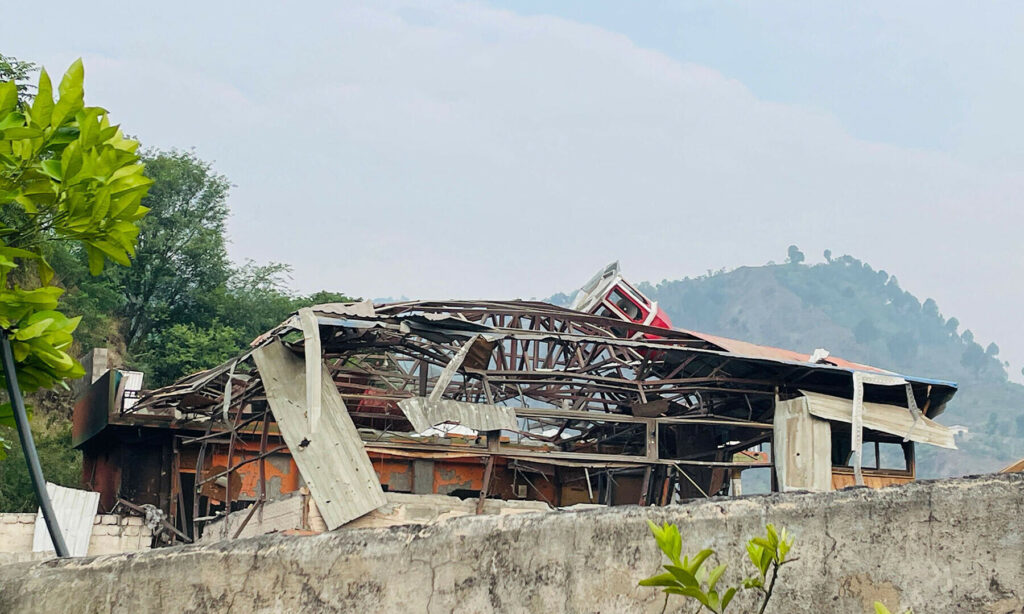
The partial removal of the Shahi Masjid in Ujjain, Madhya Pradesh, in September 2026 is described by officials as a road widening job. For many Muslims in India it reads as something larger. It asks who stands between a minority community and a decision made in a hurry, and whether that protection works when a major religious event sets the deadline.
What the record shows
Authorities say a section of the mosque falls within a planned 15 metre road ahead of the 2028 Simhastha Kumbh, a Hindu gathering that will draw vast crowds.
Crowd safety and congestion are real concerns, and no community can claim a right to block a necessary road. The mosque committee itself has said it respects the project and is cooperating.
The dispute is about process. The committee says the administration first sought to remove about 9.5 feet of the structure, and that an agreement cut this to about 3 feet.
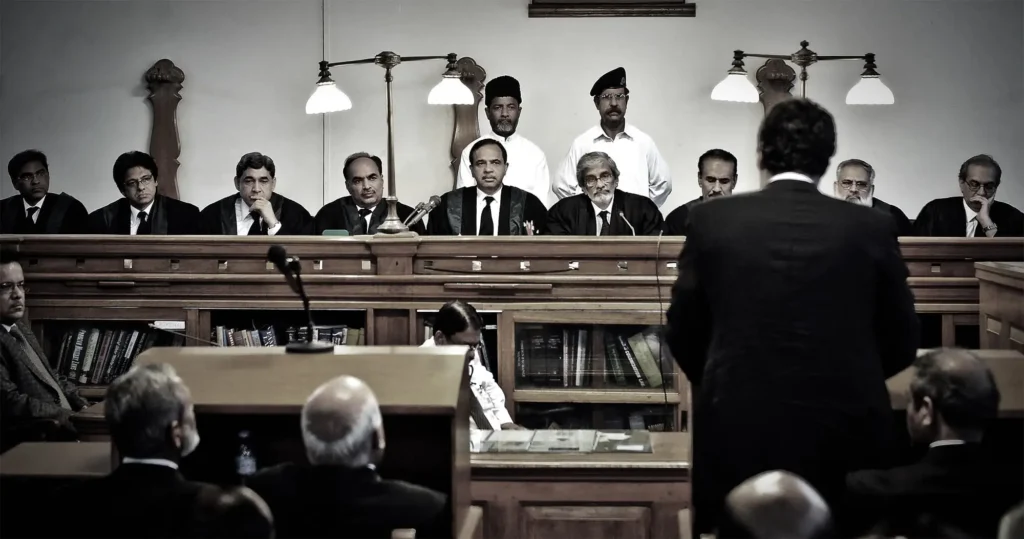
The Madhya Pradesh High Court disposed of two appeals after that agreement and ruled that the Corporation’s assurances and interim notice bind it. The community also told the court that the work would affect part of the prayer hall and a 120 foot minaret, and it raised concerns about damage to the remaining structure.
Then came the clashes. Crowds gathered overnight, stone pelting was reported, and police used tear gas. The police chief said officers acted after a group confronted them.
Both accounts deserve independent examination. Violence from any side is wrong, and a large police presence around a place of worship raises the chance of it.
Who protects Indian Muslims?
Citizens often ask this after an incident like this, and the honest answer is several institutions, each with limits.
The High Court case shows the system working in part. The community was heard, a settlement was recorded, and the Corporation was bound to its own promises.
Courts are the most reliable protector because they can order the state to act or stop. The weakness is speed. A ruling that arrives after the bulldozer has moved protects very little.
The Shahi Masjid is registered as Waqf property, which gives it a legal status that officials must respect. Registration also gives the community paperwork to cite. Documents only protect if someone checks that officials followed them.
Elected members of the assembly and Parliament, from every party, can demand answers, ask for site plans and press for compensation. A Muslim community with elected voices at the table gets better outcomes than one that depends on appeals alone.
The National Commission for Minorities and state minority commissions can inquire and recommend. Their power is advisory, so they work best when public attention backs them.
Legal aid groups, rights organizations and local reporters record what happened and keep the record public. This work also protects against rumor, which spread widely during this dispute.
The mosque committee did the most important thing in Ujjain. It negotiated, documented the agreement and went to court. Peaceful organizing, clear records and legal help protect more than anger does.
Local Hindu residents, traders and religious leaders who speak up for fair treatment often calm a situation faster than any official order.
The state and its officers are also part of this list. The administration is meant to protect every citizen, including the ones it is asking to give up land. When it does, no one else is needed.
What should happen now
Four steps would restore trust. The government should order an independent inquiry into the planning, negotiations and use of force. It should publish the notices, site plans and legal assessments, and explain why alternatives were rejected.
It should repair or compensate for any avoidable damage to the remaining structure and restore affected religious features at public cost. And it should comply in full with the High Court’s binding assurances.
The administration says temples were also removed under the same plan. That claim should be tested against facts about age, legal status, notice and alternatives. If it holds, publishing the evidence will help the state. If it does not, the public should know that too.
The larger point
A road can be built and a mosque can stay standing with dignity. The Ujjain case will be judged by whether the authorities keep the promises they made in court, whether the remaining structure is protected, and whether every community sees the same care in the next project.
Protection for Indian Muslims comes from institutions that do their job and citizens who hold them to it. This case shows both are needed.

Our Editorial Desk is the intellectual engine of Digital Debate, responsible for the rigorous research that anchors every conversation. Our team deep-dives into data, checks every source, and consults academic literature to move beyond headlines and identify the questions behind the questions.