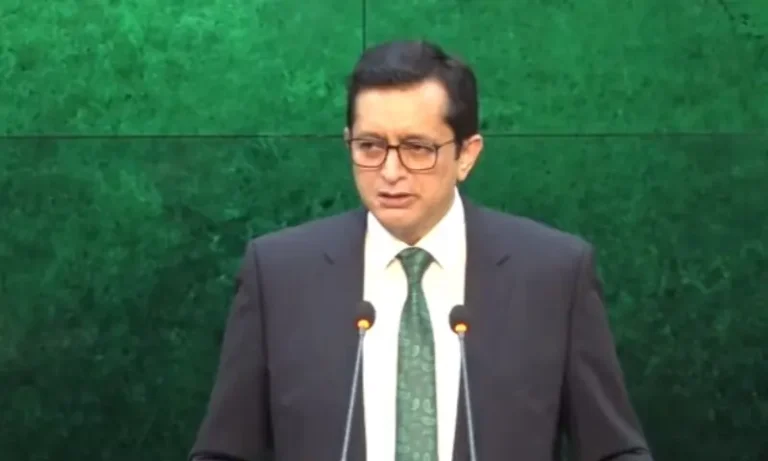
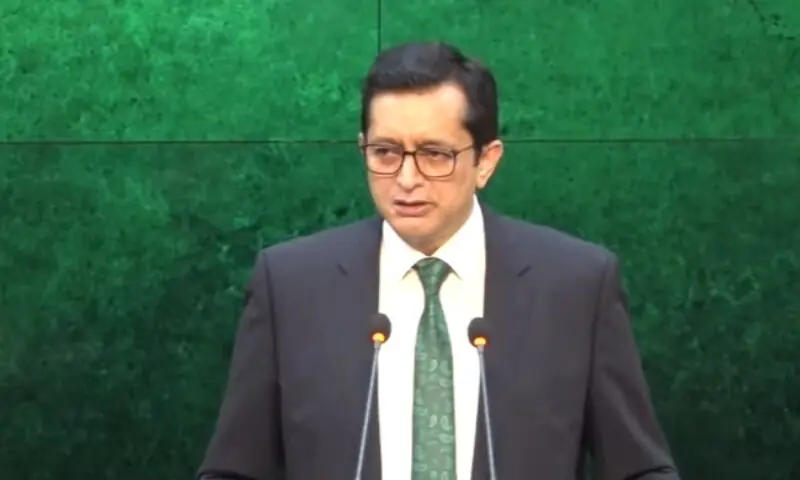
Pakistan has supported its industries for decades, and it is fair to ask what the country has received in return. Prime Minister Shehbaz Sharif put that question to exporters on Thursday in a video address at a Pakistan Stock Exchange (PSX) ceremony.
He said several sectors had received subsidies since the 1960s without a significant rise in exports. Prices went up, he said, while quality, productivity and import substitution fell short. He asked the private sector to lead export led, sustainable growth.
The question is reasonable, and both industry and policymakers owe the public a clear answer.
Support should be tied to performance
This does not mean every subsidy has failed or that industry should go without help. Incentives can help firms invest, protect jobs and compete in hard conditions. But a company that receives support should be expected to show results. That could mean higher exports, better quality, modern technology, more jobs or fewer imported inputs.
The payoff would be real. Higher exports bring in more foreign exchange, ease pressure on the rupee and reduce the need to borrow. Better productivity lowers production costs and improves how Pakistani goods compete abroad.
What the latest figures show
The economy grew by a provisional 3.7% in FY2026, up from 3.18% the year before. Exports tell a weaker story. During July to April, goods exports fell by about 6% in dollar terms to $25.2 billion, while imports rose by about 7% to $57.2 billion. Services exports, led by IT, grew by roughly 17%, which kept total exports close to last year’s level. Goods exports remain the weak spot.
The prime minister also pointed to State Bank reserves of $21.4 billion, a record high, and to stronger remittances. These are good signs.
Reserves can rise through remittances and external financing, though, so lasting strength still depends on exports, investment and productivity.
What the REIT listing shows
The listing of Naya Nazimabad Apartment REIT shows investor appetite for capital market products. Its book building drew bids of about Rs4.5 billion, roughly eight times the portion offered, and the price reached the Rs23 ceiling. The REIT began trading on the PSX on 17 September at Rs23 per unit, and Thursday’s ceremony marked the occasion.
REITs can bring more money into housing and construction, create work for allied industries and offer an alternative to informal property deals. This one is a closed end, Shariah compliant development REIT, and its returns are expected to come from selling completed properties.
So results depend on transparency, construction on schedule, sound management and real returns for investors.
What each side must do
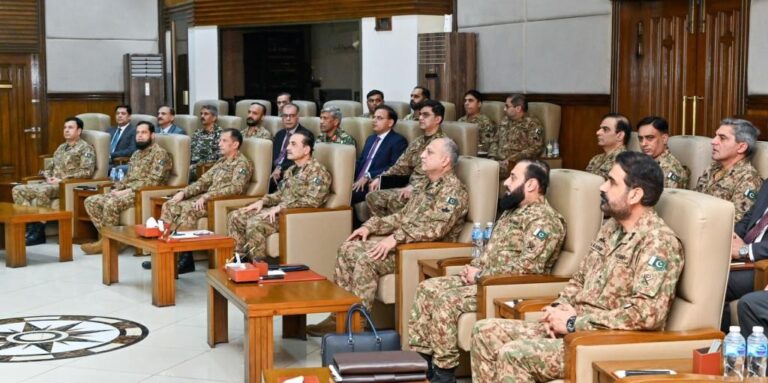
The government must provide predictable taxes, affordable energy, simpler regulation and access to finance. The private sector must invest, innovate and compete. Neither side can deliver sustainable growth alone.
Pakistan should adopt one clear rule: incentives must produce results. Support should be reviewed regularly against clear targets, and firms that succeed should be encouraged to enter new markets and move into higher value products.
The prime minister’s message is best read as an offer of a new partnership between government and industry. Pakistan has the talent, businesses and markets to grow.
The task now is to make sure public support leads to stronger exports, better jobs, higher productivity and a more stable economy

Our Editorial Desk is the intellectual engine of Digital Debate, responsible for the rigorous research that anchors every conversation. Our team deep-dives into data, checks every source, and consults academic literature to move beyond headlines and identify the questions behind the questions.