The last American troops left Iraq on Wednesday, September 30, ending a military presence that began with the 2003 invasion. Baghdad is treating the day as a national victory.
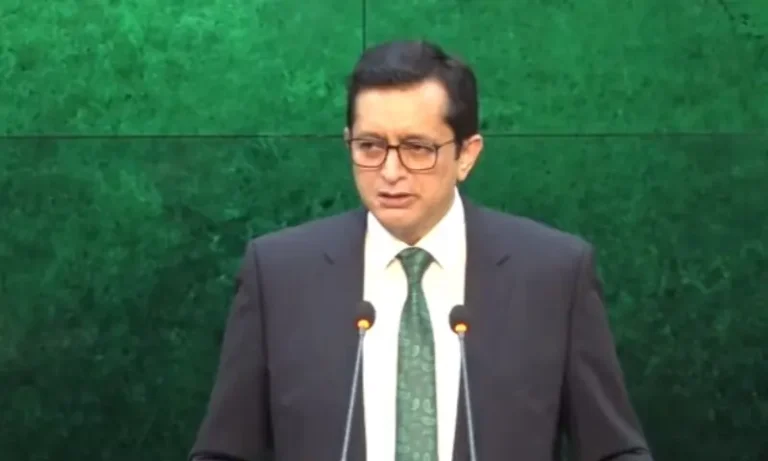
Prime Minister Ali al-Zaidi says Iraq will start October 1 free of foreign forces and in full control of its territory. The government has declared a four day holiday, from September 30 to October 3, with October 1 marked as National Sovereignty Day.
The celebration is understandable. The harder question is who gains influence now, and the most likely answer is Iran.
Consider the timing. Iran is in conflict with the US and Israel, and a ceasefire has not stopped its drones and missiles from reaching Iraq. Kurdish authorities counted 809 attacks on the Kurdistan Region between February 28 and April 20 alone, and the strikes continued afterward.
Iran backed militias have hit US linked targets inside Iraq and across its borders since the war began. They have also worked with Yemen’s Houthis to strike targets in Saudi Arabia, which has strained Baghdad’s ties with Gulf partners.
The Popular Mobilization Forces, the umbrella for many of these groups, are a large, state funded force with deep political roots. Kataib Hezbollah called the exit a historic victory and threatened to shoot down any aircraft it deems hostile over Iraq after September 30.
Whether Iran has won clear military superiority over its Arab neighbours is debatable. Its influence in Baghdad is not.
The Afghanistan comparison is tempting, but it only goes so far. When the US left in 2021, it had failed to defeat the Taliban or enforce the 2020 Doha Accord, and Afghanistan today is unstable and hosts several militant groups.
Iraq has an elected government and a prime minister who says he wants to remain an American ally. Still, the warning applies. In 2014 ISIS seized roughly a third of Iraqi territory when army divisions weakened by corruption and sectarianism collapsed.
Its territorial defeat came in 2017, yet sleeper cell attacks continue and more than a million Iraqis remain displaced. Security experts warn that a gap in coverage could let ISIS rebuild its networks.
Syria adds to the risk. Iraq and Syria have been treated as one theater against ISIS for a decade, and the 2024 agreement let coalition forces support Syria operations from Iraq through September 2026. That arrangement ends now, so Damascus must take on more of the work.
Assad fell in December 2024, and militant groups move more freely across the Levant, so some could use Iraq as a base. The Houthis remain active, and Iran, with Hezbollah badly weakened, has reason to invest more in Iraqi militias.
Why Washington and Baghdad Agreed to Part Ways
Credit for the exit date is shared. The framework dates from 2024, under the Biden administration, and the remaining troops consolidated in the Kurdistan Region at the end of 2025. An Iraqi official says the final date came mainly from al-Zaidi during his July visit to Washington.
President Trump has not moved it, which fits his wish for a smaller American footprint abroad. Baghdad wants two things at once: no foreign troops and a continued partnership with Washington.
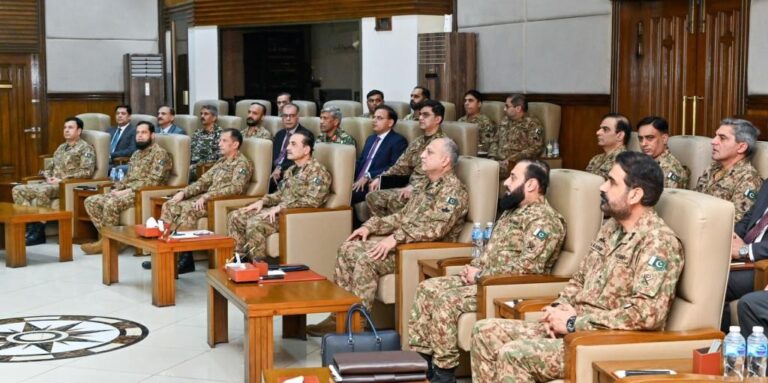
Renad Mansour of Chatham House says the political aim now is to show Iraq still wants to be a US ally, and he expects ties to shift toward economic cooperation. That reading fits the July talks between al-Zaidi and Defense Secretary Pete Hegseth, where both sides discussed commercial and defense cooperation.
Mansour also says al-Zaidi fears Washington may see Iraq and its militias as too close to Tehran while the US and Israel are at war with Iran.
Washington is pressing Baghdad to show otherwise. Iraq ordered its civil aviation authority to bar Iranian airlines from Baghdad airport from September 23, after Treasury Secretary Scott Bessent threatened secondary sanctions on airports serving Iranian carriers.
The US has also signed a deal to hand its diplomatic hub at Baghdad airport to the Iraqi government.
The American case for leaving is strong. About 4,400 US service members died in Iraq between 2003 and 2011, and roughly 120 more have died in the mission against ISIS in Iraq and Syria since 2014. Brown University’s Costs of War project put spending on the Iraq and Syria wars at about $1.79 trillion by 2023.
A commitment on that scale deserves a hard look. Atlantic Council analysts also note that the exit removes one option for Iran, which is letting Iraqi militias fire at US troops in peacetime.
But ending a garrison does not end the cost of instability, and renewed US and Iran attacks could still derail the transition.
Washington’s best role now is training, diplomacy and trade, not pushing the region into rival military blocs.
What Iraq Must Do Before June 2027
The real test belongs to Iraq. Al-Zaidi told President Trump in July that he would have the militias disarmed by September 30. He now says he needs until June 2027, and an Iraqi official says the groups had no intention of giving up their weapons by the original date.
Analysts doubt even the new date, given the militias’ size, political weight and outside backing. Al-Zaidi says the US and the Iran aligned militias have both promised not to attack for 90 days, which runs to about the end of December. Ninety days is a short pause. If it holds, June 2027 becomes the deadline that matters.
Sovereignty will also stay incomplete for now. Turkey agreed last week to hand over its Bashiqa base gradually, yet it keeps other bases in northern Iraq for operations against the PKK. The Kurdish north is the most exposed region.
After hundreds of drone and missile attacks, its worry about less protection from both ISIS and Iran aligned groups is easy to understand. Baghdad and Erbil also see the departure differently, and Kurdish unity now matters more.
Three things will show whether Iraq passes. First, whether the 90 day pledge holds. Second, whether militia disarmament shows real progress before June 2027. Third, whether Washington stays engaged through trade and diplomacy after the troops are gone.
The withdrawal ends a mission. It also begins a test of Iraq’s sovereignty, Iran’s regional plans and America’s role in a Middle East shaped more by local powers and armed groups than by distant superpowers.

Our Editorial Desk is the intellectual engine of Digital Debate, responsible for the rigorous research that anchors every conversation. Our team deep-dives into data, checks every source, and consults academic literature to move beyond headlines and identify the questions behind the questions.