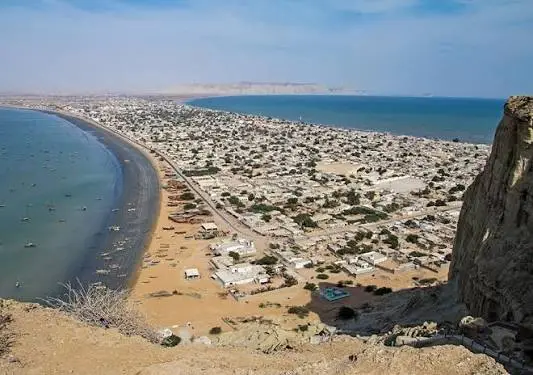
The Houthis now control Mokha and Perim Island, and are reported to have taken Zuqar Island as well, moves that would give them effective control of much of the Bab al-Mandeb corridor. That’s a significant territorial gain on its own. The strait narrows to about 12.5 miles at its tightest point, shipping lanes run within a few miles of Perim Island, well inside range of Houthi missiles and drones, and roughly 12 percent of the world’s traded goods pass through it. But the more important story this week isn’t what the Houthis took. It’s what everyone else did, or refused to do, in response. Watch the choices Saudi Arabia, the US, and Pakistan are making right now, and you learn more about the region’s actual alliances than any pact or press release could tell you.
Riyadh Is Picking Its Fights
Start with Riyadh. Saudi Arabia is under direct attack on two fronts at once: drones from Iraq hit its East-West pipeline, and Houthi strikes on Khamis Mushait, Abha, Jazan, and Najran injured at least 73 civilians. The pipeline matters more than it used to. With Iran having effectively closed the Strait of Hormuz, Saudi oil exports through the Red Sea route at the pipeline’s end have more than doubled since the US and Israel struck Iran in late February, according to the International Energy Agency. That’s exactly the kind of infrastructure a government would normally hit back hard to defend.
Saudi Arabia isn’t doing that toward Iraq. It’s holding off entirely, at Baghdad’s request, while hitting Houthi-held provinces hard instead. And Iraq is following through on its side of that bargain: its prime minister ordered an investigation into the military command in Maysan province and fired its commander once officials confirmed the attacks originated there. That’s not weakness on Saudi Arabia’s part. It’s Riyadh deciding which fights are worth having right now, and getting a real concession from Baghdad in return for patience.
Then there’s Washington. Crown Prince Mohammed bin Salman called Trump twice asking for US air strikes on the Houthis. Twice, he was told no. What he got instead was intelligence support and a CENTCOM commander flying to Riyadh in person. That’s a real signal, and it’s worth reading correctly: the US-Saudi relationship is close enough that Washington sends its top regional commander on short notice, but not close enough that a direct request for military force gets an automatic yes. Anyone treating this alliance as unconditional should look at that gap.
Behind all of it sits Iran. Two Iranian sources have told Reuters that Tehran instructed the Houthis to escalate against Saudi Arabia, promised them extra funding and weapons for doing so, and sent senior Revolutionary Guard officers to help direct the operation. That context changes how this whole episode should be read. This isn’t just a Yemeni civil war reigniting on its own. It’s Iran using a proxy to apply pressure on a US ally while it’s boxed in by its own conflict with Washington, and squeezing Saudi Arabia is a lower-cost way to do that than acting directly.
Pakistan’s Mixed Signals
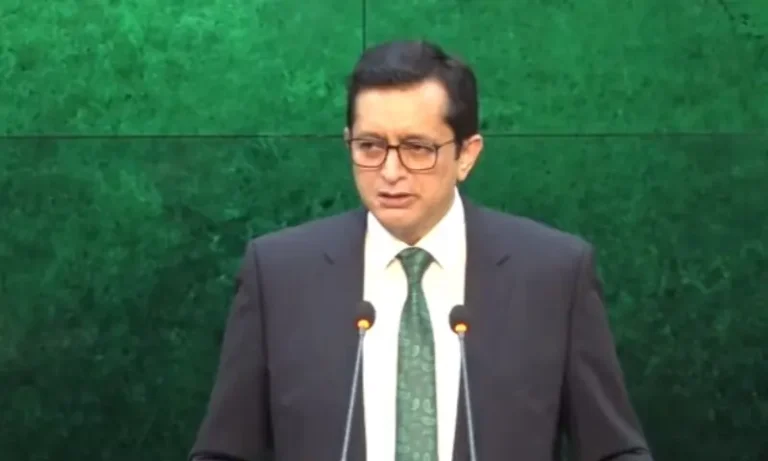
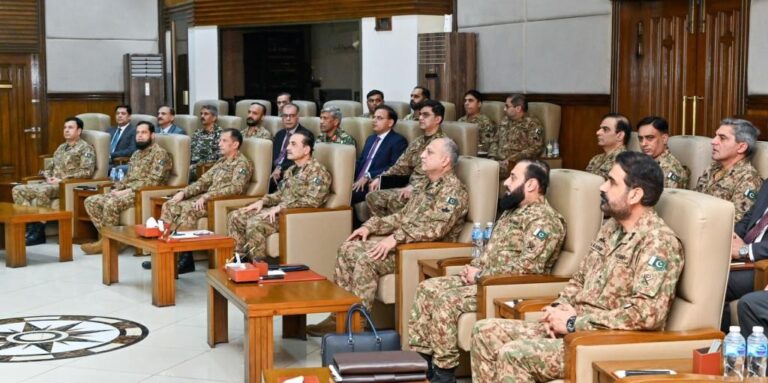
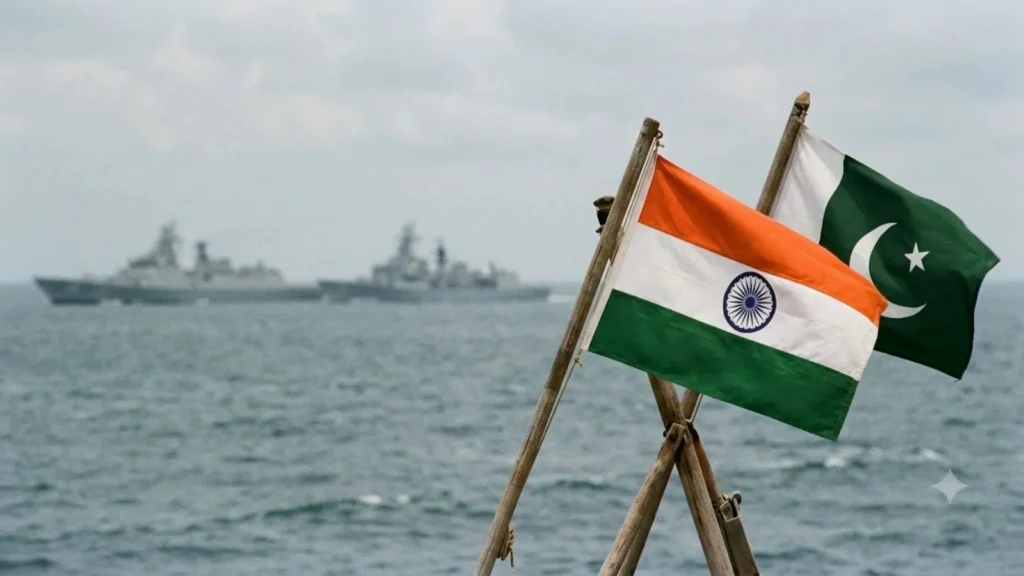
Pakistan is the most complicated case, and also the most revealing. Its defense minister said the Mecca pact with Saudi Arabia and Türkiye could be triggered by the Houthi attacks. That’s not a small statement. The pact treats an attack on any signatory as an attack on all three, which means triggering it would, in effect, extend Pakistan’s nuclear deterrent to Saudi Arabia and pull NATO’s second-largest military into a war it has shown no appetite for. Within about a day, Pakistan’s foreign ministry stepped in and said no military response is currently on the table. That’s not the defense minister backing down. It’s two arms of the same government sending different signals about how far Islamabad is actually willing to go, and it tells you the pact is far less settled than it looked when it was signed.
Here’s what ties all three responses together: everyone is choosing caution over commitment. Saudi Arabia is picking its battles. The US is helping without fighting. Pakistan is talking big and then quietly closing the door. None of that is surprising given what’s actually at stake, a wider regional war none of these governments wants. But it does mean the coalition backing Yemen’s government is weaker in practice than its public statements suggest, and the Houthis clearly understand that.
The Houthis, for their part, want exactly one thing: to be seen as the power that decides what happens in the Red Sea. Their military spokesperson said this week that shipping remains safe for every company except Saudi-linked vessels, a deliberately narrow threat rather than a blanket blockade. That’s the point. A group that shut down all Red Sea traffic would unite the world against it. One that targets a single country while claiming to protect everyone else gets to look selective and rational instead of reckless, even while sitting on top of one of the world’s most important trade routes. Controlling the strait, threatening Saudi oil infrastructure, and framing Saudi strikes on a Jawf prison, where the death toll climbed from an initial 7 to at least 23, as proof of Saudi aggression all serve that same goal. Every civilian casualty on either side hands them another argument, whether or not the strategic reality matches the propaganda.
None of this is happening in a vacuum, either. This same weekend, Iran and Saudi Arabia have senior leaders and foreign ministers sitting at the same table for the BRICS summit in New Delhi, both full members of the bloc since 2024, alongside Russia, China, and India. The official agenda is trade, technology, and cutting reliance on Western-led finance. At the same time, a force backed by one member is seizing territory from a coalition backed by another, a few hundred miles from waters the same bloc depends on for its own exports. That contradiction speaks for itself: a bloc built around economic cooperation doesn’t automatically produce political cooperation, and Yemen shows exactly how wide that gap can get.
What happens from here comes down to whether any of these actors change their calculation. If a Houthi strike causes mass casualties or takes out critical infrastructure, Washington’s two rejections could become one approval. If Pakistan and Türkiye get pressed to actually define what the Mecca pact requires of them, the alliance either proves it has teeth or confirms it doesn’t. And if attacks from Iraqi territory continue, Saudi Arabia’s current restraint toward Baghdad won’t last. None of these outcomes are guaranteed, but each one is more likely right now than a clean, quiet resolution. The strait may already have changed hands, but the more important question, whether this coalition holds together under pressure, is still wide open.

Our Editorial Desk is the intellectual engine of Digital Debate, responsible for the rigorous research that anchors every conversation. Our team deep-dives into data, checks every source, and consults academic literature to move beyond headlines and identify the questions behind the questions.