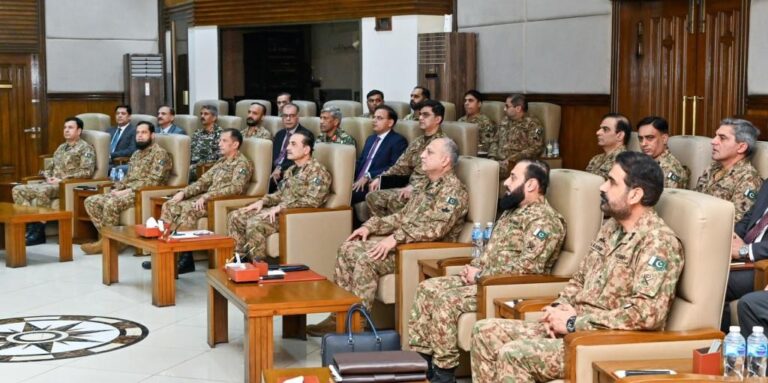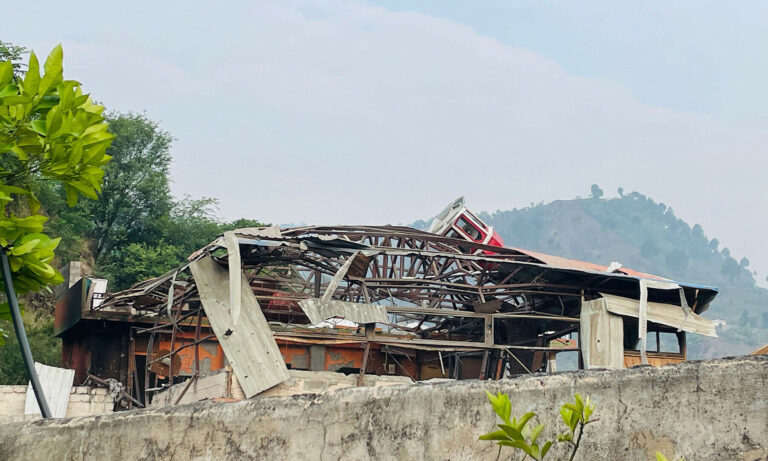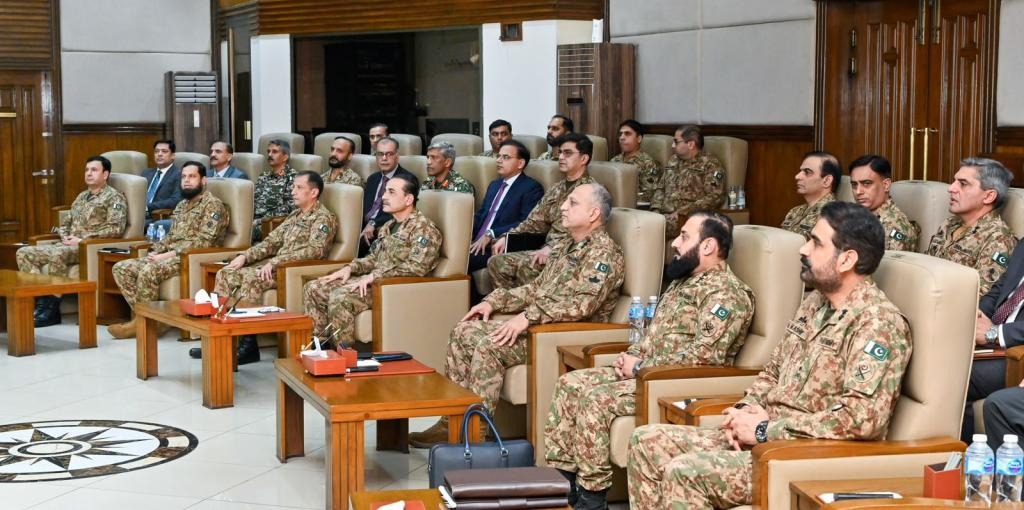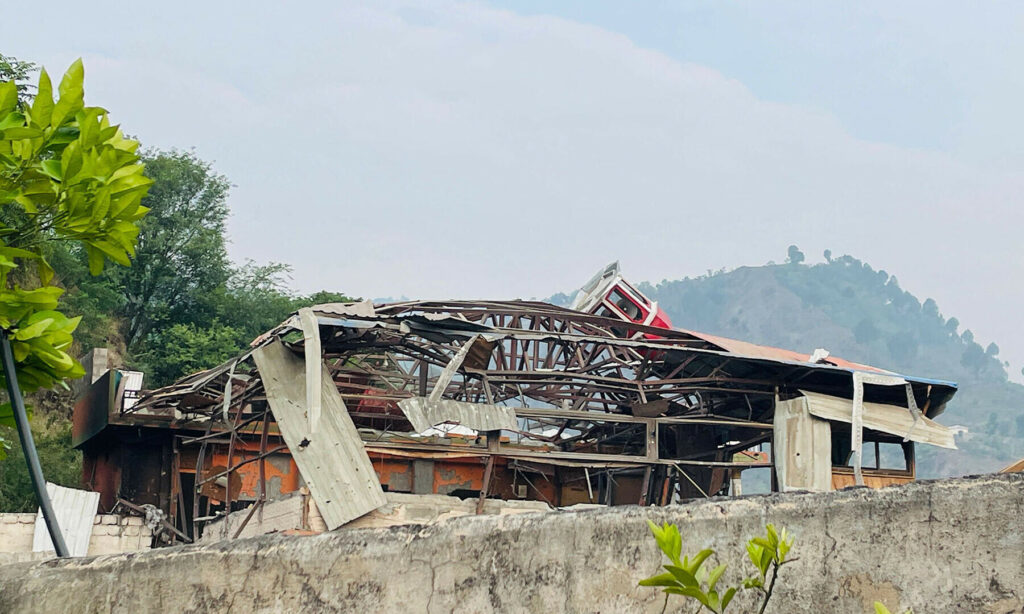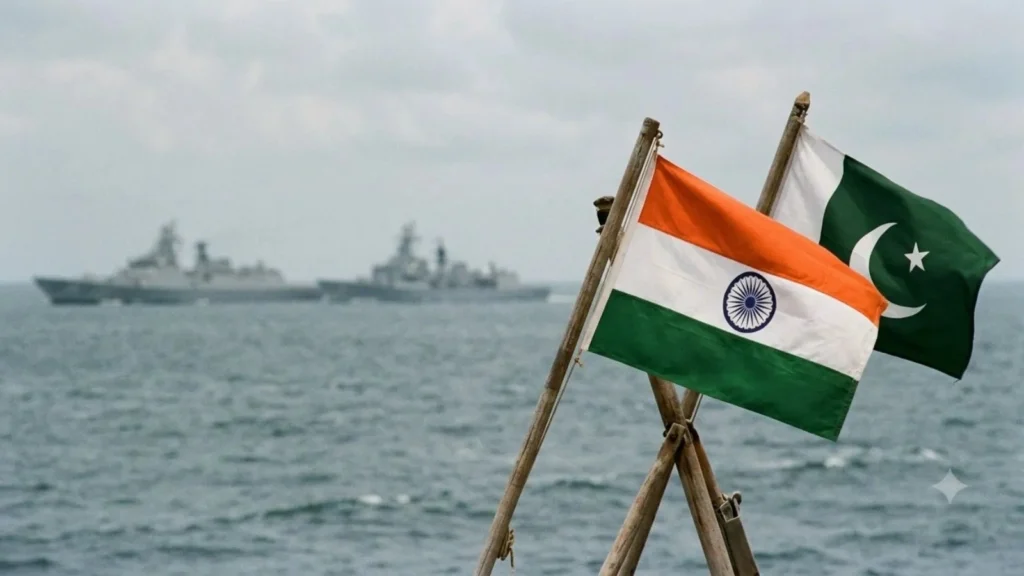
On the 6th of September, Pakistan marks Defence Day. It is a day set aside for one war, fought in 1965, over seventeen days that changed how this country sees itself. Every year the tanks come out in parades and the songs play on television, but it is worth going back to what actually happened, and why it still matters.
The war did not start on the 6th. It had been building for weeks, with skirmishes over Kashmir and a covert operation meant to stir up resistance there. India’s answer was not limited to Kashmir. On the morning of September 6th, Indian forces crossed the international border and pushed toward Lahore, expecting the city to fall within days. That did not happen.
What followed was some of the most intense fighting Pakistan had ever seen. At the Bhaini Dograwal and Burki sectors near Lahore, small units held their ground against much larger numbers. The Lahore front became a symbol on its own, because a city many thought was undefended turned out to be the hardest place for the Indian army to move forward.
Further north, near Sialkot, one of the largest tank battles fought anywhere since the Second World War took place at Chawinda. Pakistani armored units, though outnumbered, managed to stop the Indian advance and hold the line for days. Soldiers who were there later said the fields around Chawinda were littered with destroyed tanks by the time the fighting slowed down.
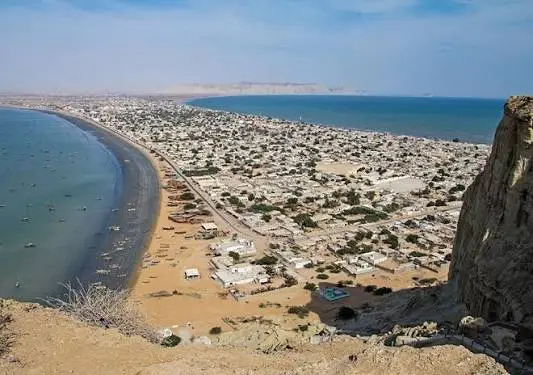
In the air, the Pakistan Air Force flew far fewer aircraft than its opponent but still managed to hold its own, and in several engagements came out ahead. On the sea, the Pakistan Navy carried out Operation Dwarka, a night raid on an Indian coastal town that was as much about morale as it was about military gain. It told people back home that Pakistan could take the fight to the enemy, not just defend its own soil.
None of this came without a cost, and it is worth saying the names, not just the numbers. Major Raja Aziz Bhatti held his position on the BRB Canal at Burki for five days and nights under constant tank and artillery fire, refusing to fall back, until he was killed on the 12th of September. He was later awarded the Nishan-e-Haider, Pakistan’s highest military honour, and his name is still the one most Pakistanis think of first when they hear the words Defence Day. In the air, Squadron Leader Sarfaraz Rafiqui led his formation into one of the war’s toughest air battles and was shot down while covering his fellow pilots as they withdrew. He too did not come home. Behind these two well-known names were hundreds of other soldiers, airmen and sailors whose stories were never written down, ordinary men who simply did not leave their posts when it would have been easier to. Defence Day belongs to them as much as it belongs to any general or any tank.
Not every story from that September ends in martyrdom, and one of them is still talked about for its sheer skill. On the 7th of September, over the skies of Sargodha, Squadron Leader Muhammad Mahmood Alam, flying an F-86 Sabre, ran into a formation of Indian Hunter jets and did something no pilot had done before or has done since. In under a minute, he shot down five of them, four of them in the first thirty seconds alone. Pakistan credits him with nine aircraft destroyed across the war, and the one-minute engagement is still cited as a world record in air combat. He was later awarded the Sitara-e-Jurat, one of the country’s top military honours, twice over. For a country that went into the war with far fewer planes than its opponent, that one engagement became proof that numbers alone do not decide a fight.
None of this was only a soldier’s war. Civilians in border towns packed their belongings and left their homes not knowing if they would return. Others stayed and cooked food for passing troops or carried supplies to the front on their own. Radio became the main source of information for most households, since television barely existed and many villages had no electricity at night. Families gathered around a single radio set to hear the latest update, and patriotic songs written during those very weeks, sung to keep spirits up while nobody yet knew how the war would end.
The war stopped on the 23rd of September under a United Nations-brokered ceasefire, and the two countries later signed the Tashkent Declaration to settle terms. Neither side gained much territory in the end. But for Pakistan, the outcome was read differently. A country roughly a third the size of its neighbor, with a smaller army and air force, had stopped a larger power from taking Lahore and had fought it to a standstill everywhere else. That is what became the story people told afterward, and it is largely what Defence Day still celebrates.
Sixty years later, most of the men and women who lived through those seventeen days are gone or growing old. What is left is the memory of a country that felt, for a short and difficult stretch of time, completely united behind its soldiers. That feeling, more than any battle map, is probably the real thing worth remembering on the 6th of September.
Read more: https://digdebate.com/un-resolution-assistive-technology/

Our Editorial Desk is the intellectual engine of Digital Debate, responsible for the rigorous research that anchors every conversation. Our team deep-dives into data, checks every source, and consults academic literature to move beyond headlines and identify the questions behind the questions.