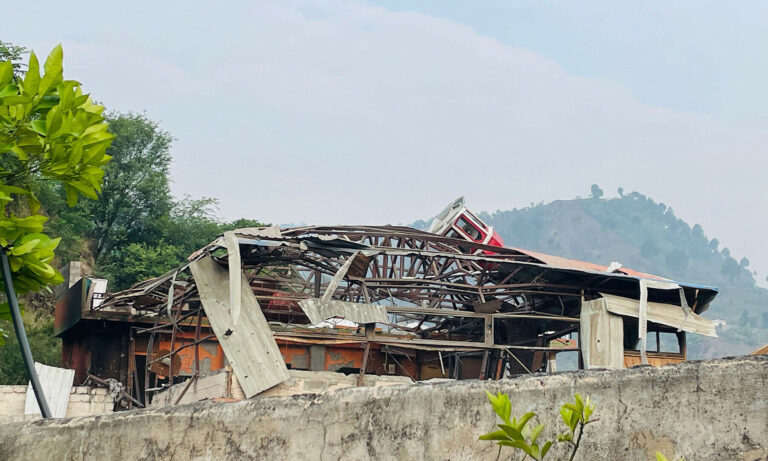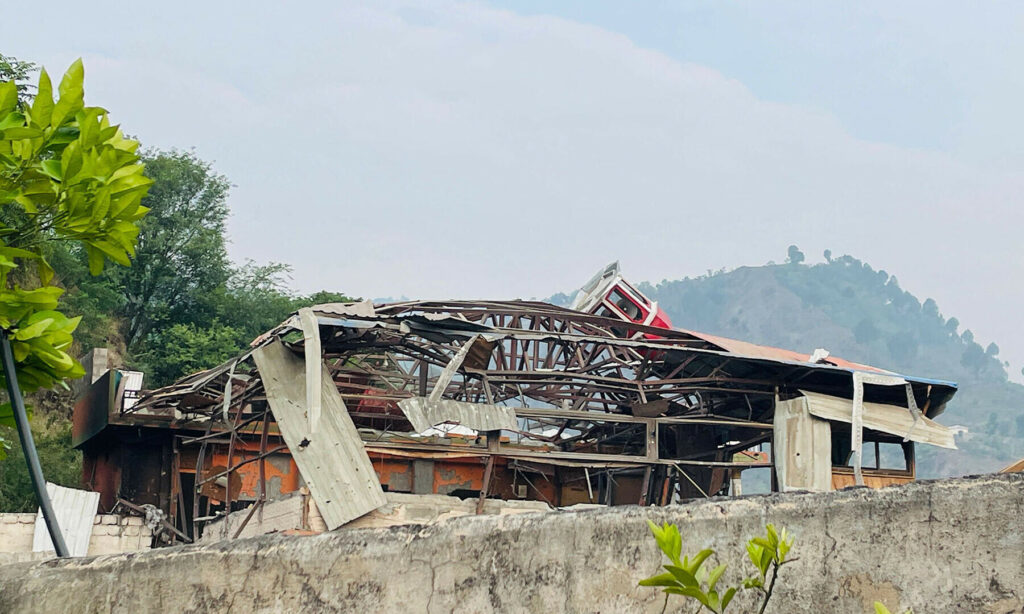
On August 26, 2026, a flood tore through the Bhote Koshi and Trishuli valleys on the Nepal-Tibet border. A mass of ice and rock broke off a mountainside and came down with terrible force. Within days, more than 900 people were dead. Whole villages were wiped out. A border crossing that once carried a third of Nepal’s trade with China was gone. Nepal’s foreign minister said his country was paying for a crisis it did not cause. He is right. And Pakistan should be paying close attention, because this is not just Nepal’s story. It could easily be ours.
Pakistan has more glaciers than any country outside the polar regions. Thousands of them sit in Gilgit-Baltistan and Khyber Pakhtunkhwa, feeding the rivers that the whole country depends on. That used to be seen as a blessing. Now it is a growing danger. Almost every few months, our disaster management authorities put out the same kind of warning: temperatures are rising, glaciers are melting faster, and the risk of glacial lake floods is going up in Chitral, Kohistan, Swat, Dir, and the valleys around Hunza. The floods of 2022, which put a third of the country underwater, were not a one-time disaster. They were a warning of what is becoming normal.
What happened in Nepal was set off differently, by a glacier collapse rather than monsoon rain, but the cause underneath it is the same one scientists have been talking about for years. The ground and ice in these mountains are thawing. Slopes and lakes that stayed stable for generations are becoming unstable. The whole Himalayan and Karakoram region is heating up faster than the rest of the world. Pakistan and Nepal do not just share a mountain range. They share the same fate if nothing changes.
The most important thing about the Nepal disaster is not just how many people died. It is why the warning system failed. Nepal and China had spent years building a flood warning system, and it had saved lives before. But it was built to catch monsoon floods and regular river floods, not a sudden glacier collapse in a stretch of border land that experts had barely paid attention to. One expert later called it a blind spot. The monitoring stations that might have caught the danger in time were themselves swept away before they could send out a warning.
This is the part Pakistan cannot afford to ignore. Our own disaster response has improved a lot since 2010, but it is still mostly built around monsoon floods, not sudden glacier events. We do have some monitoring in the north, but it is thin and depends on occasional alerts rather than constant watching, especially in areas that are remote and hard to reach in the first place. We have thousands of glacial lakes, and we do not have enough eyes watching all of them. That gap, between knowing floods are becoming more common and actually being able to see one coming in time, is the same gap that cost Nepal hundreds of lives.
There are a few clear lessons here. Glacier monitoring needs to be treated as permanent, serious infrastructure, not just a warning sent out when the weather gets hot. We also cannot assume that the danger map from a few years ago still holds. Nepal’s disaster happened in a place nobody was watching closely, and Pakistan’s glaciers are changing fast enough that today’s risk assessment could already be out of date tomorrow. Warning systems also need backup ways of reaching people, because in Nepal, the stations meant to send the alert were destroyed before they could do their job. Local wardens, sirens, and other simple backup methods matter just as much as expensive sensors. And because these glaciers and rivers cross borders, Pakistan should also be working with neighbouring countries on sharing data and building joint warning systems, since a flood forming in one country’s mountains rarely stays inside its own map.
Pakistan spends a lot of time thinking seriously about threats along its borders. Climate change deserves that same level of seriousness, because it is already crossing into the country from the north, through every river that starts in those glaciers. Nepal did not lack people who understood the danger. What it lacked was the kind of close, specific watching that turns knowledge into a warning that actually reaches people in time. Pakistan needs to make sure it is not caught the same way.
Read more: https://digdebate.com/un-resolution-assistive-technology/

Our Editorial Desk is the intellectual engine of Digital Debate, responsible for the rigorous research that anchors every conversation. Our team deep-dives into data, checks every source, and consults academic literature to move beyond headlines and identify the questions behind the questions.