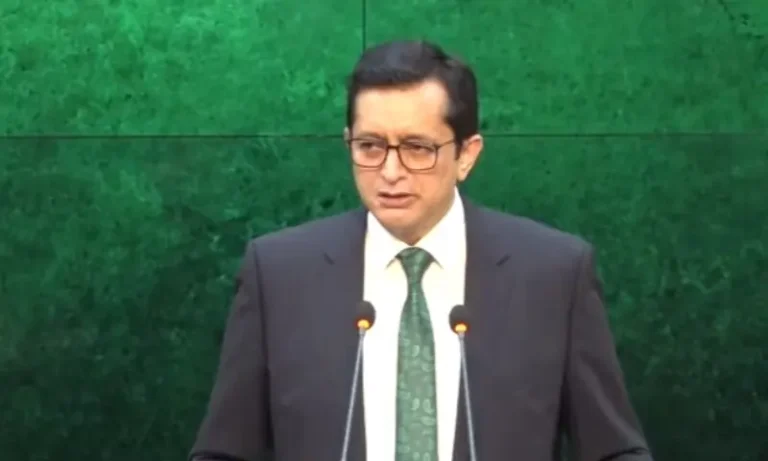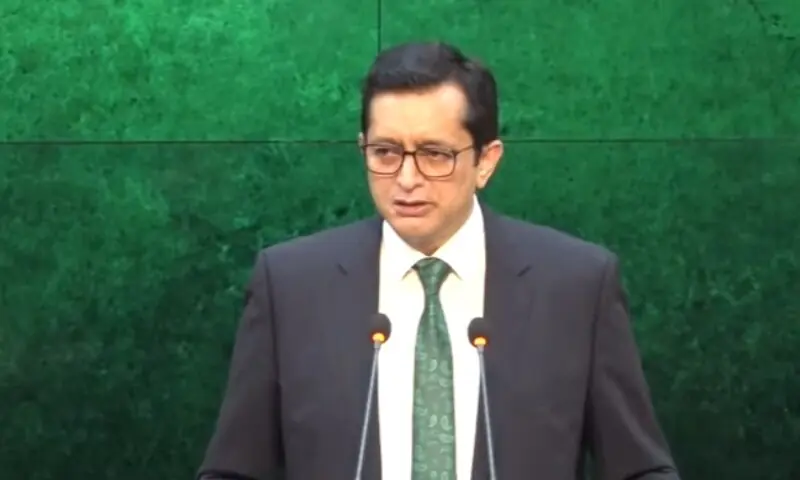
Behind every landmark resolution is a name that rarely makes the headline. This time, it should. Counsellor Saima Saleem, Pakistan’s first visually impaired career diplomat, drafted the text that became the UN General Assembly’s first resolution on Access to Assistive Technology. She didn’t need briefings to understand the barriers people with disabilities face. She has lived them every working day, relying on the same kind of tools this resolution now asks the world to make available to everyone who needs them. That’s what makes this more than a diplomatic achievement. It’s a personal one, carried onto the largest stage in international policy.
The path that got her into the room
In 2007, Saleem became the first visually impaired candidate to pass Pakistan’s Central Superior Services exam, the notoriously difficult test that decides who enters the country’s civil service. She placed sixth nationwide, out of thousands of candidates, and became Pakistan’s first blind civil servant. That single result forced a system built around one idea of who belongs in government to make room for her.
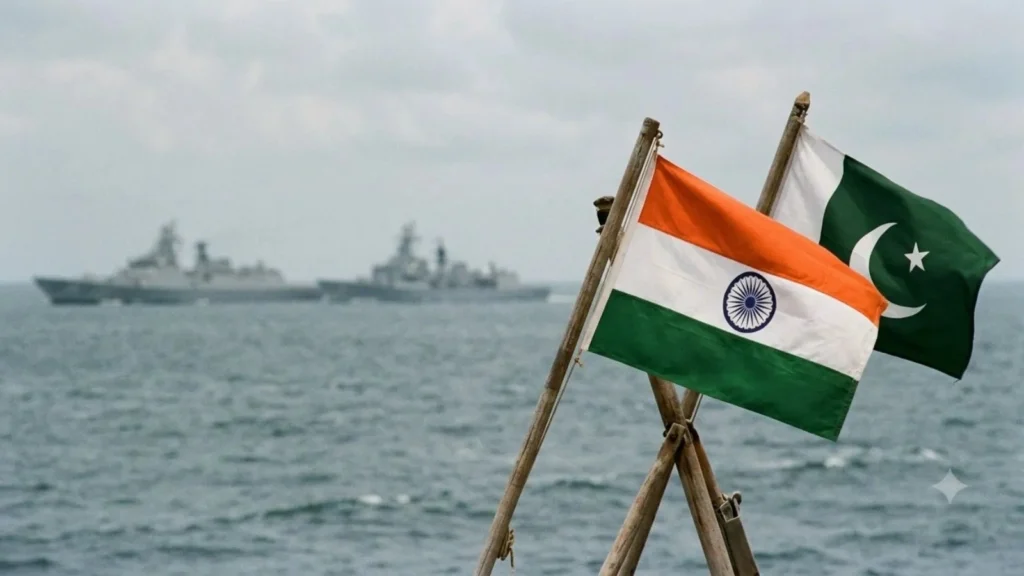
Fourteen years later, in September 2021, she became the first blind Pakistani diplomat to address the UN General Assembly, delivering Pakistan’s right of reply to India on Kashmir, reading her speech from Braille in front of the full Assembly hall. It was proof that a disability doesn’t shrink a diplomat’s voice on the world’s biggest stage.
Those two moments explain why this resolution reads the way it does. The woman who broke into the room in 2007 and commanded it in 2021 is the same one who spent this year writing the rules that decide whether the next person like her gets a screen reader, a wheelchair, or a hearing aid without a fight.
A diplomat who builds policy from experience
Turning a broad idea like “access to assistive technology” into treaty language that 193 member states can agree on takes more than good intentions. It takes command of UN procedure, the patience to negotiate line by line with delegations holding different priorities, and the judgment to know which provisions matter enough to defend and which can bend without losing the resolution’s core.
What sets her work apart isn’t just the technical skill, though the skill is real. It’s that she wrote a resolution about access to technology using the very technology the resolution seeks to expand. A screen reader wasn’t a talking point in her speeches. It was part of how she did the job. That kind of direct, lived understanding rarely enters a drafting room, and it shows in the specificity of the final text, in its emphasis on humanitarian settings and its insistence on including the voices of people who actually use these tools.
From one delegate’s persistence to a unanimous vote
Consensus at the UN General Assembly isn’t handed out easily. Getting every member state to agree on a single text means resolving disagreements that could have stalled the resolution or watered it down. That the Assembly adopted this text without objection reflects the strength of the drafting and the credibility of the person leading the negotiations. Delegates don’t build that kind of trust overnight. They build it through preparation, patience in the room, and a track record that tells other countries their concerns will be heard.
The result places disability inclusion inside the UN’s core development framework instead of treating it as a side issue. That shift, tying assistive technology to education, employment, health, and humanitarian response, will shape how governments plan and budget for years. Saleem’s negotiating work made that shift possible.
What this moment means for Pakistan
Pakistan has built a genuine record on this issue, from the 2018 World Health Assembly resolution to this year’s General Assembly text. But a country’s diplomatic reputation is built by the people who do the work, and Saleem’s role here gives Pakistan something more valuable than a policy win. It gives the country a diplomat whose personal story and professional record now stand as proof that inclusion isn’t a favor states extend to people with disabilities. It’s a capacity that people with disabilities bring to the table themselves, often better than anyone else could.
That distinction matters far beyond this one resolution. It sets a precedent for how future international texts on disability, accessibility, and human rights get written, and by whom.
A legacy written into international law
Saima Saleem didn’t simply advocate for a cause. She sat in the room, wrote the language, and carried it through to a unanimous vote. The resolution she shaped now commits UN member states to build national strategies and priority lists for assistive products, invest in research and data on disability needs, strengthen procurement systems so devices reach people at lower cost, and treat access to assistive technology as a standing part of humanitarian response in conflicts and disasters. It also calls for stronger international financing and technical cooperation, particularly for countries that lack the infrastructure to meet this need on their own. Every one of those provisions carries her hand in it.
Her work stands as a clear answer to anyone who still treats disability inclusion as symbolic rather than substantive: put the right person in the room, give them the mandate, and see what gets built. That’s not a small lesson for international diplomacy. It’s the kind of example that changes how the next generation of policymakers, disabled and non-disabled alike, thinks about who belongs at the table where global decisions get made.

Our Editorial Desk is the intellectual engine of Digital Debate, responsible for the rigorous research that anchors every conversation. Our team deep-dives into data, checks every source, and consults academic literature to move beyond headlines and identify the questions behind the questions.