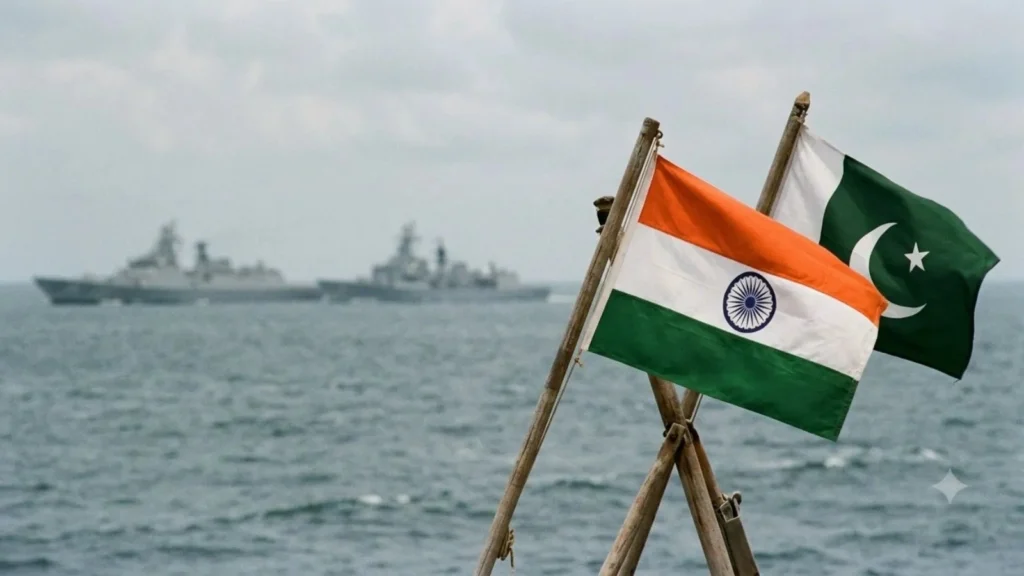
For over sixty years, the Indus Waters Treaty survived three wars, a nuclear standoff, and decades of mutual suspicion between Pakistan and India. It was, by most accounts, one of the rare success stories of international diplomacy in South Asia, a treaty that kept flowing even when everything else between the two countries froze.
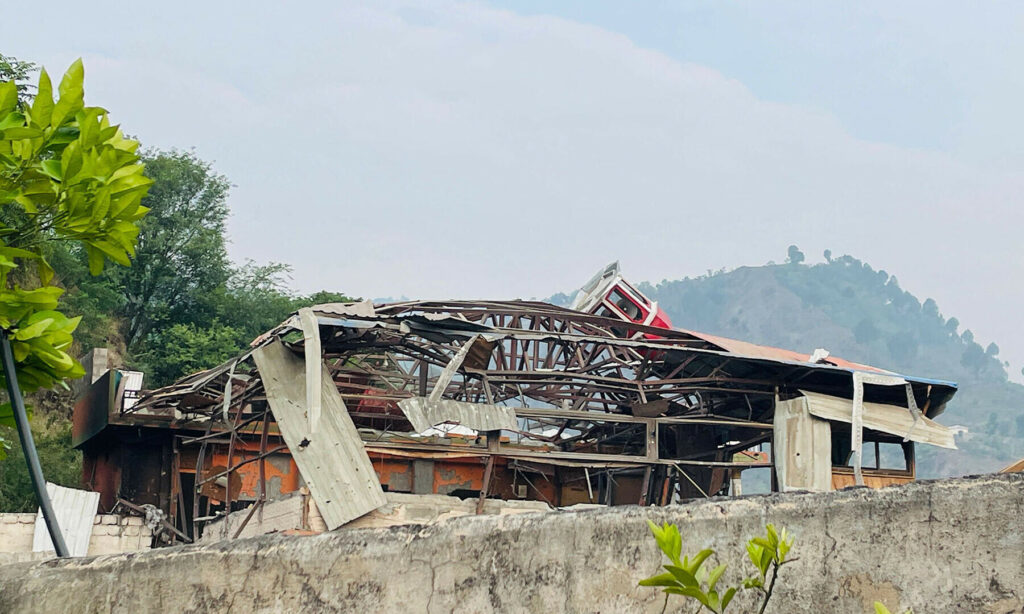
That changed in April 2025, when India announced it was putting the treaty “in abeyance” following the Pahalgam attack in Indian-administered Kashmir. There was no hearing, no negotiation, no mechanism under the treaty itself was invoked, just a unilateral declaration that eight decades of water-sharing arrangements no longer applied.
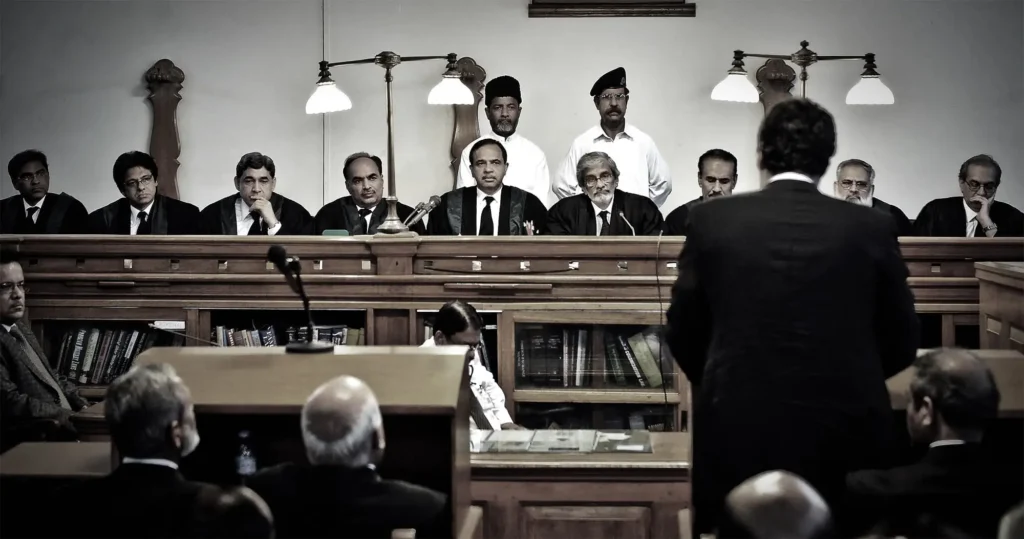
On 31 August 2026, the Permanent Court of Arbitration in The Hague delivered its answer. And it was unambiguous.
In a unanimous ruling, a five-member bench, jurists from the United States, Belgium, Jordan, and Australia, found that none of the grounds India cited could justify suspending or terminating the treaty. The Indus Waters Treaty, the Court said plainly, remains fully in force. India must continue to observe its obligations, including on how it designs and operates hydro-electric projects on the western rivers that flow into Pakistan.
Alongside this, the Court also ordered interim measures on the Ratle Hydro-Electric Plant, barring India from raising the dam wall and power intake structure above set levels until 90 days after a neutral exper, appointed under the World Bank process, rules on whether the project’s design even complies with the treaty. That verdict is expected by July 2027.
This is not a small procedural note. It is a court telling a state, in the clearest possible terms, that it cannot simply walk away from a binding international agreement because it finds it politically convenient to do so.
What should worry observers far beyond Pakistan is how India responded. Rather than engaging with the ruling, India rejected it outright, declaring that the Court has “no jurisdiction whatsoever” over its “sovereign decisions” and that the verdict “will have no effect” on its actions going forward.
This is not the first time. India has a well-worn habit of accepting international legal mechanisms only when the outcomes suit it, and dismissing them the moment they don’t. The Indus Waters Treaty was never meant to be optional. It has a built-in dispute-resolution architecture precisely so that neither side could act as judge in its own case. India signing onto that architecture in 1960, then ignoring its verdict in 2026, tells you everything about how selectively it treats the rule of law when its own conduct is under scrutiny.
Water is not a bargaining chip. It is the lifeline for roughly 80% of Pakistan’s farmland and tens of millions of people downstream. Turning it into a tool of coercion, especially in response to an attack Pakistan had no proven role in, was never a legal position. It was a political one, dressed up in legal language. The Court saw through that.
For Pakistan, this ruling is vindication, but it should not be treated as the end of the story. A ruling from The Hague is only as strong as the willingness of the parties to respect it, and India has already signalled it won’t. That puts the burden back on the international community: the World Bank, which brokered the original treaty, and the wider world, watching to see if rules-based order still means anything when a powerful state decides they’re inconvenient.
If India can openly declare a court “has no jurisdiction” over it and simply move on, the lesson other states will draw is obvious, international law is only binding on those who choose to be bound by it. That is not a precedent anyone genuinely committed to a rules-based world should be comfortable with.
The Court has ruled. The treaty stands. The real test now is whether that ruling means anything at all.
Read more:https://digdebate.com/water-wars-the-legal-battle-over-the-indus-treaty/

Our Editorial Desk is the intellectual engine of Digital Debate, responsible for the rigorous research that anchors every conversation. Our team deep-dives into data, checks every source, and consults academic literature to move beyond headlines and identify the questions behind the questions.