Twenty-five years ago, the Shanghai Cooperation Organisation was founded to settle border disputes among China, Russia and the Central Asian states. Today it has grown into something far more consequential, a table where Xi Jinping, Vladimir Putin, Narendra Modi, Shehbaz Sharif and leaders from across Eurasia sit together as equals, building a platform that speaks for a large share of the world’s population and economy. That is the real significance of the Bishkek summit. Not merely the communiqué, or the photographs, but the fact that this table exists at all, and that Pakistan has a permanent chair at it.
For Pakistan, this summit carries particular weight. Once the Bishkek meeting concludes, Islamabad assumes the SCO chairmanship for the coming year and will host the 2027 summit itself. That is a considerable honour and a meaningful platform, a chance for Pakistan to present itself to the region not simply as a participant in regional diplomacy, but as a convener of it. It reflects the trust member states place in Pakistan’s ability to steward the organisation through its next chapter, and it gives Islamabad a genuine opportunity to shape the agenda on its own terms.
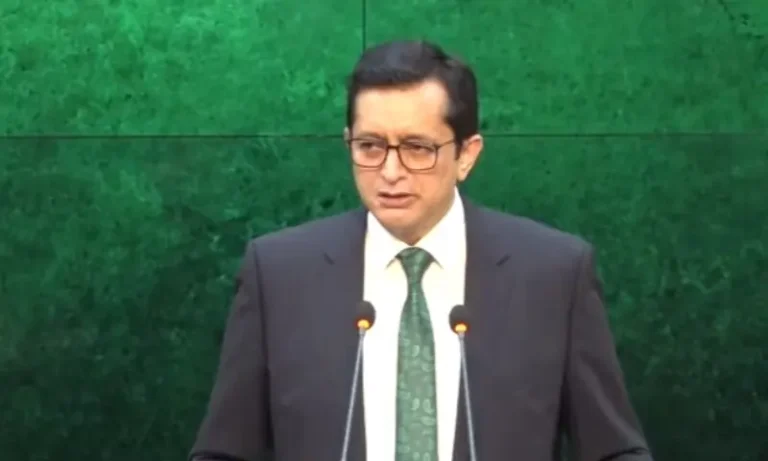
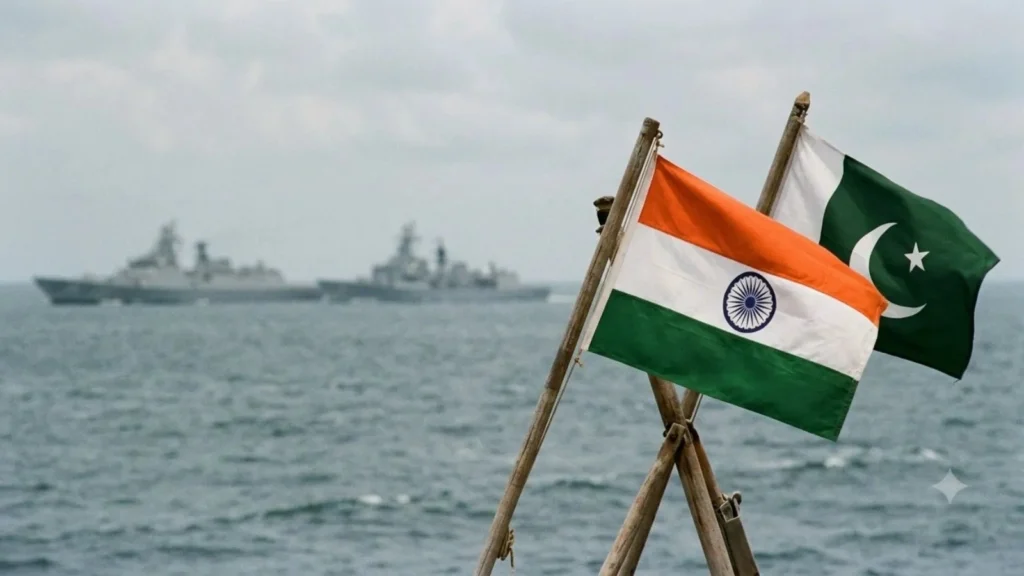
One of the more closely watched moments in Bishkek is Shehbaz Sharif sharing a stage with Narendra Modi, a little over a year after tensions flared between the two countries. No one expects a breakthrough, and that is not really the point. What matters is that both leaders sit within the same multilateral structure, under the same charter, in a setting where dialogue is simply part of doing business. Platforms like the SCO do not resolve disputes as old as Kashmir on their own, but they keep a door open, and an open door is never a small thing between neighbours.
The summit also arrives at an interesting moment for China and India, whose officials have resumed boundary talks after years of strain along their disputed frontier. A steadier China-India relationship would reshape some of the assumptions that have long shaped South Asian diplomacy. For Pakistan, this is worth watching closely and preparing for wisely, not as a threat, but as a reminder that a mature foreign policy rests on strong, independently valued relationships with all its partners, China foremost among them, rather than on any single equation.
Where Pakistan stands to gain the most is in the parts of the agenda that touch people’s daily lives: trade, energy and connectivity, all central themes at this year’s summit. Pakistan’s geography, bridging Central Asia, China and South Asia, has long been described as an asset waiting to be realised. The chairmanship year offers a genuine chance to turn that description into results: stronger transit links, new energy corridors, and trade routes that broaden Pakistan’s options in the region. With the 2027 summit to host, Islamabad has both the incentive and the runway to move these conversations from aspiration to agreement.
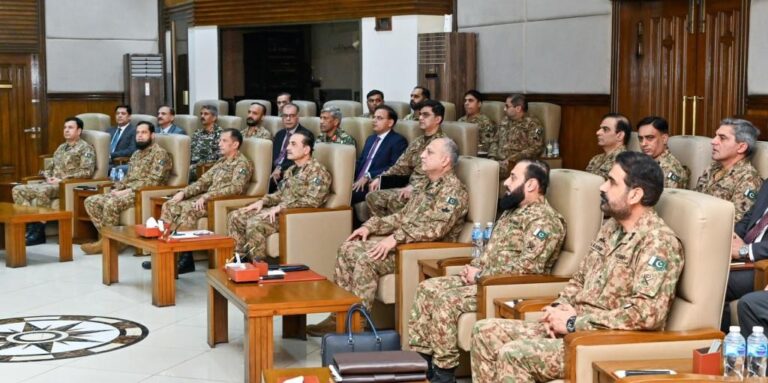
The sidelines of the summit matter too. Pakistani officials are expected to hold bilateral meetings with Russian, Chinese, Iranian and Central Asian counterparts while in Bishkek, quiet conversations that often carry as much weight as anything said from the main podium. These meetings are where the groundwork for the chairmanship year will likely be laid, and they reflect the kind of active, engaged diplomacy Pakistan will need to make the most of the year ahead.
The SCO will never be a body that moves quickly or speaks with one voice on everything, its members are too diverse for that, and that is by design. But it remains one of the few forums where Pakistan sits as an equal among major and regional powers alike, in the same room as both of its largest neighbours and its closest strategic partner. That is a genuine asset. Bishkek marks the moment Pakistan steps forward to lead it. The year ahead is Islamabad’s chance to make that leadership count.
Read more:https://digdebate.com/pakistan-kuwait-defence-pact-gulf-security-network/

Our Editorial Desk is the intellectual engine of Digital Debate, responsible for the rigorous research that anchors every conversation. Our team deep-dives into data, checks every source, and consults academic literature to move beyond headlines and identify the questions behind the questions.