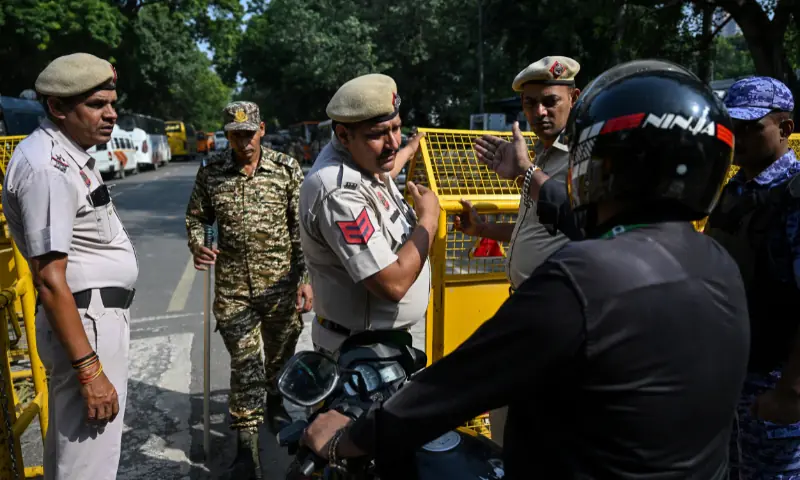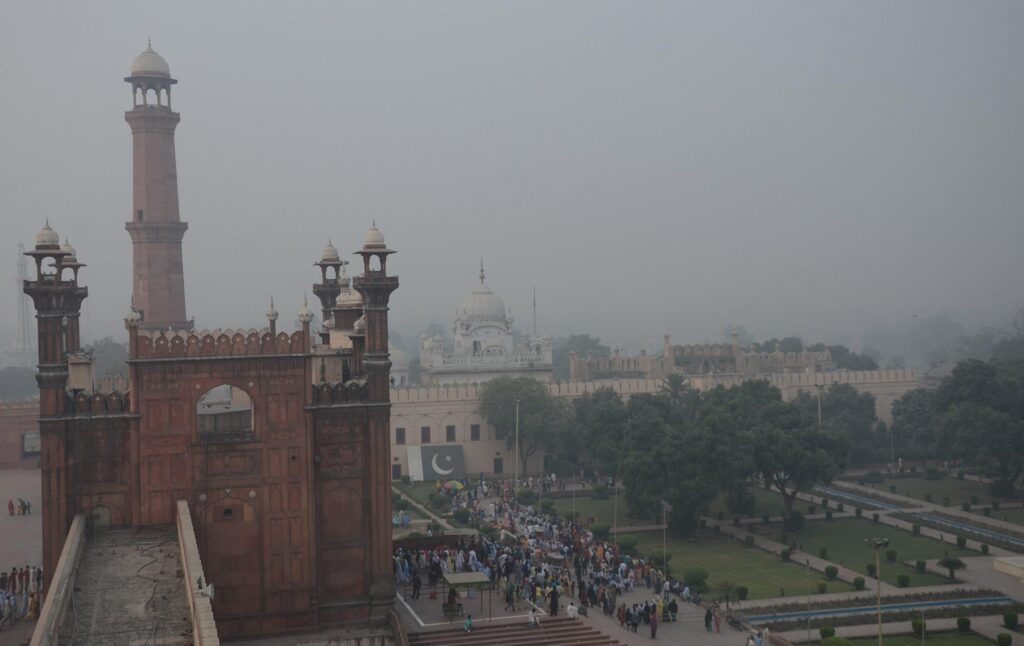
Something is shifting on India’s eastern border, and it isn’t happening in a war room. It’s happening in the careful, hedged words of a Bangladeshi foreign policy adviser.
On August 20, Humayun Kabir told a Dhaka newspaper that Bangladesh has a “positive approach” toward joining an economic or defence framework built around Saudi Arabia, Pakistan and Turkey. He did not say yes. He did not sign anything. But in diplomacy, that kind of soft yes is often more revealing than a hard one, it tells you which way the wind is blowing without committing anyone to a storm.
The framework in question is the Makkah Joint Defence Agreement, signed on August 7 by the Saudi Crown Prince, Turkey’s president and Pakistan’s prime minister. Its core promise is simple and blunt: an attack on one member is an attack on all three. It builds on a bilateral defence pact Saudi Arabia and Pakistan signed less than a year earlier, and it brings together some serious weight, Pakistan’s nuclear arsenal, Turkey’s large NATO-linked military, and Saudi Arabia’s money and regional standing. Egypt is reportedly weighing membership too.
For Bangladesh, the timing makes sense even if the substance is still vague. Relations with India have cooled sharply since Sheikh Hasina’s government fell in 2024. Dhaka’s new leadership has been openly critical of New Delhi for hosting Hasina, and a planned visit by Bangladesh’s current prime minister to India remains stuck in limbo. Meanwhile, ties with Pakistan have warmed in ways that would have been hard to imagine a few years ago, including Pakistani military training for Bangladeshi personnel. Turkey has quietly become one of Bangladesh’s biggest arms suppliers. None of this happened overnight, but it has been building for two years, and the Makkah pact gives it a name and a direction.
Then there’s the maritime angle, which gets less attention but matters just as much. Bangladesh is already a founding member of the Saudi-led Multinational Maritime Defense Coalition, formed in late July to guard shipping lanes around the Red Sea and the Bab al-Mandab Strait. The Maldives has now asked its own parliament for approval to join the same coalition. Put those two data points together and a pattern appears: Gulf-led security architecture is quietly extending into the Indian Ocean, one country at a time, while New Delhi watches from outside.
India’s response so far has been restrained, a foreign ministry spokesperson saying only that developments are being “closely followed.” That’s the right tone for a first reaction, but it can’t be the whole strategy. New Delhi has spent years assuming its neighbours had few better options than it. That assumption no longer holds. Smaller states now have real alternatives, and they are testing how much leverage that gives them.
Nothing here is finalised. But great-power blocs get built exactly this way, through overtures, hedged interviews, and one country after another deciding it no longer wants to wait for its old guarantees to prove themselves.
Read more: https://digdebate.com/pakistan-price-of-terrorism-editorial/

Our Editorial Desk is the intellectual engine of Digital Debate, responsible for the rigorous research that anchors every conversation. Our team deep-dives into data, checks every source, and consults academic literature to move beyond headlines and identify the questions behind the questions.