The International Monetary Fund has projected Pakistan’s economic growth at 3.5 percent for the current fiscal year, below the government’s 4 percent target and the World Bank’s September forecast of 3.8 percent.
The projection appears in the Fund’s World Economic Outlook, released at the World Bank and IMF annual meetings in Bangkok. The Fund concluded its review of Pakistan’s economy last week.
Headline inflation is forecast to rise to 9.9 percent from 7.1 percent last year, keeping it close to double digits for another year. The current account is projected to move to a deficit of 1 percent of GDP, from a surplus of 0.5 percent in FY2025.
Growth of 3.5 percent compares with 3.6 percent last year and 3.2 percent in FY2025. Unemployment is projected to fall to 6.5 percent, from 6.9 percent last year and 7.1 percent a year earlier. The Fund did not explain the decline.
Finance Minister Muhammad Aurangzeb told Reuters on Monday that the government expects growth above 4 percent despite elevated oil prices. He said the government plans to privatise five to six entities this year, which could raise more than $1 billion.
Globally, the IMF expects growth to slow to 3.1 percent in 2026 and recover to 3.4 percent in 2027. Global headline inflation is projected at 4.7 percent in 2026 and 4.1 percent in 2027.
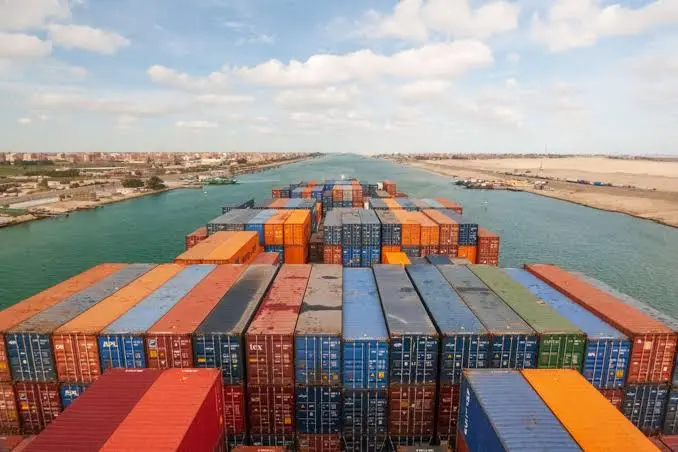
World trade volume growth is expected to slow in 2026 and stabilise in 2027, reflecting tariffs, changes in production chains and continued strength in technology related trade. The medium term outlook remains weak by historical standards and uneven across countries.
The Fund said the global economy has held up through the pandemic, supply chain disruptions, the wars in Ukraine and the Middle East, and major changes in trade barriers. It credited the technology upturn, financial buffers and policy adaptation. Labour markets stayed strong and financial systems withstood the sharpest monetary tightening in half a century.
The IMF said energy importing economies with limited links to the technology value chain face the most difficult outlook, citing higher import costs, exchange rate pressure, weaker real incomes and tighter fiscal space. Pakistan depends on Gulf energy imports, remittances and financing support from the region, which leaves it exposed to a prolonged Middle East conflict.
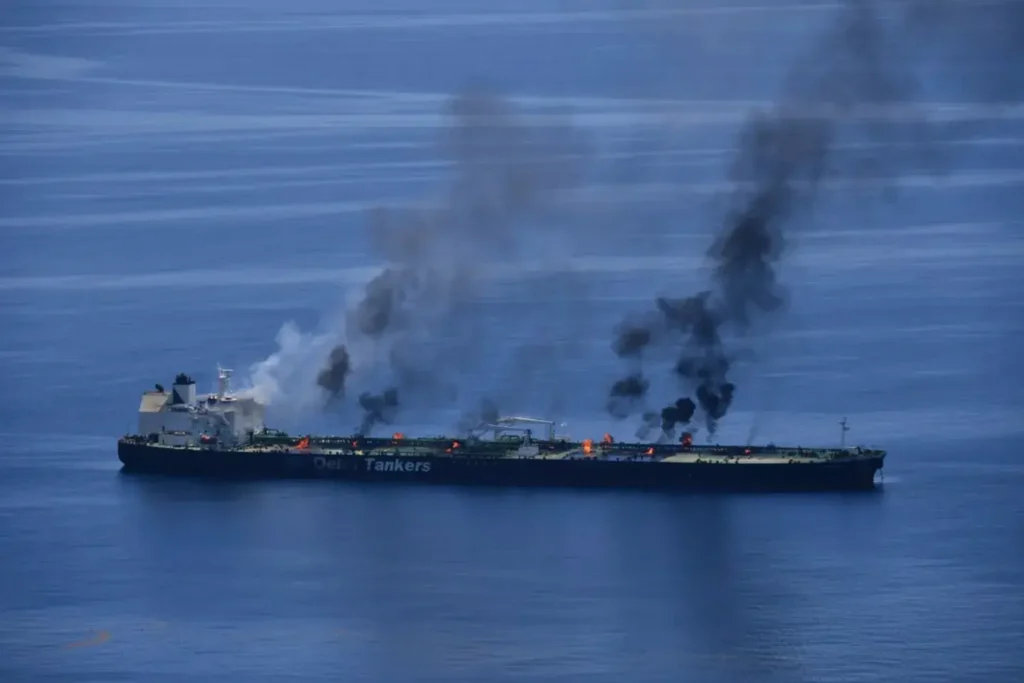
The Fund described risks as tilted to the downside. A prolonged stalemate or further escalation in the Middle East could keep energy and food prices high and volatile, revive inflation and worsen fiscal and external balances.
Disruptions to energy infrastructure, cyberattacks, extreme weather, renewed trade tensions, fiscal vulnerabilities and a reassessment of expectations around artificial intelligence could also weaken growth. Stronger AI investment and productivity gains, or a sustained easing of geopolitical and trade tensions, could lift it.
The IMF advised governments to build fiscal space through revenue measures. During cost of living crises, it said they should preserve price signals and rely mainly on temporary, targeted income support for the most vulnerable.

Our News Desk represents a rapidly expanding frontier in contemporary journalism, focusing on the intersection of technological advancement, geopolitical narratives, and the shifting dynamics of public information.