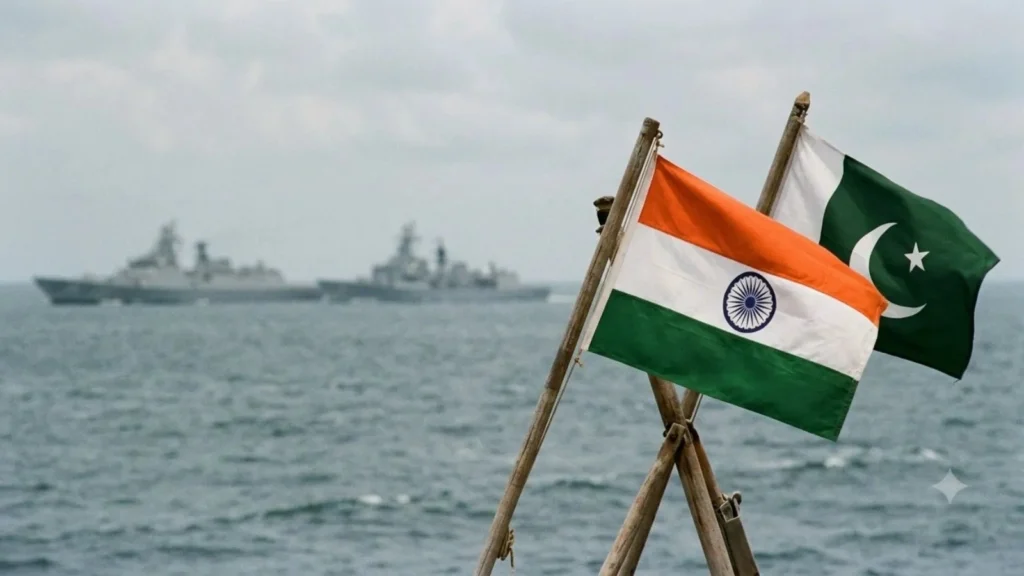
For decades, Pakistan has described itself as a “geographic pivot”, a bridge between South Asia, Central Asia, China and the Gulf. It’s a line every foreign policy speech seems to reach for, yet the trade figures behind it have rarely matched the rhetoric. This month, however, a cluster of developments suggests Islamabad may be trying to convert that old slogan into an actual strategy.
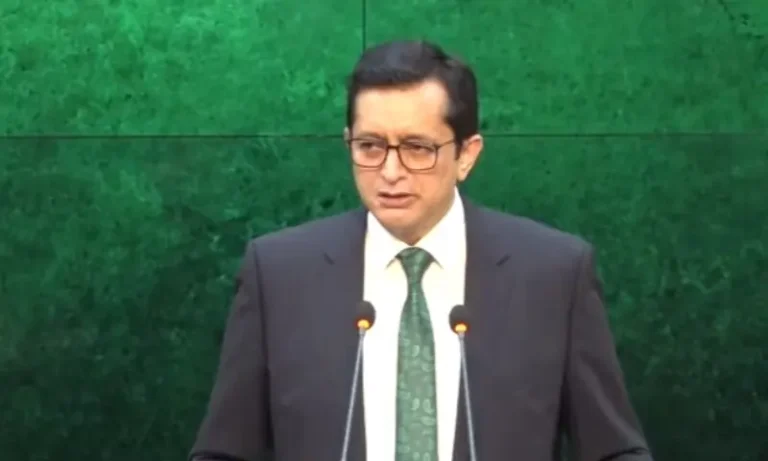
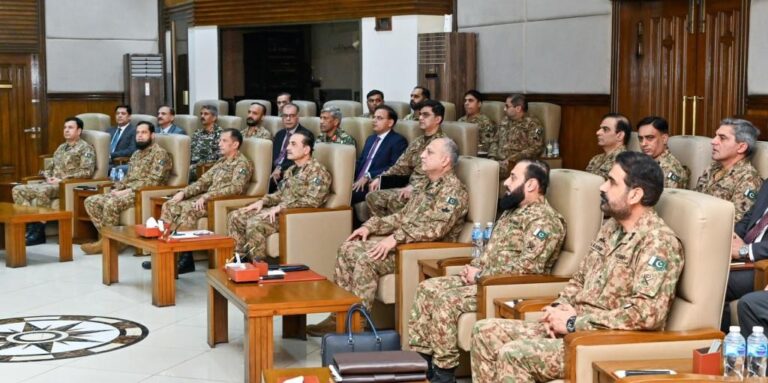
Start with the Makkah Joint Defence Agreement, signed on August 7 by Pakistan, Saudi Arabia and Türkiye. On paper, it is a mutual-defence arrangement: an attack on one signatory is treated as an attack on all three. In practice, it does something more subtle, it formalises Pakistan’s place inside a Gulf-Turkish security architecture that is being redrawn as the region grapples with an ongoing US-Iran war and a shifting Middle East order. President Trump’s public praise of the pact on Truth Social, calling it a “big, bold, important first step,” only added to the sense that Pakistan’s defence relevance is being noticed well beyond South Asia.
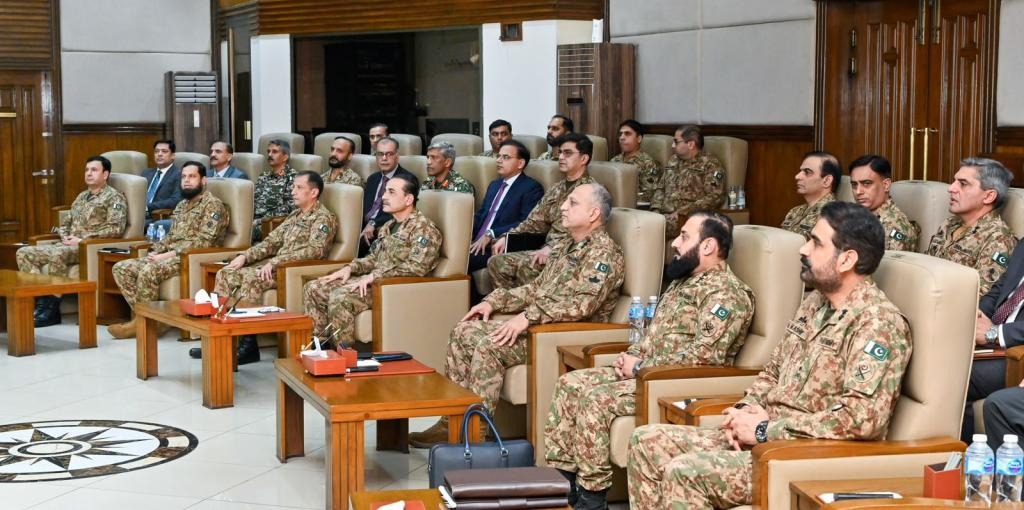
But defence is only one layer. Pakistan’s relationship with Türkiye has quietly expanded into trade, investment and defence-industry cooperation, with both countries setting a $5 billion bilateral trade target and deepening cooperation in energy, minerals and IT. A high-level military dialogue has added joint training and defence-industry collaboration to a relationship that used to be defined mostly by symbolism and solidarity.
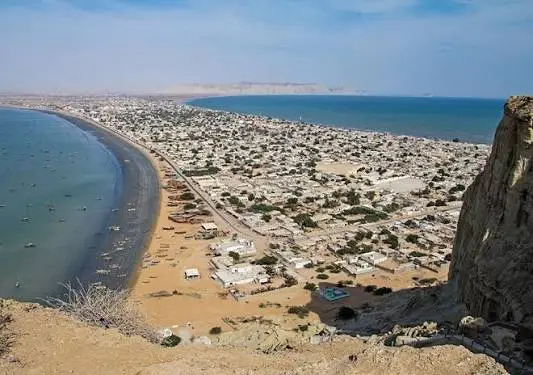
The more interesting story, though, is unfolding further east. Pakistan has been steadily courting Kazakhstan and Uzbekistan, inviting investment into Gwadar and Karachi ports and pushing rail connectivity that could, in theory, give landlocked Central Asian economies direct access to the Arabian Sea. Add Afghanistan and Iran into that picture, and the ambition becomes clearer: a north-south corridor linking Central Asia to warm waters, with Pakistan positioning itself as the hinge.
Pakistan has tried this pitch before, the Central Asia-South Asia connectivity dream is not new, and previous attempts to operationalise it have stalled on security concerns, weak infrastructure, and Afghanistan’s instability. What’s different this time is the convergence: a defence pact that raises Pakistan’s strategic profile, a Turkish relationship supplying capital and technology, and a fresh push on Central Asian trade corridors, all arriving within weeks of each other, against the backdrop of a region actively searching for new alignments as old certainties around US-Iran relations and Gulf security break down.
The real test isn’t diplomatic signing ceremonies. It’s whether Gwadar’s throughput actually grows, whether the Kazakhstan rail link moves past MoUs into freight volumes, and whether Afghan and Iranian transit routes become reliable enough for traders to bet on. Strategic relevance is not the same as economic leverage, and Pakistan’s history is littered with corridors that existed on maps long before they existed on ledgers.
So the honest question for Pakistan’s policymakers isn’t whether the country has geography. It always has. The question is whether it can finally build the institutions, security guarantees and infrastructure to make that geography bankable, or whether the Makkah pact and the Central Asia push will join a long list of declarations that sounded transformative and changed very little.
Read more: https://digdebate.com/the-alliance-that-the-iran-war-built/

Our Editorial Desk is the intellectual engine of Digital Debate, responsible for the rigorous research that anchors every conversation. Our team deep-dives into data, checks every source, and consults academic literature to move beyond headlines and identify the questions behind the questions.