Five years after seizing Kabul, the Taliban still govern a fractured state recognized by only one country in the world. On this day five years ago, the group swept into the Afghan capital as the last American aircraft left Kabul airport. Taliban officials celebrate the day with parades and pronouncements on security and sovereignty. The reality on the ground is different: banned classrooms, frozen bank reserves, international arrest warrants, and a population that is still one of the most food-insecure in the world.
Five years is a long time to count on a government’s success based on its promises. On that measure, the Taliban has failed on nearly every front that matters to the people it rules. No country has officially recognized the Islamic Emirate of Afghanistan as a legitimate government. Russia came closest in July 2025 when it raised the Taliban flag over an embassy building in Moscow, becoming the only state anywhere to extend formal recognition. All other governments, including regional neighbours who have maintained diplomatic ties with Kabul, continue to deny formal recognition despite five years having passed. That isolation is not incidental. It is the direct consequence of governance choices the Taliban leadership made and has refused to reverse.
Gender Apartheid and International Indictment
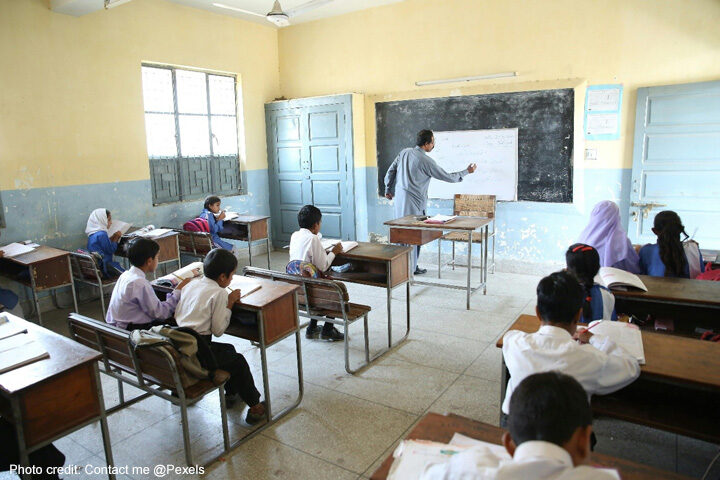
The treatment of women and girls is the most significant failure of this Taliban government. Human Rights Watch noted that within weeks of seizing power, the group announced a ban on girls’ secondary and higher education, which has not been lifted five years on. Women no longer have access to the majority of paid work, most public spaces, gyms, parks, and in numerous places the right to speak in public. Journalists, activists, and anyone perceived as a critic face intimidation, arbitrary detention, and torture, the same report documents.
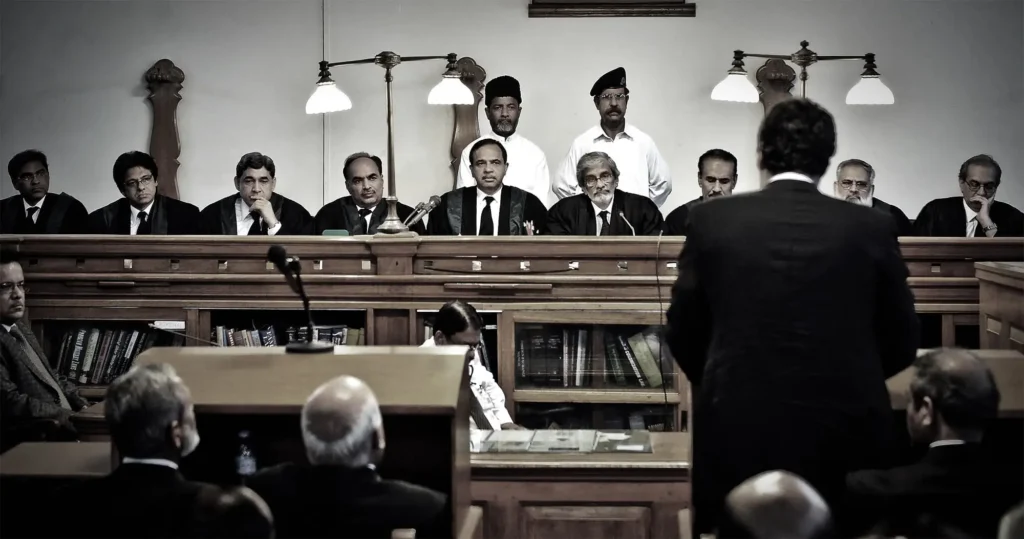
The International Criminal Court has treated this record as more than a domestic policy failure. In July 2025, the ICC’s Pre-Trial Chamber issued arrest warrants for Taliban supreme leader Hibatullah Akhundzada and chief justice Abdul Hakim Haqqani, finding reasonable grounds to believe both men ordered the crime against humanity of persecution on gender grounds, according to the International Criminal Court itself. It marked the first time in the court’s history that gender persecution formed the basis of an arrest warrant, and the first-time attacks on the LGBTQI+ community were charged as a crime against humanity. The court issued two further sealed warrants against senior Taliban members in September 2025, based on additional evidence and victims not covered by the original filings. The Taliban has refused the court’s authority entirely and has denied any responsibility to obey it.
An Economy Kept Afloat by Its Own People, Not Its Rulers
The economic record offers little relief from the human rights picture. According to the World Bank, real GDP is expanding by 4.8 percent, which has not been reflected in household incomes, in the World Bank’s Spring 2026 Afghanistan Development Update. The return of roughly 3.7 million Afghans deported or forced back, mainly from Pakistan and Iran, outpaced economic expansion, driving a 5.6 percent decline in GDP per capita even as the overall economy expanded. By March 2026, inflation had risen to 7.6 percent from an average of 3.6 percent, losing some of the little purchasing power that households had.
The World Bank estimates that between 15.2 million and 23.8 million Afghans, or about half of the population, live in extreme poverty with incomes of less than three dollars a day. The lean season in the coming winter is expected to push almost 17.4 million people, or nearly 40 percent of Afghanistan’s population, into acute hunger, while close to 14 million people are already facing such conditions by the end of 2025.
What growth does exist owes little to Taliban policy innovation. It is driven by returnee-fueled consumption, agriculture, and improved tax enforcement on trade already passing through the country, not by any structural reform that expands opportunity. Women’s labour participation has ticked upward only because desperate households need income from anywhere, they can find it, and even then, most women remain confined to informal, home-based work paying far below what the formal economy once offered, the World Bank data shows.
Exporting Instability Across the Border
The failure of the Taliban is not solely limited to the Afghan people. It directly threatens the security of its neighbours. In its latest UN report, the Analytical Support and Sanctions Monitoring Team noted continuing Taliban backing for the Tehreek-e-Taliban Pakistan, which has been behind a steady escalation in violence against Pakistani security forces and civilians. The same report quotes the Taliban authorities saying they moved about 2,000 TTP fighters away from the border after tensions heightened into direct military encounters, suggesting that restraint is only applied when the Taliban are willing to do so.
That failure carries a steep economic price. In October 2025, five trade crossings were closed after a border dispute, cutting off a trading route that connects Central Asian countries and leaving truck drivers and freight stuck for months. The Bloomsbury Intelligence and Security Institute has found that bilateral trade has declined from 2.46 billion dollars in 2024 to 1.77 billion dollars in 2025. If the government cannot or will not stop the use of its territory by militant groups, it has no right to claim it provides security, even to its own citizens who suffer the economic consequences of the closures.
The Only Metric the Taliban Claims to Have Won
The one real success cited by the Taliban is ending the war that preceded their return. The residents of Kabul interviewed by the Associated Press on the occasion of the 20th anniversary of the war admitted they could feel safer after 20 years of conflict but also urged the government to concentrate on employment and education. But security without economic opportunity, without recognized statehood, and without basic rights for half the population is a low bar for a government five years into uncontested rule. Moreover, the recent series of assassinated Taliban leaders in the northeast of the country, including the assassination of the Taliban’s own information director in Badakhshan province in late July, a regional wire reported, has begun to chip away at even the security argument.
Five years is enough time to distinguish a transition from a failed state of permanent crisis. The Taliban has had that time, uncontested, with no armed opposition capable of threatening its hold on power. What it has given rise to is a government no State fully recognizes; an economy built on returnee consumption and not investment; half of its population who cannot earn three dollars per day; and international arrest warrants against its supreme leader. That is not a difficult transition. It is a verdict.

Our Editorial Desk is the intellectual engine of Digital Debate, responsible for the rigorous research that anchors every conversation. Our team deep-dives into data, checks every source, and consults academic literature to move beyond headlines and identify the questions behind the questions.