Every Independence Day carries its own weight. For some years, Aug. 14 has been a day of introspection, a day to see the gap between what Pakistan had promised itself and what it has offered. This year is different. The 79th anniversary of Pakistan brought with its milestones that are going to be referred to in the classrooms of foreign policy institutes, legal books, and military academies for many years to come. It is only to mention their names today, with true and unflattering honesty, for Pakistan’s people ought to be aware of what their country constructed in the year that has passed.
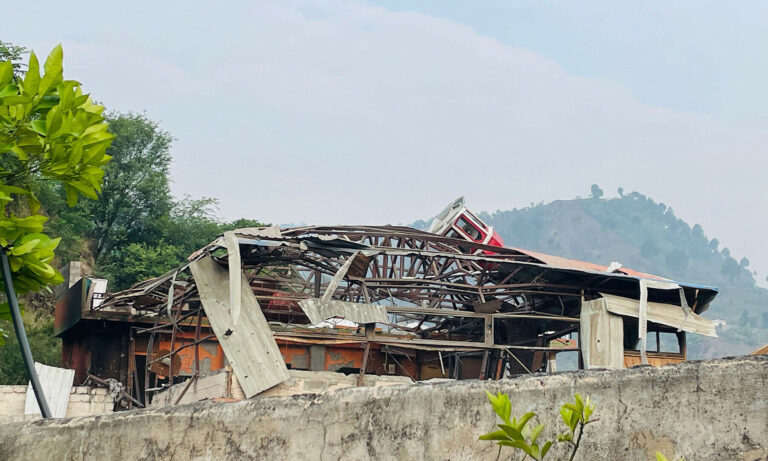
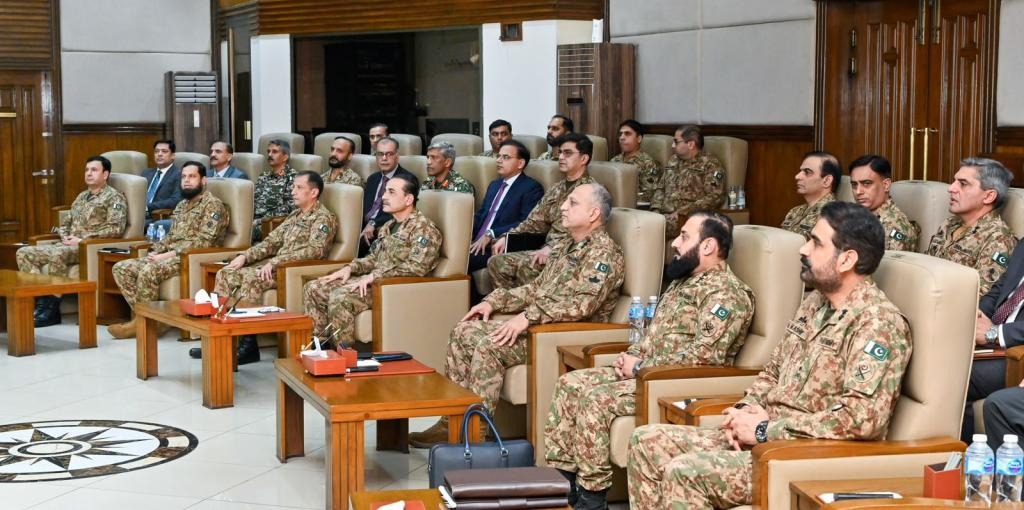
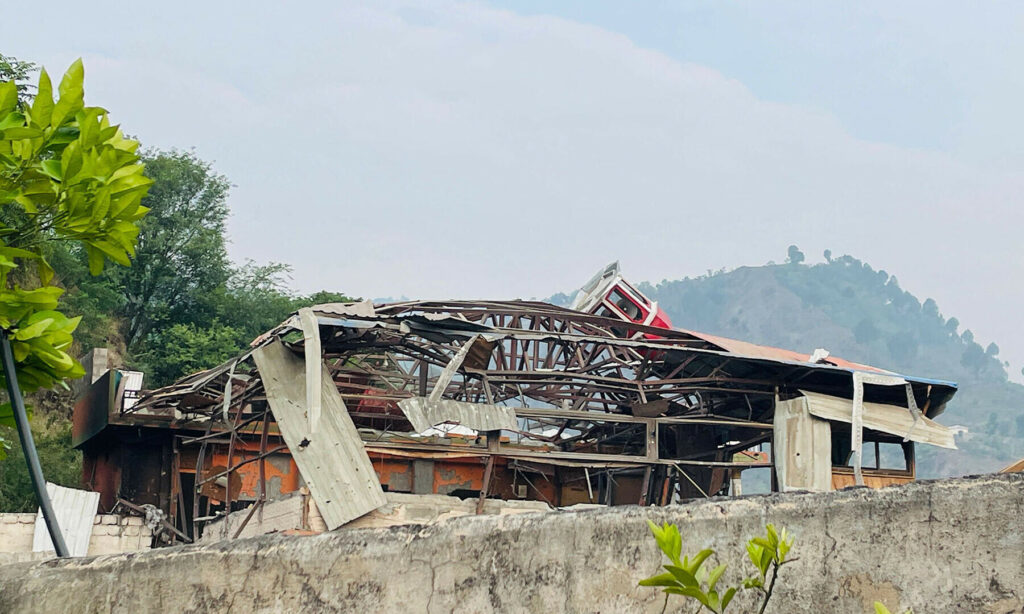
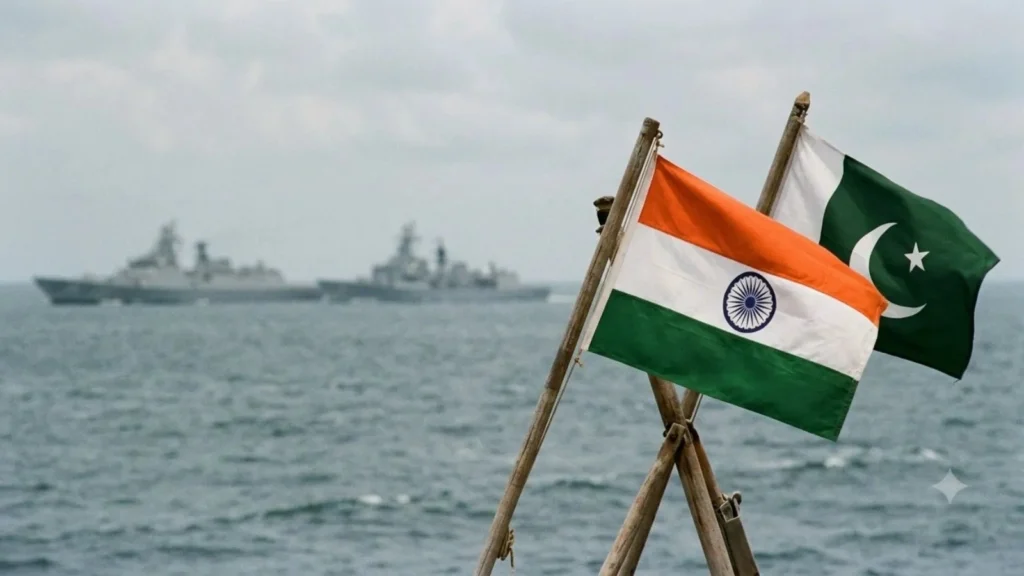
Begin with the most consequential. In the early hours of May 7 to 8, 2025, India launched Operation Sindoor, striking nine sites across Pakistan and Pakistan-administered Kashmir without warning and without presenting evidence of Pakistani involvement in the Pahalgam attack. Pakistan’s Operation Bunyan-un-Marsoos targeted 26 Indian military establishments, downed several Indian Rafale jets, neutralized two Indian S-400 air defense systems, and compelled a ceasefire that India had been working relentlessly to wash its hands of for weeks. For the first time in its operational history, the French fighter Rafale has suffered a combat casualty, confirmed a French intelligence official. In July 2025, China’s air force chief flew to Pakistan to study the kill chain. The war was not started by Pakistan. It ended it on its own terms. On May 20, 2025, the army chief was promoted to Field Marshal, the first in Pakistan’s history.
From Marka-e-Haq, Pakistan has jumped straight into the most impactful mediation position that any Muslim nation has ever held in history. When the US and Israel launched strikes on Iran on February 28, 2026, Pakistan spent the next 110 days as the primary intermediary between Washington and Tehran, brokering a ceasefire on April 7, hosting two rounds of Islamabad Talks, keeping the channel alive through four separate rounds of escalation, and ultimately announcing the Geneva MOU on June 15. The US confirmed Pakistan’s role publicly. China officially acknowledged Pakistan’s mediation efforts. Iran’s president flew to Islamabad as his first foreign visit after the war to express gratitude. JD Vance hugged Field Marshal Munir in Switzerland. The UN, the EU, and all others did not do what Pakistan did. It got two countries at war to stop fighting.
A Country That Fights in Courtrooms Too
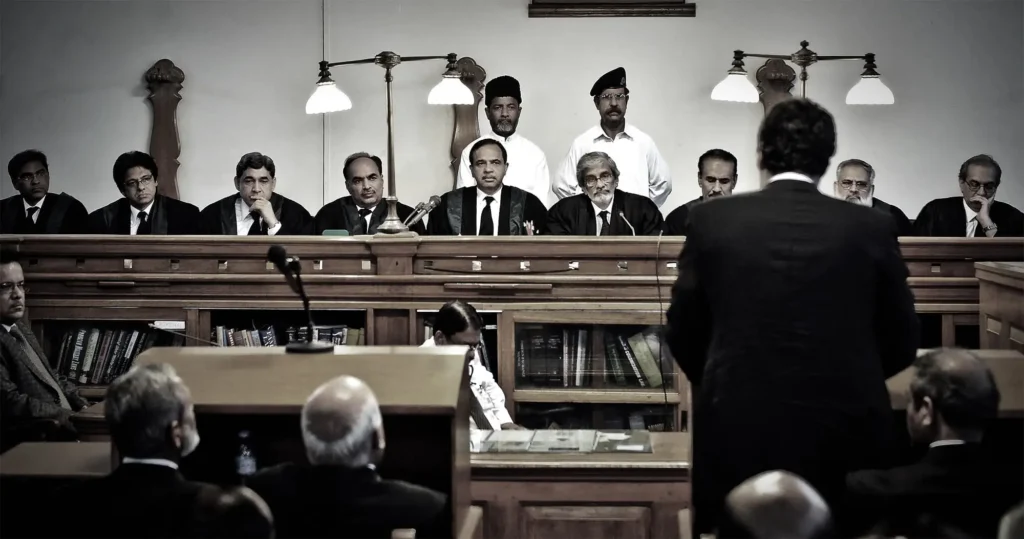
This was not a year of only military and diplomatic success. Pakistan contested and prevailed in two international judicial forums at the same time. In 2025 and 2026, the Permanent Court of Arbitration rendered two awards in favor of Pakistan, both of which held that the Indus Waters Treaty could not be unilaterally suspended by India, that it does not extinguish the court’s jurisdiction, and that treaty restrictions on India’s water-control potential are substantive and binding. India rejected both awards. The court issued them anyway. Pakistan’s water rights are now on the strongest legal record in the treaty’s 65-year history. Australia’s Federal Court dismissed India’s appeal to trademark Basmati exclusively, upholding Pakistan’s position that the rice is a geographical indication of a shared growing region and ordering India to pay costs. Two international courts. Two wins in one year.
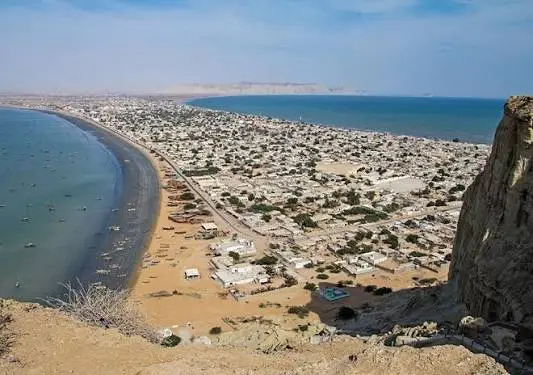
The strategic architecture that Pakistan had built in 2026 furthered the achievements. The Muslim world’s most important trilateral security alliance was formed by the Makkah Joint Defence Agreement signed on 7 August by Pakistan, Saudi Arabia and Turkey, in which Pakistan is the nuclear anchor. On 29 July, after 25 years on Lloyd’s war risk register, Pakistan was taken off the list and insurance costs further dropped for all ships landing in Karachi, Port Qasim and Gwadar. The EU and Pakistan issued a joint communique that mentioned Kashmir alongside Ukraine as a conflict requiring UN Charter-based resolution. Two Pakistani astronaut candidates are training in Beijing for a mission to China’s Tiangong space station before year-end, making Pakistan the first foreign partner in China’s human spaceflight programme. Turkish Petroleum is about to begin offshore drilling in Pakistan’s territorial waters, the first in nearly two decades, backed by $120 million in committed investment.
None of this means the challenges are gone. The trade deficit is widening. The monsoon has killed 72 people since June and is still active. Child abuse cases run at 11 per day. Balochistan is still facing direct terrorist threats from Indian sponsored proxies. The Indus Waters Treaty is still suspended, and India still shares no hydrological data. The Iran final deal has still not been concluded. Pakistan’s 79th year has witnessed historic success and serious shortcomings as well. Both are true. Both belong in the same honest accounting.
But Independence Day is the right moment to acknowledge what Pakistan built, specifically and without sentimentality, because the people who built it deserve acknowledgment. The soldiers who flew JF-17s into the largest air engagement of the decade. The diplomats who were holding the phone lines open for five months of war. The lawyers who argued two international cases simultaneously. The naval chief who flew to London and got Pakistan off a 25-year insurance list. The negotiators who carried bridging language between Washington and Tehran when no one else could.
Pakistan enters its 80th year as a country that has proved something it had not previously proved in this combination: military credibility, diplomatic standing, legal competence, and strategic vision, demonstrated simultaneously, under real pressure, in a single year. That is not nothing; on August 14, 2026, it is everything.

Our Editorial Desk is the intellectual engine of Digital Debate, responsible for the rigorous research that anchors every conversation. Our team deep-dives into data, checks every source, and consults academic literature to move beyond headlines and identify the questions behind the questions.