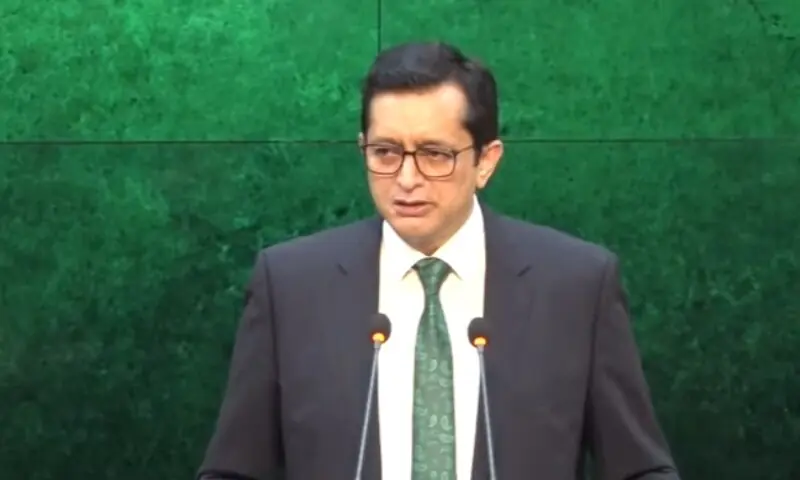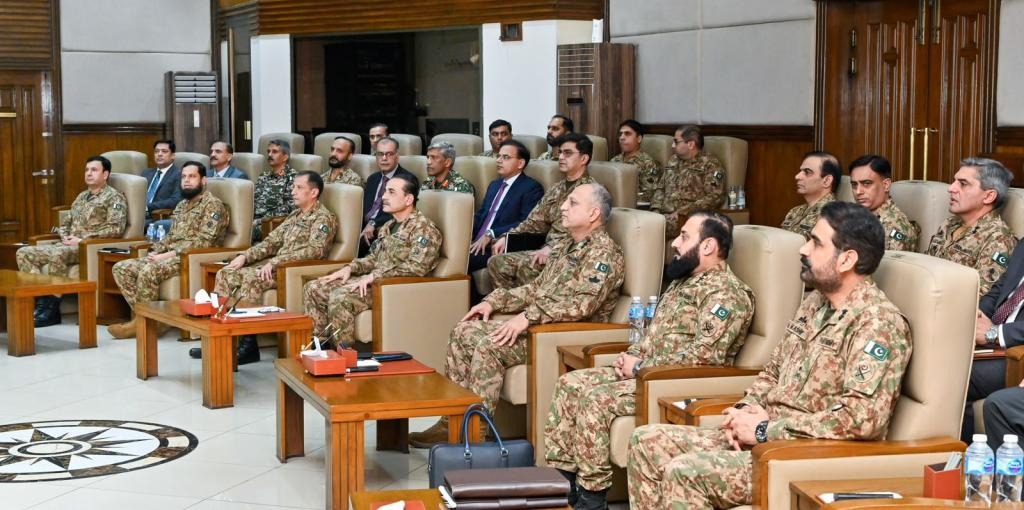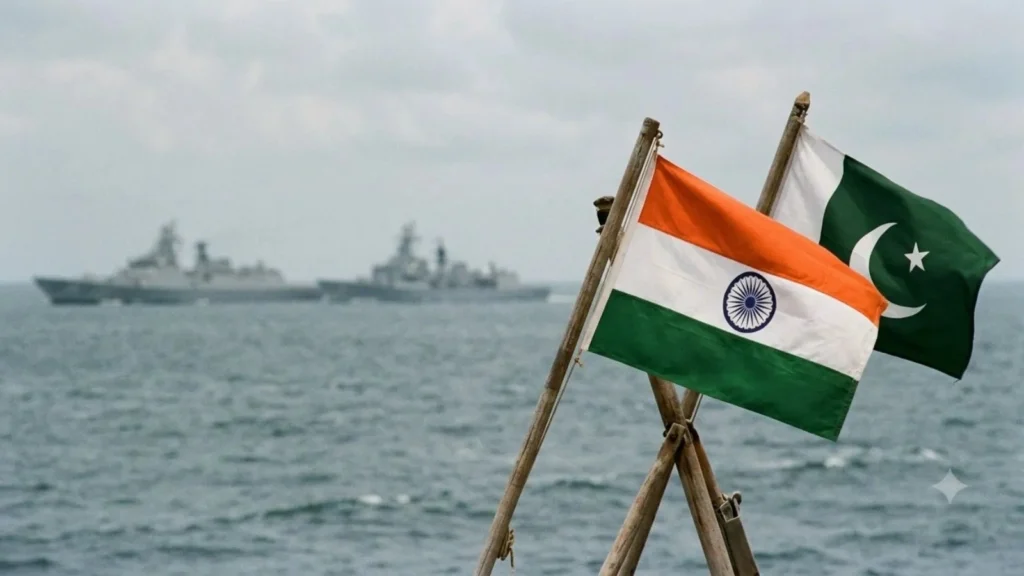
In two hours, the MOFA press briefing of July 23, 2026, dealt with seven different fronts of foreign policy. In combination, they present a clear picture of where Pakistan’s diplomacy is focused and how it is positioning itself in a region that has not come to a halt since February.
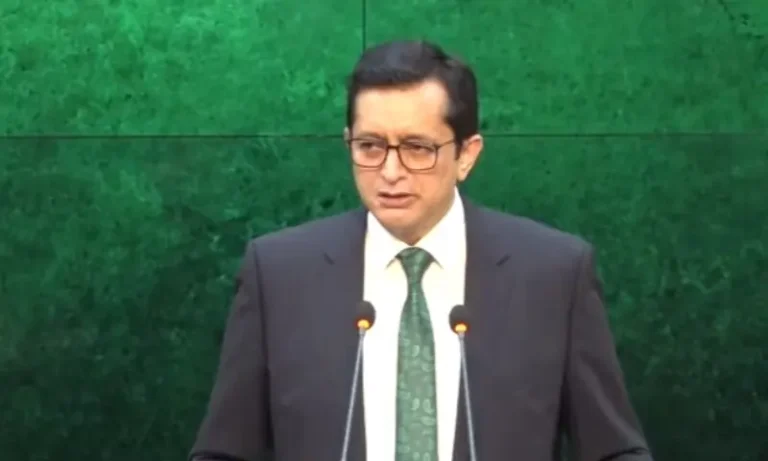
Spokesperson Tahir Andrabi began with the Red Sea. The Houthis had threatened to impose a sea blockade on Saudi commercial shipping and struck overnight. Pakistan’s reaction was unmistakable – it condemned the attacks, reiterated its commitment to Saudi Arabia’s security, and drew a red line. Any hostile act against Pakistani-flagged vessels would serve as a serious threat to national security. When pressed on what that meant operationally, whether Pakistan would deploy naval assets to the Red Sea and Bab el-Mandeb, the spokesperson held his ground. Operational details were a matter for the Ministry of Defence. The political signal had already been sent.
The Saudi dimension is not rhetorical. Meanwhile, a Strategic Mutual Defence Agreement was signed between Pakistan and Saudi Arabia in 2025, and now the countries are testing the skies for its implementation on a real-time basis given the continued Houthis attacks on Saudi commercial infrastructure. Pakistan’s position is clear: the treaty is in force, and its obligations will be upheld. Pakistan’s separation of its mediation role in the wider Iran-US conflict from its self-defence approach on maritime security is legally sound. A state acting as a peace broker is not precluded from defending its own interests simultaneously. These are not contradictions. They’re various parts of the same foreign policy.
Iran, Afghanistan, and the Limits of Mediation
The Iranian Interior Minister Eskandar Momeni’s visit to Islamabad this week sat at the intersection of two issues the briefing addressed separately but which run together. As for the Iran-US conflict, Pakistan’s commitment to the Islamabad MoU was reiterated, and the Joint Statement with Qatar is seen as a working platform for achieving peace. Spokesperson declined to confirm or deny the existence of a specific 10-day ceasefire proposal. “These are communications that have a certain degree of confidentiality,” he said. That is the correct posture for a mediator. Pakistan’s role in the US-Iran diplomatic process has been acknowledged by the EU, by Oman’s foreign minister, and by US officials. Confirming the mechanics of individual proposals would compromise the channel.
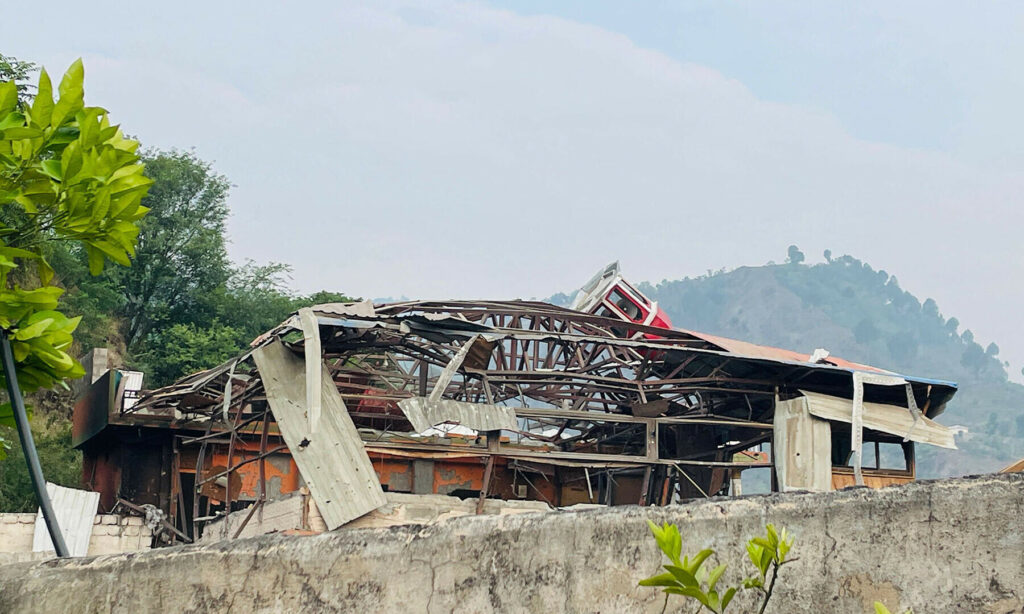
Amnesty International published a report alleging Pakistani strikes caused civilian casualties, including at a facility described as a hospital. Pakistan denies all these charges. The strikes were carried out in self-defence under international law, against only the terrorist infrastructure, and under the principles of distinction, precaution and proportionality, he said. Amnesty’s report’s conspicuous lack of details on the Taliban’s supervision, funding and protection of the TTP, BLA and others who have committed thousands of Pakistani civilians to their deaths. The DG ISPR has provided concrete proof that Afghan territory is being exploited for attacks, such as the attack on the Chinese envoy in October 2024 and the hijacking of the Jaffar Express in March 2025.
The Afghan deportation question produced the briefing’s most nuanced response. Pakistan’s Illegal Foreigners Repatriation Plan has been in operation since November 2023. Over 89,000 Afghan nationals have been facilitated for resettlement in third countries, including the US, UK, Germany, Canada, and Australia. Although some third countries had failed to complete their resettlement processes for Afghans they had committed to receiving, Pakistan could not wait indefinitely for them to do so.
Kashmir, GSP+, and the Kargil Question
On Kashmir, specific figures were provided: 3,000 Kashmiris had been arrested in the past few days, 1,500 of whom were from Shopian alone, 700 of whom were from Srinagar, and that the crackdown was aimed at suppressing resistance, while the Indian home front was preoccupied with the NEET protests in Delhi. Pakistan has a consistent stance since August 2019 arbitrary arrests and detentions have grown significantly in IIOJK; people are being detained without due process for months or years; and Pakistan continues to brief the UN human rights machinery, the Security Council and civil society organizations on conditions in the occupied valley. India, as an occupying power under international humanitarian law, is duty-bound to uphold the human rights of Kashmiris. That legal framing, occupying power and not sovereign administrator, is Pakistan’s consistent position and the one the UN’s own resolutions support.
Pakistan welcomed the acknowledgment of legislative progress but found the overall narrative of the EU GSP+ report insufficiently balanced. The report, in Pakistan’s assessment, underweights the reform efforts since 2014 and overweights the items with less than satisfactory gains. It’s a defensible interpretation of a document that recognized Pakistan’s GANHRI A-status, ILO Protocol ratification, domestic violence law and CITES Category 1 upgrade with the language of “regression” in human rights compliance. The US-Pakistan $680 million F-16 upgrade agreement for 65 Blocks 15 and 15 Block 52 jets was submitted to the Ministry of Defence for further details regarding the timeline. On the Pakistan-Qatar defence pact, similarly. These are not deflections. They are right institutional points of contact for operational and defence procurement queries, for which the Foreign Office spokesperson does not have the authority to provide details on behalf of other ministries.
In total, what the July 23 briefing showed was a posture to foreign policy at work on a greater number of fronts at any given time than at any time in recent years. The Red Sea, the Iran-US mediation channel, Afghanistan, Kashmir, the EU trade relationship, bilateral diplomacy across Manila, Shanghai, Islamabad, and Bishkek, and the IFRP deportation policy are not separate files. They are interdependent aspects of a strategic context in which Pakistan is playing a more diplomatic game than it is generally given credit for.

Our Editorial Desk is the intellectual engine of Digital Debate, responsible for the rigorous research that anchors every conversation. Our team deep-dives into data, checks every source, and consults academic literature to move beyond headlines and identify the questions behind the questions.