India is selling the Astra missile on the strength of Operation Sindoor. That’s a difficult pitch given the actual air record of the operation. Prime Minister Modi arrived in Jakarta on July 6 for a four-day state visit. Among the confirmed outcomes were a BrahMos supply pact with Indonesia and a decision by Jakarta to procure India’s Astra beyond-visual-range missile, with the Astra sale directly attributed to the missile’s performance in Operation Sindoor. India and Indonesia signed 20 memorandums of understanding, covering defence, critical minerals, and port development. The diplomatic packaging was clean. The underlying defence export argument is more complicated.
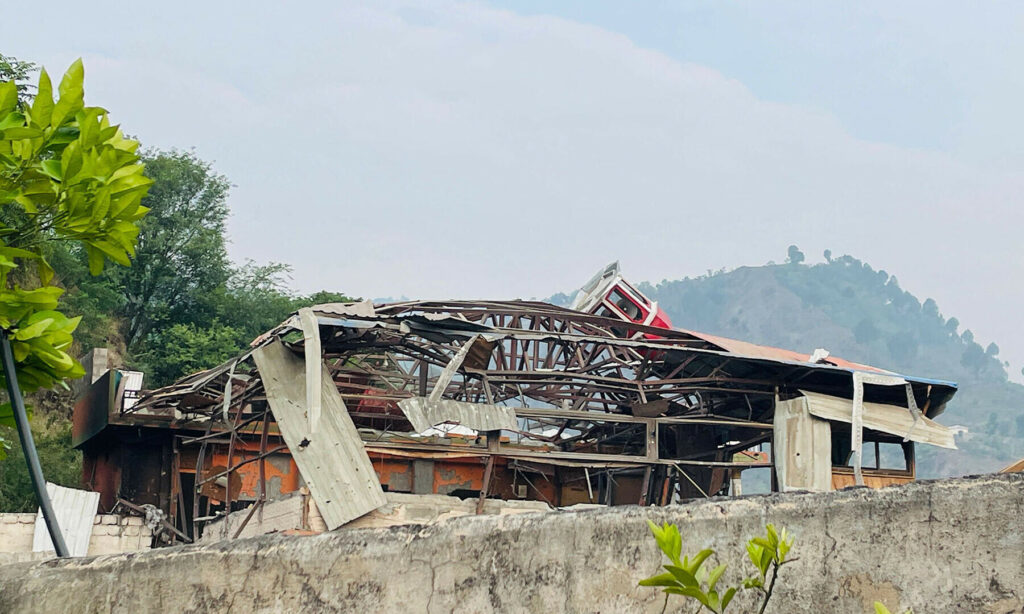
The Astra Mk-1 was used by the Indian Air Force during Operation Sindoor in May 2025. The question of what took place in the air component of that operation is still the subject of contention among the nations. In August 2025, a Reuters investigation revealed that a Pakistan Air Force J-10C downed at least one Indian Rafale with a PL-15 air-to-air missile, launched from an estimated distance of 200 kilometres. Senior French officials later indicated they had seen evidence of the shoot-down. According to Defence Security Asia’s analysis, Pakistani pilots flying J-10s were able to maintain electronic silence during the launch of long-range PL-15 salvos at Indian formations by using networked radar feeds on AWACS platforms. In July 2025, AirForces Monthly published information that the PAF had launched more than 114 aircraft in the biggest aerial battle in decades in South Asia and had recorded six kills in less than 52 minutes.
India disputes the claims. Indian sources maintain no Rafales were lost and that Pakistani claims serve a Chinese arms promotion agenda. The Chief of Defence Staff also admitted to “initial losses” but said the IAF had rectified its tactics post May 7. The acknowledgment of tactical correction sits uneasily alongside the simultaneous claim that no losses occurred.
What Indonesia Is Actually Buying
Engagement range of the Astra Mk-1 is roughly 110 kilometres. DRDO officials acknowledged post-Sindoor that the programme required upgrading and moved to integrate technologies from a recovered PL-15E missile found intact near Hoshiarpur, Punjab, into the Astra Mk-2 programme. The Mk-2 is projected to reach 240 kilometres. It is not yet in production. The procurement decision is for the Mk-1, which was the same missile that showed performance issues in Sindoor and led to India’s own engineers seeking improvements from an enemy missile that they had captured.
The Aviationist pointed out that the Rafale’s sensors and electronic warfare capabilities are still a potent arsenal. Per the reconstruction from Reuters, what went wrong was India’s assumption set for PL-15 engagement range. Assumptions and hardware are different things. Indonesia is purchasing hardware without having an idea of how it has performed in an actual battle with an actual adversary.
The BrahMos part of the Jakarta deal is on a stronger footing. BrahMos is a proven supersonic cruise missile with a 300-kilometre range and Mach 2.8 speed. It was used by India at large scale in the opening days of Operation Sindoor, in its attacks on Pakistani logistics and intelligence infrastructure. There has been no credible challenge to BrahMos’s performance during the operation. Indonesia’s expansion of BrahMos batteries is a defensible procurement decision based on a system with a coherent combat record.
The case for the sale of Astra is different. India’s government sources briefing Indian media described the missile as proven by Operation Sindoor. The operation yielded mixed results; it brought an admission of tactical revision from the Indians, international reports of confirmed losses, and the show of India’s own defence researchers working on reverse engineering a Chinese missile to close the gap. Selling a missile against the backdrop of that record requires a selective reading of the evidence.
Pakistan’s own JF-17 and J-10C sales pipeline benefited directly from May 2025 for the same reason: combat use produces credibility, and credibility drives procurement decisions. Pakistan’s defence contracts exceeded $10 billion in 2025, with Azerbaijan, Libya, and others citing May 2025 performance directly. India is applying the same logic with Indonesia. The difference is that Pakistan’s claimed outcomes remain disputed but unrefuted with physical evidence, while India’s own officials have confirmed the need for post-Sindoor tactical and technological adjustment.
Indonesia is a capable defence partner who makes sovereign procurement decisions. Jakarta’s interest in BrahMos is well-grounded. Its verdict on the Astra should include a detailed account of its performance and failure, and what India’s own engineers had concluded at the end of the engagement.

Our Editorial Desk is the intellectual engine of Digital Debate, responsible for the rigorous research that anchors every conversation. Our team deep-dives into data, checks every source, and consults academic literature to move beyond headlines and identify the questions behind the questions.