The 14-point memorandum of understanding between the United States and Iran was signed in Geneva on June 18. The Strait of Hormuz was reopened. Oil markets rallied. Stocks climbed. The war, which started on Feb. 28 and resulted in estimated damage to the global economy of $21.8 trillion, was officially over. Then, within 72 hours, Iran initially refused to continue talks after Trump threatened on Fox News to resume bombing and to collect tolls on Hormuz if Iran did not meet its commitments. Pakistan and Qatar spent the following hours keeping both delegations in the room. The talks resumed.
That sequence, agreement reached, presidential threat aired, process nearly collapses, mediators intervene, talks resume, is the defining pattern of this entire negotiation. It has been repeated over 115 days, three ceasefire violations, two Islamabad Talks, and one formal signing ceremony in Switzerland. The deal exists. The final negotiation period is now open for 60 days. And the same structural pressures that almost broke the process four times are still present.
Pakistan and Qatar, as joint mediators, issued a statement on June 21 confirming that the two sides had formed a “line of communication” to manage incidents in the Strait of Hormuz and avoid miscommunication during the 60 days. They also announced a “de-confliction cell” for Lebanon, facilitated by both mediators, to ensure the end of military operations there. Iran’s Foreign Minister said the “first real test” of the agreement will be the effectiveness of that de-confliction effort in Lebanon. That is a precise and honest framing. Lebanon is where the MOU is most fragile. Each Israeli strike there creates an opportunity for the hardliners to stall any progress in the final deal talks with Iran.
What the 60 Days Must Produce
The MOU defers the hardest questions. The full nuclear file, including the length of the moratorium and what happens to Iran’s stockpile of near-weapons-grade material, will be put to final deal negotiations. The agreement specifies a minimum methodology of down-blending enriched uranium on-site under IAEA supervision, but leaves the scope and timeline to further talks. In addition to the immediate waiver on oil exportation, sanctions relief is also deferred for other measures. The $300 billion reconstruction fund for Iran, which the US confirmed would not include direct American government contributions, awaits implementation details. None of these is a minor item. They are the focal point of the disagreement that led to the war in the first place.
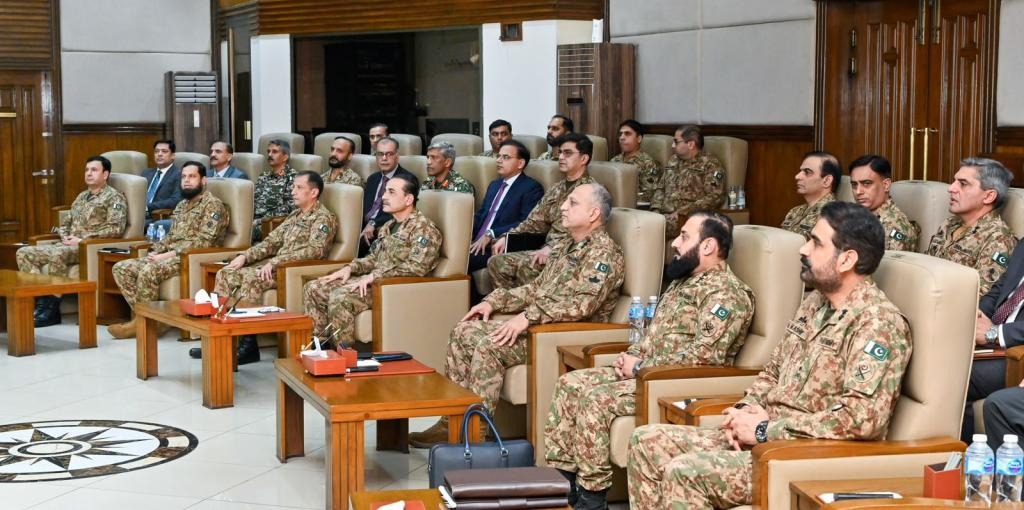
Pakistan’s mediation now enters a different phase. All of this ceasefire brokering, the direct shuttle diplomacy, the midnight phone calls between foreign ministers, the Islamabad rounds, and the final text between Washington and Tehran occurred in the first phase. The second phase, the 60-day final deal window, is led by a High-Level Committee with political oversight from both mediators, with working groups on nuclear issues, sanctions, and implementation reporting to it. Pakistan’s role shifts from carrier to supervisor. That is a different kind of work, less visible and more sustained.
The participation of Qatar in this process has been underestimated throughout. Doha helped to open financial lines for Iran to receive early sanctions relief payments. It hosted the de-confliction cell for Lebanon. Qatar’s Prime Minister praised Pakistan for its role and called for “positive and constructive” discourse in the future. The Pakistan-Qatar mediation partnership was not pre-planned. It was developed gradually, one country contributing what the other one could not. Pakistan brought the personal relationships with both Washington and Tehran’s military and political leaderships. Qatar provided the financial infrastructure and the Gulf Arab political cover to lend regional legitimacy to the process.
The G7 issued a declaration from France calling the MOU a historic opportunity. European leaders, led by Britain, France, Germany, and Italy, called for speedy implementation and reaffirmed their support for Lebanon’s sovereignty. There is a wide international context for the agreement. The implementation mechanism is still being built. On June 18, the same day the formal signing was scheduled, the US and Iran postponed the technical phase of the talks in Switzerland, further delaying the process of implementing the MOU, which must be completed in parallel with the political negotiations.
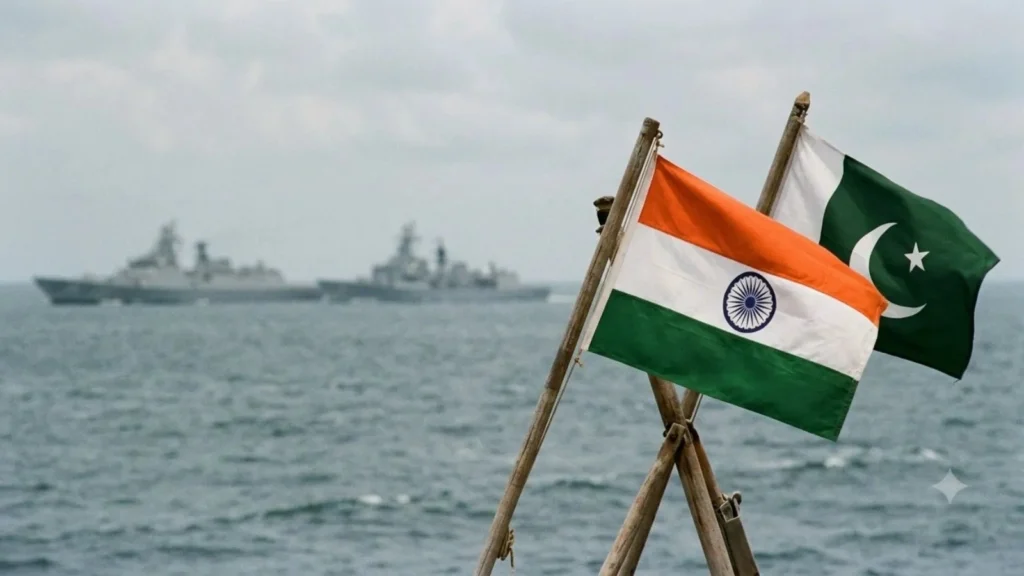
The war ended. The negotiation did not. Pakistan and Qatar are still at the table, still managing a process that produces a new crisis every few days, keeping two parties talking who have spent 47 years finding reasons not to. The 60-day window is the most consequential diplomatic period of this entire conflict. It will determine whether it will result in a final deal or a region returning to war.

Our Editorial Desk is the intellectual engine of Digital Debate, responsible for the rigorous research that anchors every conversation. Our team deep-dives into data, checks every source, and consults academic literature to move beyond headlines and identify the questions behind the questions.