Pakistan recently joined an exclusive global club. With the passage of the Budget 2026-27, the state erased the 18% General Sales Tax (GST) on sanitary pads, tampons, and contraceptive medicines. By executing this fiscal shift, Pakistan became one of merely 18 nations globally to dismantle the “pink tax,” which is the systemic financial penalty levied on essential reproductive health products. On paper, this stands as a monumental triumph for gender-responsive budgeting. In reality, a tax cut merely alters a number on a balance sheet; it leaves supply chains, social taboos, and school attendance rates entirely untouched. For a society where menstrual hygiene has long existed at the uneasy intersection of taboo and neglect, this is a moment worth marking. Yet the measure’s true significance will emerge only in the months ahead, when the question shifts from what the budget removed to what the implementation delivers.
The Urban-Rural Fracture
The erasure of the 18% GST rectifies a long-standing legislative irony. Before this budget, menstrual hygiene products were legally categorized alongside luxury goods, penalizing individuals for biological realities. Removing this tax lowers production and import floors, which theoretically triggers a downward shift in retail pricing. Urban supermarkets and formalized retail networks in Karachi, Lahore, and Islamabad will reflect these savings swiftly. Competitive pressures in affluent markets ensure compliance.
The open market, however, remains a fragmented beast. Beyond urban centers lies an informal economy insulated from federal budgetary directives. Rural distributors, localized wholesalers, and small-scale shopkeepers operate on razor-thin margins. A fiscal exemption announced in Islamabad travels slowly to a general store in rural Sindh or interior Punjab. Without rigid oversight, the financial relief intended for the consumer stays trapped as surplus profit within the supply chain middlemen.
Furthermore, price reduction addresses only a single pillar of a multifaceted crisis. True accessibility requires three distinct components: affordability, physical availability, and social acceptability. The budget addresses the first, yet stumbles on the remaining two.
The Precedent of Empty Shelves
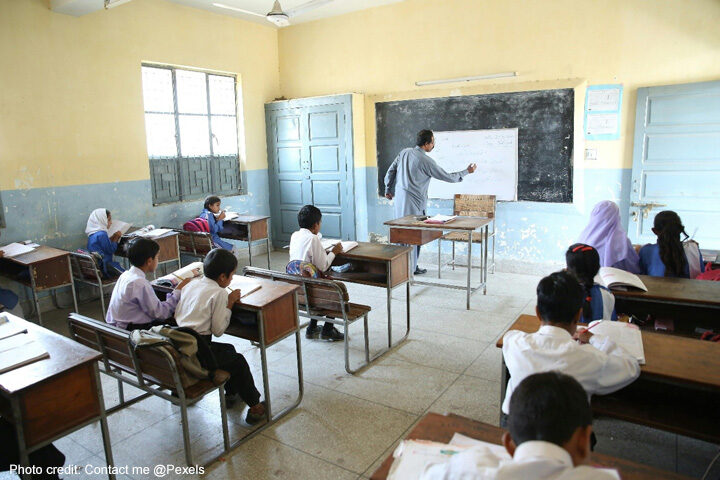
Statistical realities across Pakistan paint a grim picture of structural exclusion. Approximately half of adolescent girls routinely miss academic days during their menstrual cycles. This absenteeism stems directly from a lack of private sanitation facilities and a dearth of hygiene products within public institutions. This is an infrastructural failure, entirely independent of retail pricing.
A compelling historical precedent exists just across the border. India completely abolished its GST on sanitary napkins in 2018 amid similar celebrations. Years later, subsequent public health studies revealed a sobering truth: while urban prices plummeted, rural utilization rates stagnated. The price cut failed because the state neglected the distribution networks and institutional support required to deliver those products to remote communities. Pakistan currently stands on the precipice of repeating this identical policy miscalculation.
In remote districts, the primary barrier to entry comprises a combination of supply deficits and deep-seated social stigma. Shopkeepers frequently decline to stock these products due to low localized demand, fueled by a reliance on traditional, unhygienic alternatives. When products are available, the lack of privacy in rural retail environments deters open purchasing. A price cut matters little when a consumer faces social ostracization merely for approaching a counter. The lesson from our neighbor demonstrates the limits of price-based intervention when infrastructure and stigma remain unaddressed.
Charting a Structural Response
To transform this fiscal gesture into a genuine public health milestone, the state must transition from passive tax exemption to active structural intervention. A comprehensive policy response requires immediate replication of the global best practices that followed similar tax rollbacks.
First, the Ministry of National Health Services must establish a strict price-monitoring mechanism. The state must compel manufacturers to update their Maximum Retail Price (MRP) packaging within the quarter, ensuring the 18% savings reach the end-user rather than swelling corporate balance sheets.
Second, the government must integrate product distribution directly into the public education architecture. Providing free, state-subsidized hygiene products within public middle and high schools directly targets the enrollment and attendance gap. School-based programs address the attendance crisis far more directly than price reduction alone, because the problem at its core involves facilities, education, and dignity.
Third, the state must leverage its most potent rural health asset: the Lady Health Worker (LHW) network. By routing subsidized hygiene products through LHWs and Basic Health Units (BHUs), the government can bypass conventional retail bottlenecks entirely. Pakistan already possesses this institutional architecture. LHWs possess the unique communal trust required to distribute these items directly to households, completely neutralizing the barrier of retail stigma. What remains absent is the political will to direct that architecture toward menstrual hygiene specifically.
The Implementation Test
Removing a tax is an admirable legislative starting point. Pakistan’s policymakers deserve recognition for aligning the country with an admittedly small group of nations that have confronted the pink tax directly. The decision signals a government willing to absorb a modest revenue loss in exchange for a meaningful social gain. However, true equity is delivered through logistics, public investment, and institutional follow-through. Most of the 17 nations that preceded Pakistan on this path understood that a tax cut is merely step one; it must be paired with robust public health funding.
Without targeted rural distribution, institutional integration, and price enforcement, this tax exemption remains an isolated victory, representing a well-worded press release rather than a transformative social policy. Price monitoring frameworks, school program rollouts, and rural distribution mandates rarely generate headlines, yet they constitute the actual substance of reform. Pakistan has successfully rewritten its tax code. Now, it must build the infrastructure to deliver on its promise.

Ayesha Noor is a writer and researcher covering South Asian and global security. She is a final-year International Relations student at International Islamic University, Islamabad, and writes on Pakistan's regional diplomacy and security affairs.