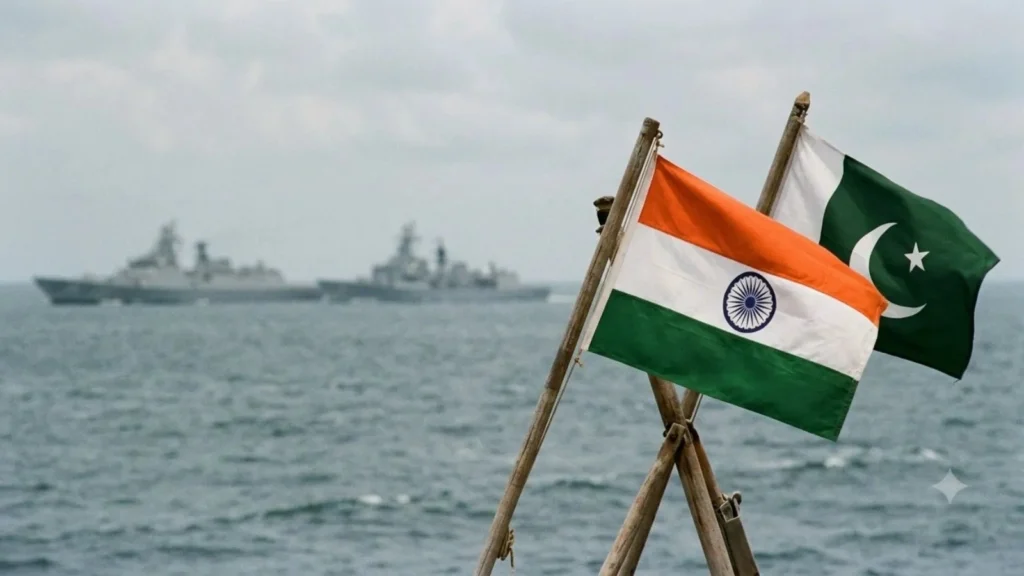
On June 18, 2026, the Strait of Hormuz reopened as US President Donald Trump and Iranian President Masoud Pezeshkian electronically signed a 14-point memorandum of understanding, thus ending 110 days of war. Pakistan and Qatar mediated the document. The signing was announced to the world by Pakistan’s Prime Minister on June 15, confirmed within minutes by Trump on Truth Social, and formalized in Geneva three days later. One hundred and ten days after the US and Israel launched coordinated strikes on Iran on February 28, the guns stopped.
The 14-point MOU declares the immediate and permanent termination of military operations on all fronts, including in Lebanon. It commits both sides not to initiate any war or military operation against each other and to respect each other’s sovereignty and territorial integrity. On the Strait of Hormuz, Iran agreed to allow safe passage of commercial vessels toll-free for 60 days, with commercial traffic starting immediately and full demining to be completed within 30 days. One-fifth of the world’s oil supply was blocked for 110 days. It moves again from today.
The signing had an immediate impact on the economy. Oil prices fell sharply on the news. The reopening of Hormuz would save Pakistan from a hefty energy import bill, as the country depends on imports for 85% of its energy requirements. For the global economy, the IEP estimated that the Iran war cost the world $21.8 trillion in violence-related economic damage. The MOU does not recover those losses. It stops them from compounding further.
On the nuclear question, Iran reaffirmed that it shall not procure or develop nuclear weapons. The agreement also specifies a minimum methodology of down-blending enriched uranium on-site under IAEA supervision. The full disposition of Iran’s stockpile of highly enriched uranium is deferred to the 60-day final deal negotiations. A senior US official called Iran’s commitment to destroy the enriched stockpile a major win for Washington. Iran can begin exporting oil as soon as the MOU is signed, with the US Treasury issuing immediate waivers for Iranian crude exports, petroleum products, and all associated banking and transportation services.
The US also agreed to release Iran’s frozen or restricted assets, valued at around $100 billion, during the 60-day window, with procedures of release to be agreed upon. A $300 billion reconstruction and economic development fund for Iran is committed under the MOU, with implementation details to be determined in final deal negotiations. Trump clarified the US would not contribute directly to the fund, but that sanctions relief would allow regional partners such as the UAE to invest.
Pakistan’s Role and What It Produced
Pakistan’s mediation is the most significant diplomatic achievement in the country’s history. From the first ceasefire brokered in April, through two rounds of Islamabad Talks, through multiple breakdowns including the May 7 firefight in the Strait, through the final text carried between Washington and Tehran by Pakistani channels, Islamabad held the process together when every other mechanism failed.
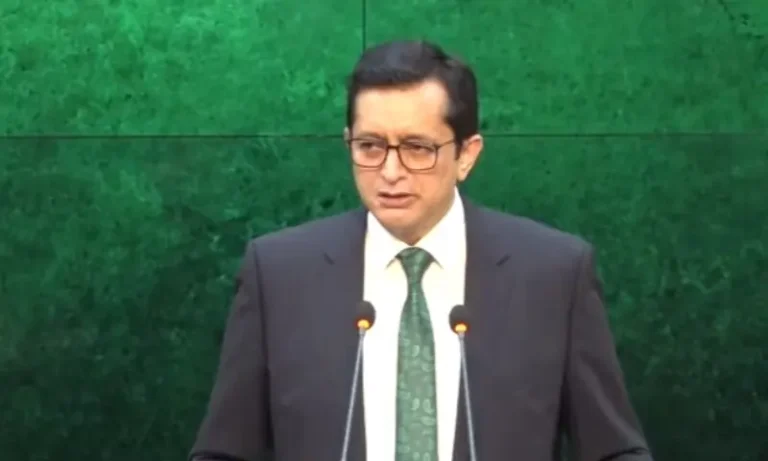
Pakistan’s Foreign Minister described the deal as a significant breakthrough that provides much-needed confidence and stability to global markets, and thanked Saudi Arabia, Qatar, and Turkey for their support. China’s Foreign Ministry commended the agreement and expressed appreciation for the mediation efforts of Pakistan. Immediate statements of welcome were released by Kuwait, Turkey, and the UK. The G7, meeting in France during the signing, issued a declaration calling the deal a historic opportunity. Pakistan’s name was in most of those statements.
What Remains Unresolved
The MOU is not a final deal. It is a framework for producing one. The 60-day period has now begun for discussions of Iran’s entire nuclear program, the long-term nature of Hormuz passage, how long the moratorium on enrichment will last, ballistic missiles, and the order of sanctions relief. Trump said at the G7 that if the final deal is not concluded in 60 days, he would return to bombing. Iran’s position is that final deal negotiations begin only after the US has implemented its MOU commitments. Both timelines create pressure. Neither guarantees the final deal will arrive before the window closes.
Lebanon continues to be the weakest link. The MOU covers Lebanon explicitly, requiring Israel to terminate its war there. Israel is not a party to the agreement. US officials confirmed they remain skeptical about Israeli compliance and that Israel is preparing for what happens if Iran does not make concessions in the final deal. Each Israeli attack in Lebanon is a possibility for the Iranian pullout from the process.
The war is over. The Strait is opening. Oil is moving. Pakistan was able to broker what the world claimed was impossible to broker. The next 60 days will decide the fate of June 18, whether it is the day the war ended or the day the next negotiation began.

Our Editorial Desk is the intellectual engine of Digital Debate, responsible for the rigorous research that anchors every conversation. Our team deep-dives into data, checks every source, and consults academic literature to move beyond headlines and identify the questions behind the questions.