
The US Federal Reserve has raised its main interest rate by 0.25%, taking it to 3.75% to 4.00% in its first hike since 2023. The Fed says this step is needed to bring down high inflation, pushed up by rising oil prices because of the US-Israel war on Iran. It also expects at least one more small hike this year, with rates likely to move toward about 4.1% by end-2026.
For Pakistan, the first effect is on the value of the rupee and the cost of future foreign loans, not on debt that is already fixed. When US rates go up, the dollar usually gets stronger and investors move money toward US assets, which can put pressure on currencies like the PKR and make new dollar borrowing more expensive. Because of this, the State Bank may soon have to choose between allowing more rupee depreciation or raising its own policy rate by 0.50% to 1.00% to support the currency and control inflation.
Some good news: part of Pakistan’s near-term external debt is safe. The $3 billion Eurobond issued in September is already locked in, so its interest cost will not change because of this US hike. Over time, though, higher global rates and a stronger dollar can make new foreign loans costlier and slowly increase the burden of debt repayments on future borrowing. Some experts say the direct hit from a single 0.25% hike is small, but they warn that repeated tightening and a weaker rupee can add up and hurt the budget.
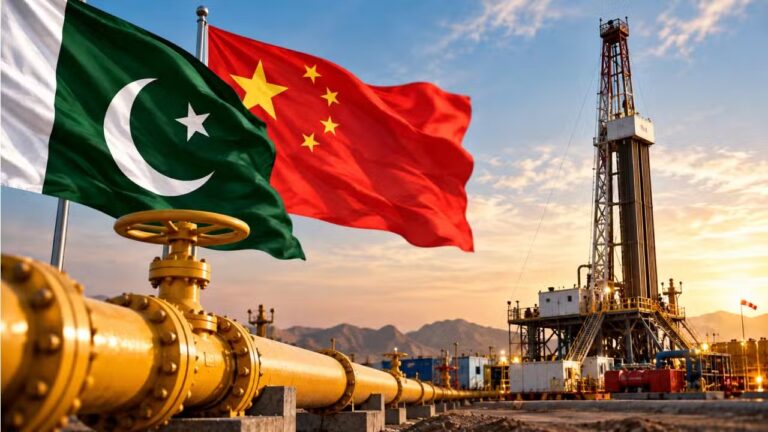
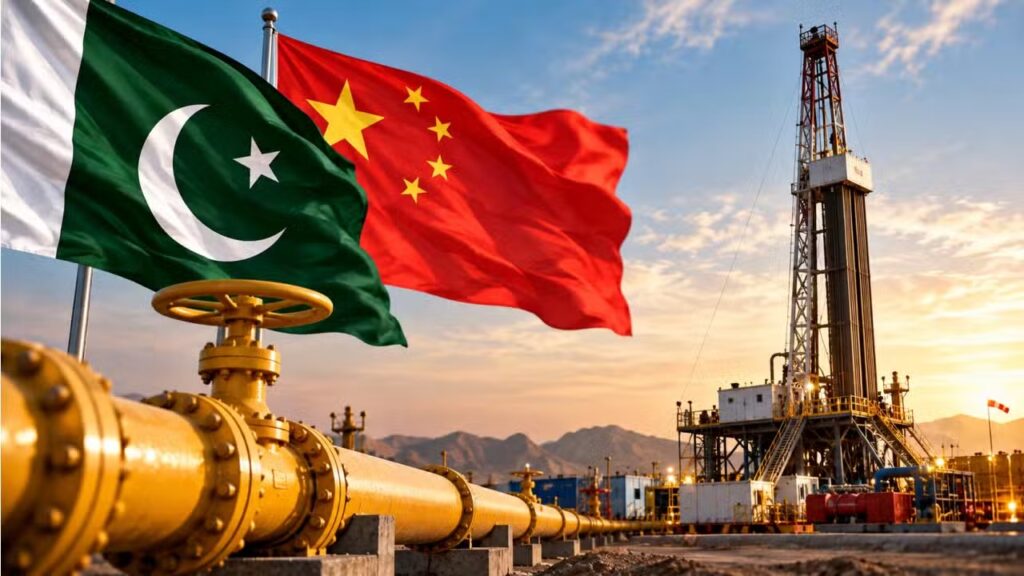
The bigger risk for Pakistan is high oil prices, not the Fed’s small rate increase. If crude stays expensive or rises further due to Middle East tensions, Pakistan’s fuel import bill will grow, the trade gap will widen, and imported inflation, especially on petrol, transport, and food, could push already high price growth even higher. For families, this means costlier petrol, electricity, and groceries. For businesses, it means higher input costs and tighter credit.
So far, markets have reacted in a mixed way. The US dollar rose to a seven-week high and US stocks closed lower, while several Asian indices and the Pakistan Stock Exchange opened in the green. Going ahead, watch three things: the State Bank’s next rate decision, the path of oil prices and the rupee, and any signs of money moving out of local assets into higher-yielding US bonds.
For ordinary people, the message is simple: if the rupee falls and oil stays expensive, daily expenses will rise faster. If the central bank raises rates sharply, loans for homes, cars, and business expansion will become more costly.

Our News Desk represents a rapidly expanding frontier in contemporary journalism, focusing on the intersection of technological advancement, geopolitical narratives, and the shifting dynamics of public information.