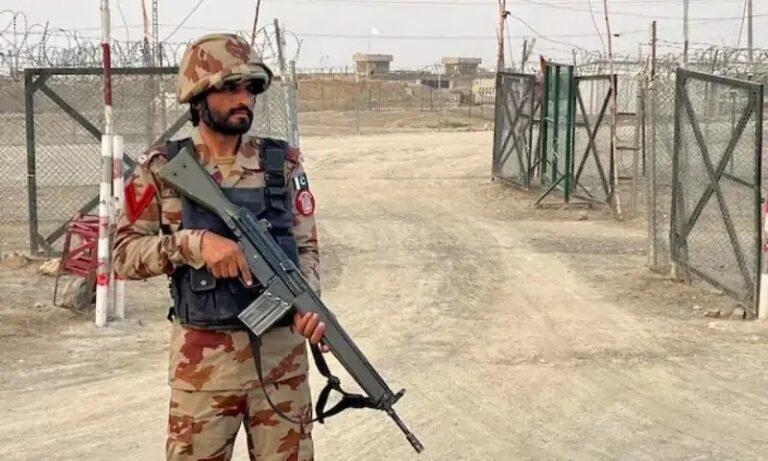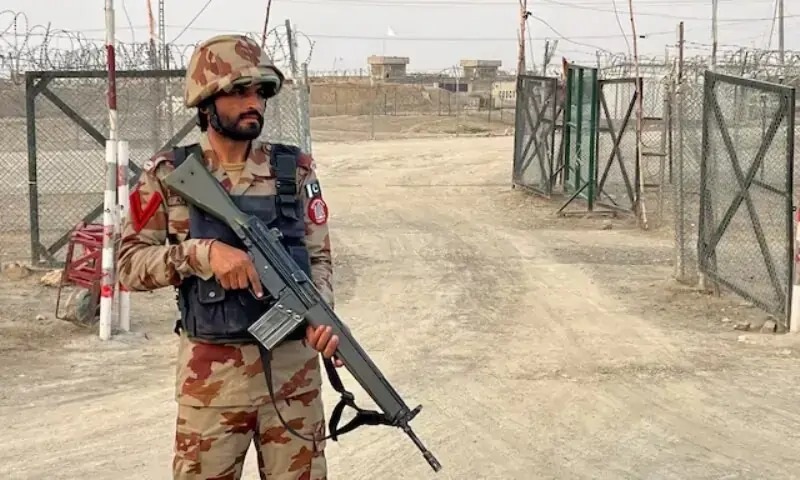

ISPR Director General Lt. Gen. Ahmed Sharif Chaudhry said Thursday that Pakistan will go “to any extent” to defend Saudi Arabia, describing the commitment as “unconditional” in an interview with Arab News. He said the pledge covers protection of Islam’s holiest sites in Makkah and Madinah, rooted in what he called a “deep-rooted, historical and unbreakable bond” between the two nations.
The statement follows intensified Houthi attacks on Saudi territory and this week’s disputed claim by the Saudi-led coalition that a Houthi drone targeted Makkah, an accusation the Houthis deny. DG ISPR said Pakistan’s political and military leadership remains in continuous contact with Saudi counterparts, and that Islamabad is working with regional partners toward a “negotiated, peaceful outcome.”
On US-Iran tensions, Chaudhry referenced Wednesday’s phone call between Field Marshal Asim Munir and Iranian Foreign Minister Abbas Araghchi, calling the June Islamabad memorandum of understanding “the only real pathway forward” for de-escalation. He gave no timetable for resuming US-Iran talks.
The remarks build on two earlier pacts: the September 2025 Pakistan-Saudi Strategic Mutual Defense Agreement and the August 2025 Makkah Defence Alliance with Turkiye, under which an attack on one member is treated as an attack on all. Pakistan currently heads the alliance’s secretariat.
Separately, Foreign Office spokesperson Sajjad Haider Khan reaffirmed Pakistan’s commitments to Saudi security but stressed a preference for dialogue and diplomacy over coercive measures in addressing the Houthi threat, declining to detail any operational response.

Our News Desk represents a rapidly expanding frontier in contemporary journalism, focusing on the intersection of technological advancement, geopolitical narratives, and the shifting dynamics of public information.