
Islamabad, September 15, 2026 — Lebanon’s Interior Minister Ahmad al-Hajjar concluded a two-day official visit to Pakistan on Monday, marked by high-level meetings and the signing of an agreement on the transfer of sentenced persons. The visit signals a shift from symbolic solidarity to structured security cooperation between the two countries.
Al-Hajjar’s schedule was packed. He met Prime Minister Shehbaz Sharif, with Foreign Minister Ishaq Dar, Interior Minister Mohsin Naqvi, Housing Minister Riaz Hussain Pirzada, and Minister of State for Interior Talal Chaudhry also present. He held separate talks with President Asif Ali Zardari and with Dar at the Foreign Office. At GHQ in Rawalpindi, he met Army Chief Field Marshal Asim Munir to discuss regional security and the prospects for deeper bilateral ties. He also visited the Pakistan Monument and Islamabad Police Lines.
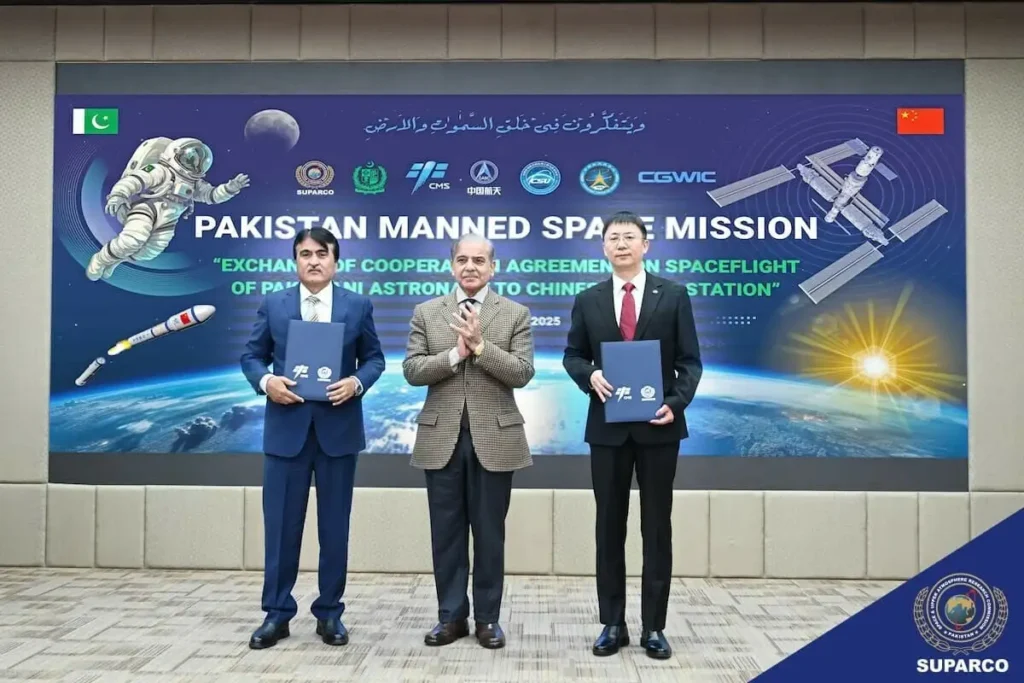
The centerpiece of the visit was the signing of an MoU on the Transfer of Sentenced Persons, inked by interior ministers Mohsin Naqvi and Ahmad al-Hajjar with Prime Minister Sharif present. The agreement gives convicted nationals of either country a legal path to serve the rest of their sentence at home instead of abroad. It’s meant to ease the legal and consular burden on families and authorities on both sides. The text doesn’t specify how many prisoners could benefit or when transfers will begin.
Both countries also agreed to widen cooperation on interior and security matters more broadly. This includes intelligence sharing between interior ministries and joint efforts against terrorism, drug trafficking, illegal immigration, money laundering, and cybercrime. Officials framed the push as an effort to move Pakistan-Lebanon relations from rhetoric to operational collaboration on the ground.
During his meeting with Sharif, Pakistan condemned Israeli aggression against Lebanon and reaffirmed its support for Lebanon’s sovereignty and territorial integrity, describing it as unwavering solidarity with Lebanon’s leadership and people amid the ongoing conflict in the Middle East. Dar separately called the MoU an important milestone in bilateral legal cooperation while restating Pakistan’s steadfast support for Lebanon’s unity and sovereignty.
This was one of the highest-level Lebanese interior engagements with Pakistan in years, a visit that comes after a long gap between the two countries at this level. Combined with the GHQ meeting and the detailed interior-to-interior talks, it lays the groundwork for sustained security and law-enforcement cooperation, not just another round of diplomatic statements.

Our News Desk represents a rapidly expanding frontier in contemporary journalism, focusing on the intersection of technological advancement, geopolitical narratives, and the shifting dynamics of public information.