A review of eleven months of coverage of Pakistan’s strikes in Afghanistan finds one-way headline revisions at Al Jazeera, unattributed Taliban figures at AP, and a UN finding the international wires leave out.
On the morning of 24 September, Al Jazeera reported Pakistan’s latest strikes in Afghanistan under a headline that led with Pakistan’s statement and noted that local officials in Khost reported no casualties. By the evening, the same article led with Kabul’s promise of retaliation and a Taliban death toll stated as fact. Updating a developing story is routine. What is not routine is that this was the fourth such revision at Al Jazeera this year, and all four moved in the same direction. This review examines the headlines and copy on the fighting from 12 October 2025 to 24 September 2026. Most of the coverage is careful, but at two outlets the same editorial choices recur often enough to form a pattern.
The Baseline
One question sits at the root of the fighting: whether the Pakistani Taliban (TTP) operate from Afghanistan with the support of the Taliban administration. The United Nations has answered it.
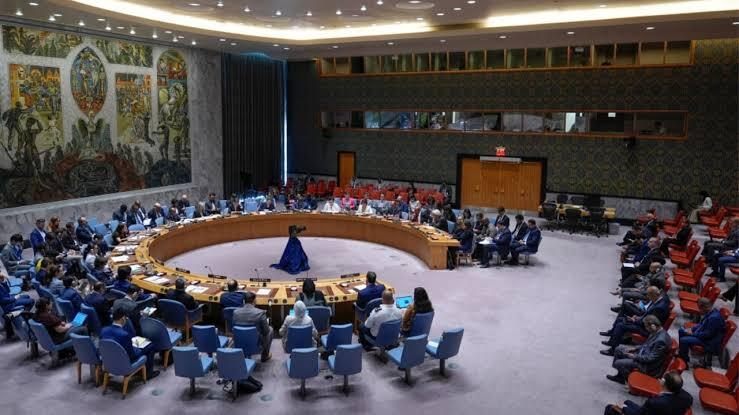
The UN Security Council’s Analytical Support and Sanctions Monitoring Team is the independent panel established by the Council under resolutions 1526 (2004) and 2253 (2015). The Council unanimously renewed its Taliban mandate in February under resolution 2816 (2026). Its reports are issued as official Council documents, and three of them in nine months address this question.
The first, S/2025/796, issued on 8 December 2025, notes that the Taliban deny any terrorist group operates in or from Afghanistan. The Team’s answer is direct: “That claim is not credible.” The report records that the TTP has conducted numerous high-profile attacks against Pakistan from Afghan soil. It cites continued Taliban harbouring of the TTP leadership and ongoing facilitation of its operations. The Team engaged with the Taliban directly in preparing its work, meeting their representatives abroad and visiting Kabul.
The February report, S/2026/44, found that the TTP “was accorded greater liberty and support from the de facto authorities”. The August report, S/2026/651, found that the de facto authorities “continued their support to the Tehrik-e Taliban Pakistan”, which escalated attacks against Pakistan and provoked military exchanges.
These reports are standard reference material for serious institutions. The House of Commons Library, briefing British MPs, drew on successive Monitoring Team reports for its account of the links between the TTP and the Afghan Taliban.
This is the settled assessment of the Security Council’s own monitors, formed with Kabul’s case in view. It is the only point in this piece about events on the ground, and it is the standard against which the coverage below is measured.
Al Jazeera: Four Rewrites, One Direction
Headlines change as stories develop. Every headline revision this review found at Al Jazeera over this period moved the same way.
On 22 February, Al Jazeera English announced its report under the headline “Pakistan carries out strikes in Afghanistan after Islamabad suicide attack”. The same URL now reads “Afghanistan promises ‘appropriate response’ after deadly Pakistani strikes”. Pakistan’s stated cause left the headline, and Kabul’s response took its place.
On 27 February, the URL preserves the first version, which stated that Pakistani warplanes had bombed Kabul as clashes intensified. The headline now reads “‘Open war’: Pakistan and Afghanistan’s Taliban claim major casualties”.
On 14 March, the URL preserves a headline stating that Pakistan had struck an Afghan base after its president warned a red line had been crossed. The headline now reads “Pakistan says it conducted new strikes at Afghanistan’s military facilities”. Pakistan’s action moved from fact to claim.
On 24 September, the first version ran under the headline “Pakistan says it launches air strikes on Afghanistan after drone attacks”. Its standfirst reported that the Khost governor’s office said the strikes caused no casualties. The same URL now reads “Afghanistan vows to respond after Pakistani air strikes kill four”. The figure comes from the Taliban’s spokesman and appears in the headline as fact.
Each change can be defended on its own terms. Taken together, they point one way.
The verbs follow the same line. On 10 June, Al Jazeera headlined “Pakistan claims killing 26 Afghan fighters; Taliban says civilians killed“. Two governments made statements about the same night, and the verb of doubt went to one of them. In February, the headline was “Pakistan claims at least 70 fighters killed in strikes along Afghan border“.
Every Al Jazeera revision found either replaced Pakistan’s account with Kabul’s or turned a Pakistani action from fact into claim. In its headlines reviewed, “claims” was attached to Pakistan alone twice, to both governments once, and to Kabul alone never.
The Associated Press: Figures and Titles
AP’s headlines are often balanced. Its habits are narrower, and they recur.
Kabul’s figures enter the headline unattributed. On 12 October 2025, AP headlined “Afghanistan kills dozens of Pakistani soldiers in cross-border attack, Taliban government says“. The headline was built on the Taliban’s count of 58 Pakistani dead; Pakistan’s own figure was 23.
On 29 June, AP headlined “Pakistani airstrikes kill 36 civilians in Afghanistan and wound 160, officials say“. The copy identified the source as Afghan officials. The headline did not, so a reader who stopped there received the Taliban’s figure as the event.
The Taliban’s spokesmen carry government titles. On 21 September, AP identified Hamdullah Fitrat as the Afghan deputy government spokesperson. On 24 September, its copy described Zabihullah Mujahid as the Afghan government spokesperson. The UN’s own documents refer to the de facto authorities.
The chronology starts with Pakistan’s response. AP’s report in January placed the start of the border violence at the 9 October explosions in Kabul, which the Taliban blamed on Pakistan. Its 21 September copy dated the fighting to February, when Afghanistan retaliated for Pakistani airstrikes.
The record starts earlier. In August 2025, the Pakistan Institute for Conflict and Security Studies recorded 143 militant attacks, the deadliest month in more than a decade. On 16 February, a week before the strikes that opened the February fighting, a vehicle bomb in Bajaur killed 11 security personnel and a child. The Monitoring Team’s August report records that the TTP claimed the attack and was reportedly operating from Afghanistan.
Pakistan’s figures get the harder verb. The same 21 September copy reported that Pakistani officials claimed 28 of them were killed, while Kabul’s figure was introduced with a plain “said”.
At AP, the recurring habits are Kabul’s figures in headlines without their source, government titles for the Taliban’s spokesmen, and a chronology that begins with Pakistan’s response.
Getting It Right
The standard is already met, sometimes by the same newsrooms that miss it elsewhere.
On 21 September, NBC News reported Kabul’s casualty figure and noted that the UN had confirmed it. That is attribution and verification in a single line.
Reuters’ updated report on the 25 November Khost strike led with the source: “Afghanistan says 9 children killed in Pakistani air strikes, vows to respond”.
AP’s own 21 September headline gave both governments the same verb, and its copy recorded the Kohat and Hangu attacks that preceded the strikes.
Correct practice is not an unreasonable demand. It already appears in the wire copy of the outlets reviewed.
The Shared Gap
No article in the review that raised the question of sanctuary cited any of the Monitoring Team’s three reports. The question appears instead as a dispute between two governments. France 24 described it as “a claim Kabul’s Taliban government denies”. AP’s 21 September copy attributed the sanctuaries to Pakistan’s description.
The reports themselves were covered by Dawn, The Express Tribune and Amu TV. This review found no standalone report on any of them from Reuters, AP, AFP, the BBC or Al Jazeera.
Material used to brief a parliament is absent from the background paragraphs of the wires. This is a gap in the record rather than a slant, and it is the easiest of the failures to fix.
Bottom Line
The record shows three recurring patterns and one industry-wide gap. In Al Jazeera’s coverage, every headline revision reviewed moved away from presenting Pakistan’s account or actions as fact. The word “claims” was attached to Islamabad twice, while Kabul was never treated in the same way. In The Associated Press’s coverage, figures from Kabul appeared in headlines without always identifying their source, Taliban spokesmen were described using government titles, and the chronology often began with Pakistan’s response rather than the preceding events. Across the outlets reviewed, another gap was the limited use of findings from the UN Security Council’s own monitoring reports, including assessments that questioned the credibility of Taliban denials and documented continued TTP activity from Afghan territory.
The fixes are narrow and do not require newsrooms to take Pakistan’s side. The same reporting standards should be applied to both governments, with casualty figures attributed by name in headlines, the UN Security Council Monitoring Team’s findings cited whenever claims about militant sanctuaries are discussed, and the attack or incident that preceded each strike clearly identified in the reporting. NBC, Reuters and AP’s strongest reporting already demonstrates that these standards are achievable. The objective is not to favour one side, but to ensure that coverage reflects what the UN’s own monitors have established alongside the competing claims made by the parties involved.
Read more: https://digdebate.com/pakistan-strikes-terrorist-hideouts-afghanistan/

Dan Qayyum
Dan Qayyum is a writer, media strategist, and long-standing advisor to government institutions and media organizations across the region. His work explores the intersections of geopolitics, military doctrine, and regional transformation. His upcoming book, The Other Side of Endurance, examines his own journey through crisis, resilience, and reinvention.