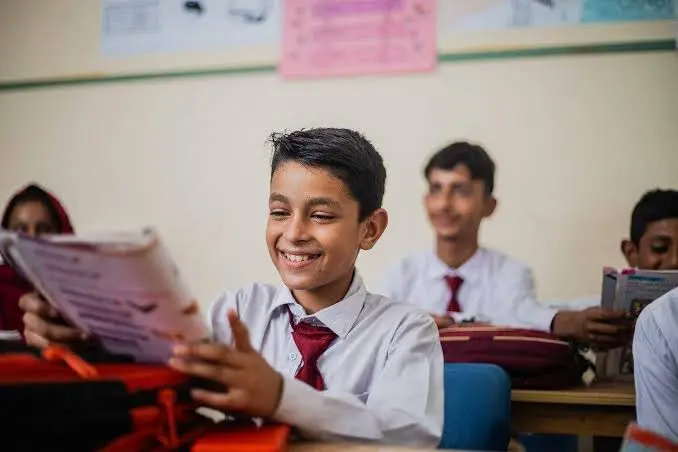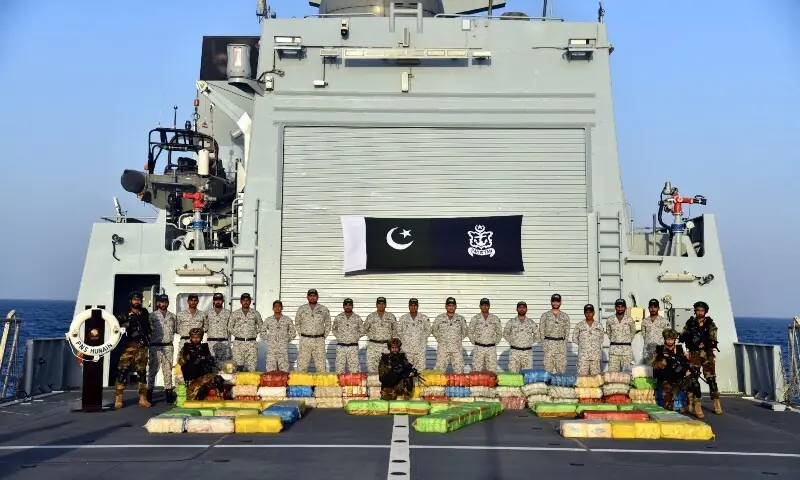
There is a greater scope for cooperation between Pakistan and Afghanistan in different sectors. Being a non permanent member of the UN Security Council, Islamabad can play an active rule in the recognition of the Taliban regime. It can also help in improvement of educational and health facilities in the war-ravaged country. Pakistan has already established Nishtar Kidney Centre (NKC) in Jalalabad and 200 bedded Jinnah Hospital in Kabul. Pakistan can also help Afghanistan in restoration of irrigation channels, power generation stations and training of doctors and engineers.
There is an enormous potential for enhancing bilateral trade between the two neighboring countries. Afghan farmers can easily export vegetables, fresh and dry fruits to Pakistan. Being a land locked country, Afghanistan can do trade with the rest of the world through Pakistani ports. It was availing this facility till last year when Pakistan closed its border due to growing number of terrorist acts from across the border. Pakistani ports are easily accessible to Afghan traders and businessmen.
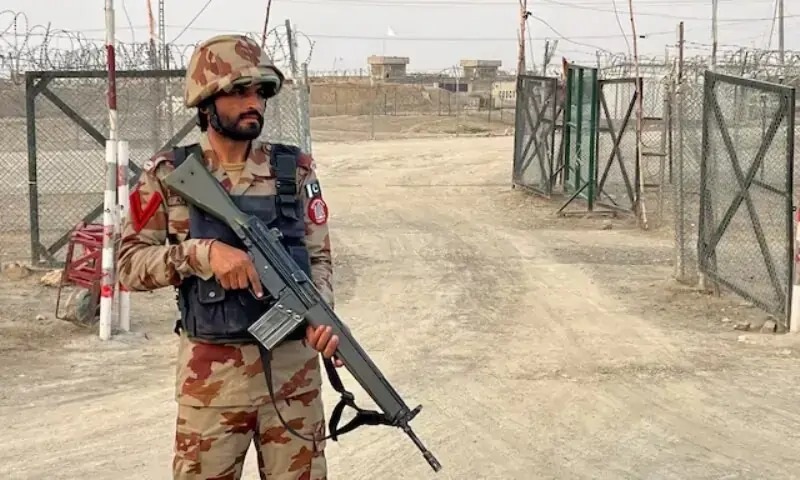
Similarly, Islamabad can use Afghan territory to do trade with the Central Asian States. However, peace and tranquillity on the border is prerequisite for achieving these cherished goals. Unfortunately, there is no peace and stability at the border since the Taliban regained power in 2021.
Pakistan-Afghanistan relations have suffered deadly after shocks when the Afghan Taliban returned to power in the wake of the US and NATO troops withdrawal from the country. Pakistan welcomed the Taliban regime with the hope that this will result in improvement of ties between the two countries. The then Prime Minister Imran Khan said that the Afghan people had “broken the shackles of slavery.” Lieutenant General Faiz Hameed, the then-Director General of Pakistan’s Inter-Services Intelligence (ISI), visited Kabul in September 2021 to hold talks with the Taliban leadership. But this proved as a mirage. Instead of improvement, Kabul-Islamabad ties further deteriorated.
The main problem is the safe heavens of terrorists on Afghan soil. But the Taliban regime is not cooperating in this regard. It declined to stop TTP from conducting subversive activities in Pakistan. The number of terrorist acts sharply increased as compared to 2020. At least 40 major terror acts were recorded from 15th August to 30th December 2021, causing about 100 causalities. This figure further increased in the coming years-reaching all time high level in 2026. Causalities from terrorism are now at the highest level since 2013. Pakistan recorded the highest score on the Global Terrorism Index. 1,139 people lost their lives in 1,045 terror related incidents.
Tehrik-e-Taliban Pakistan (TTP) and Baluchistan Liberation Army (BLA) having safe heavens in Afghanistan, conducted terrorist acts. According to the UN Report on Afghanistan of 24th July 2025, TTP has about 6,000 fighters and continued to receive substantial logistical and operational support from the Afghan de facto authorities. The Taliban regime has given them access to the most modern weapons left by the US and NATO troops in Afghanistan.
TTP is operating training centres in Kunar, Nangarhar, Khost, and Paktika provinces. al-Qaida camps in Nangarhar, Kandahar, Kunar, and Nuristan provinces. Its militants are also getting training in al-Qaida camps in Nangarhar, Kandahar, Kunar, and Nuristan provinces.
There are also close cooperation and coordination between BLA (including its Majeed Brigade) and TTP in southern Afghanistan. They are jointly running four training camps in Wali Kot and Shorabak areas of Afghan Kandahar province. The TTP share its skill in suicide bombing with the BLA.
Islamabad repeatedly asked the Taliban regime to control terrorist groups in Afghanistan or handed those wanted to Pakistan. But the Taliban are not ready to do so. This left no other way to Pakistan except to bomb terrorist hide outs in various parts of Afghanistan. The two countries have so far failed to overcome their differences viz-a-viz terrorism.
India has increased engagement with the Taliban regime. It has reopened its embassy in Kabul. Taliban leaders including their Foreign Minister Maulvi Amir Khan Mutaqqi have visited India which has strategic interests in Afghanistan. It is providing financial and technical support to the Afghan based terrorist groups to destabilize Pakistan. According to Defence Minister Khawaja Asif, Taliban have become India’s proxy force and are waging New Delhi’s war against Islamabad. This has been admitted by Indian writer Avinash Paliwal. Quoting Indian secret service officials, Avinash Paliwal writes that “we gave Baloch everything, too from money to guns…everything.”
The Taliban after regaining power also started reviving historical claim to Pakistani territory. The Taliban Deputy Foreign Minister Sher Mohammad Abbas Stanikzai says that “We have never recognized Durand and will never recognize it, today half of Afghanistan is separated and is on the other side of the Durand Line.” He added that visas and passports to travel “to Pakistan” is not acceptable to Afghan people.
His views were also endorsed by Taliban Foreign Minister Amir Khan Muttaqi. He said the Taliban regime cannot make any decision about the status of Pakistan-Afghanistan. Similar views were also expressed by Taliban Minister of Borders and Tribal Affairs, Noorullah Noori. He says that “We do not have a formal border with Pakistan and do not have a zero point with Pakistan. This [Durand Line] is an imaginary line between us.”
Return of Afghan refugees have further aggravated the situation. Pakistan is deporting all those Afghan nationals who have no valid travelling documents i.e. passport and visa. Pakistan launched Illegal Foreigners’ Repatriation Plan (IFRP), in 2023 to clear its soil from illegally staying foreigners. It has sent back more than 2.6 million Afghans to their native country during the last three years. Taliban leaders are criticizing Pakistan for expulsion of Afghan refugees.
Afghan traders have misused transit facility and the goods imported to Afghanistan were smuggled to Pakistan. These goods include cloth, cosmetics, electronics, and second-hand vehicles. Millions of cars have already been smuggled to Malakand Division and tribal districts. As customs laws have not been fully implemented in Malakand Division and tribal districts, therefore, these two regions have become major hubs of the smuggled vehicles. These areas are flooded with smuggled vehicles locally known as “Kabuli cars.” The prices of these vehicles are much lower as no custom duty has been paid.
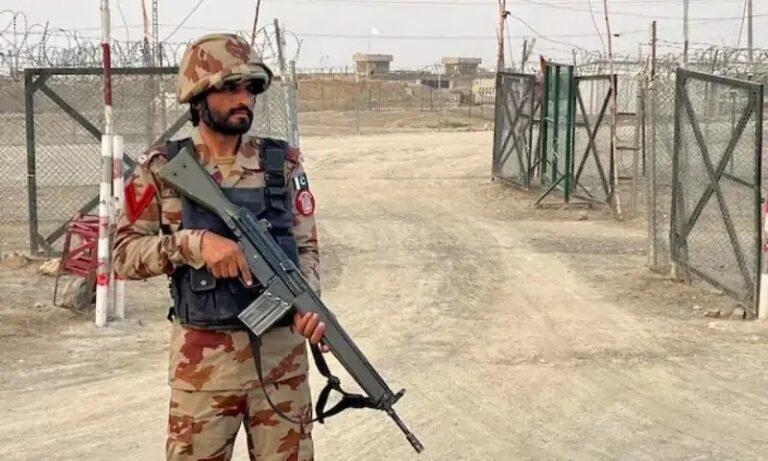
Trade between the countries is at zero level. Pakistan closed its border crossing points with Afghanistan in October 2025 to control terrorism and illegal border crossing following deadly clashes along the border. Qatar, Turkey, and China arranged talks between the two countries, but the Taliban refuse to promise in black and white that they will not allow terrorist groups to conduct terrorist attacks in Pakistan.
Islamabad has categorically said that its relations with Kabul will not normalize until cross-border terrorism is eliminated. As Pakistan has adopted zero tolerance policy about terrorism, therefore, normalization of ties with Kabul is out of questions unless the Taliban regime takes practical steps to dismantle terrorist camps. The Taliban regime must address Pakistani grievances seriously otherwise ties between the two countries will not flourish.
Read more:https://digdebate.com/kohat-attack-pakistan-strikes-afghan-border/

Dr. Lutfur Rehman
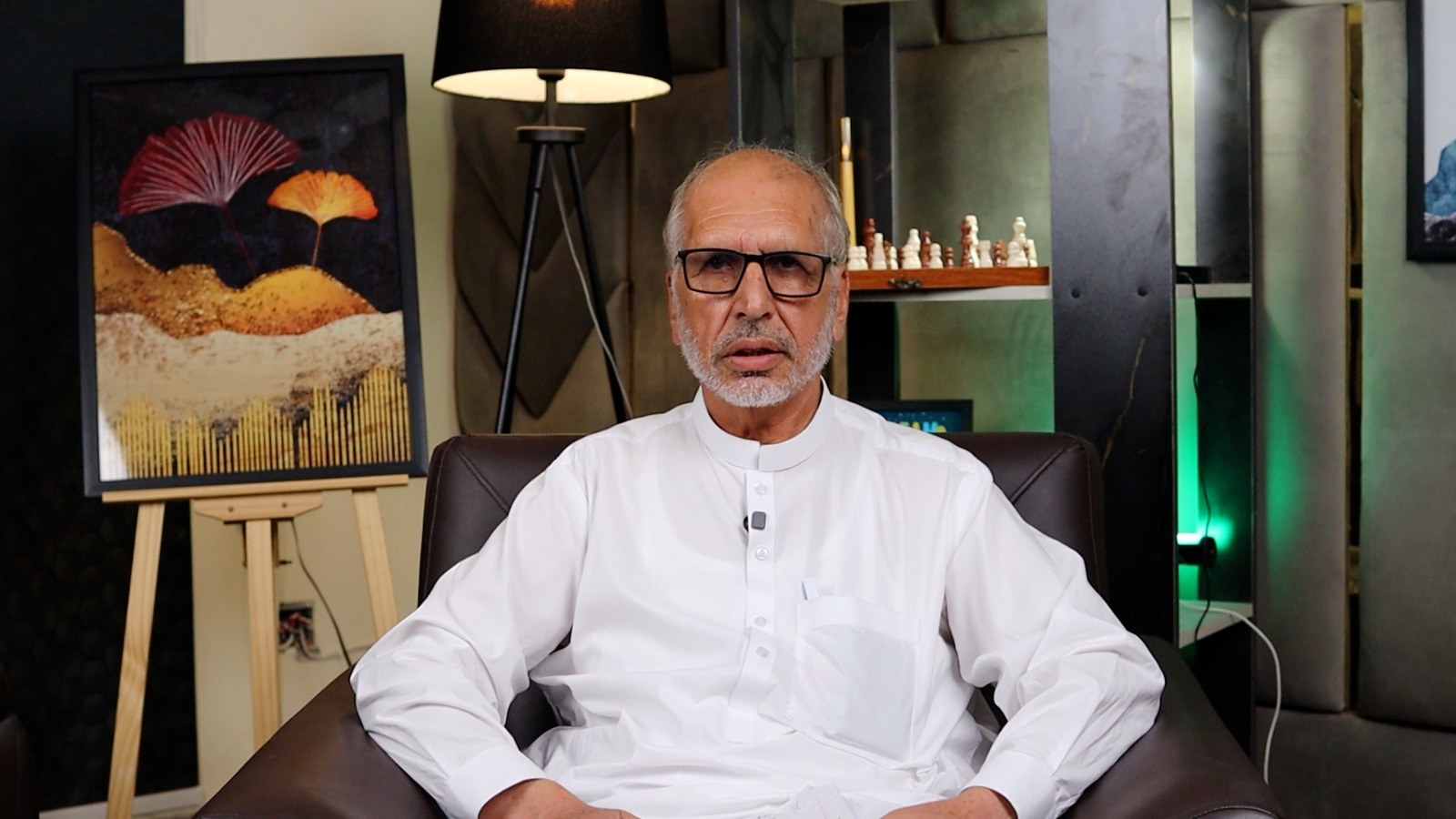
Dr. Lutfur Rahman is a senior research fellow and regional security expert, specialized in Pakistan-Afghanistan relations, FATA/Khyber Pakhtunkhwa governance, and the Durand Line. He wrote Revisiting the Durand Line: Historical and Legal Perspectives, which utilizes extensive archival research (including tens of thousands of British Library documents) to analyze the 1893 agreement.