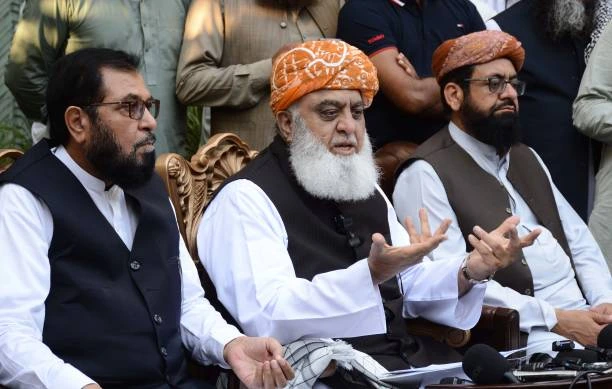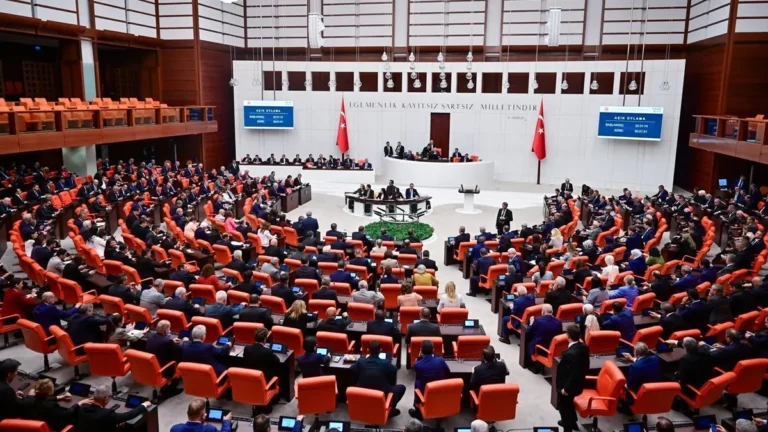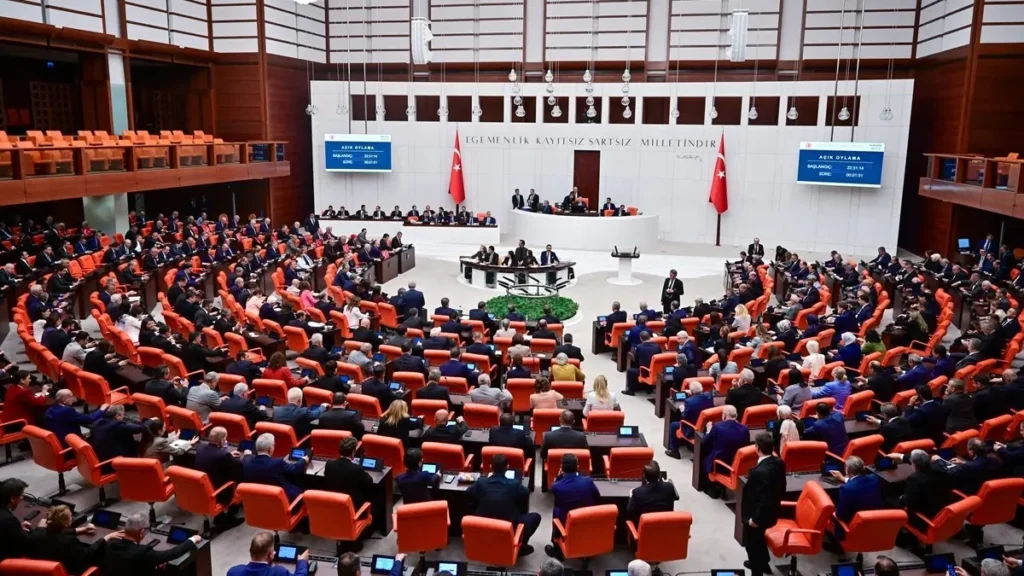

Türkiye’s parliament has ratified the Makkah Joint Defence Agreement by 279 votes to 119, completing Ankara’s approval of the pact. The 16-article pact was signed in Makkah on August 7, it treats an attack on one party as an attack on all. Its signatories were Crown Prince Mohammed bin Salman, President Erdogan and Prime Minister Shehbaz Sharif.
The 16-article agreement runs for 10 years. It covers military coordination, intelligence sharing, joint training and defence industry cooperation. Its secretariat will sit in Saudi Arabia, led by retired Pakistani General Nauman Mahmood for three years. The pact enters into force once ratification documents are deposited with the secretariat.
The key question is what ratification means on the ground. It opens the way for Turkish support to Riyadh amid Houthi attacks. Yet Ankara is signalling caution. Defence Minister Yasar Guler said in October that Ankara foresees no conflict with the Houthis. Foreign Affairs Committee chairman Fuat Oktay called the alliance purely defensive. He added that any troop deployment abroad needs separate parliamentary approval. That caution reflects domestic doubt. Opposition lawmakers raised fears that Turkish forces could be drawn into regional conflicts, and 119 voted against.
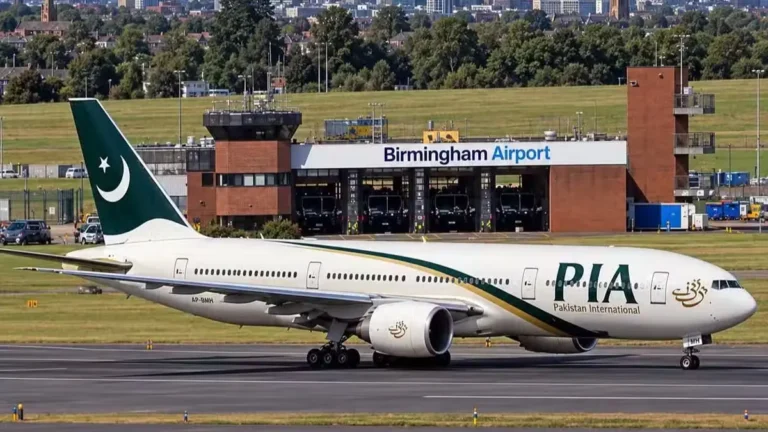
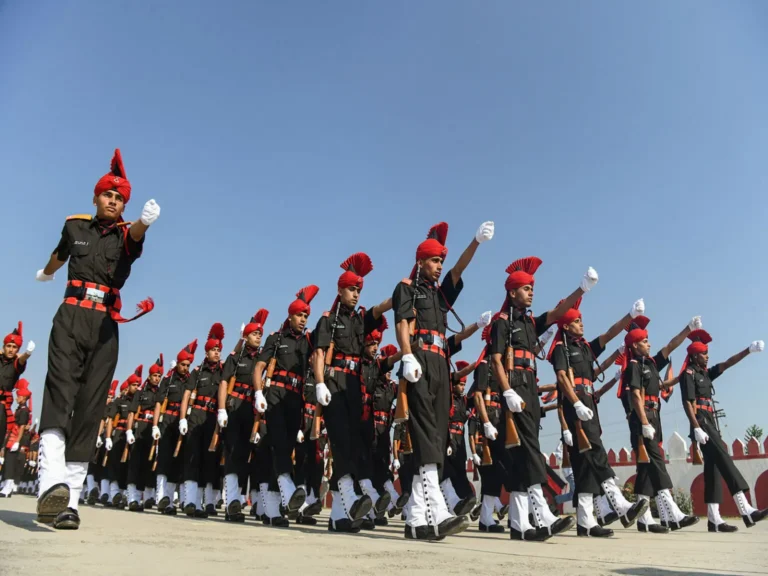
For Pakistan, ratification turns a signed document into a working framework. A Pakistani general at the secretariat gives Islamabad a founding voice in how the pact operates. Its credibility will now depend on how the three states define triggers and share deployment decisions. Until those rules are tested, the pact remains a deterrent signal more than a proven alliance.
Read More: Tehran Talks: Iran Meets Pakistan, Saudi Arabia, Turkiye

Our News Desk represents a rapidly expanding frontier in contemporary journalism, focusing on the intersection of technological advancement, geopolitical narratives, and the shifting dynamics of public information.