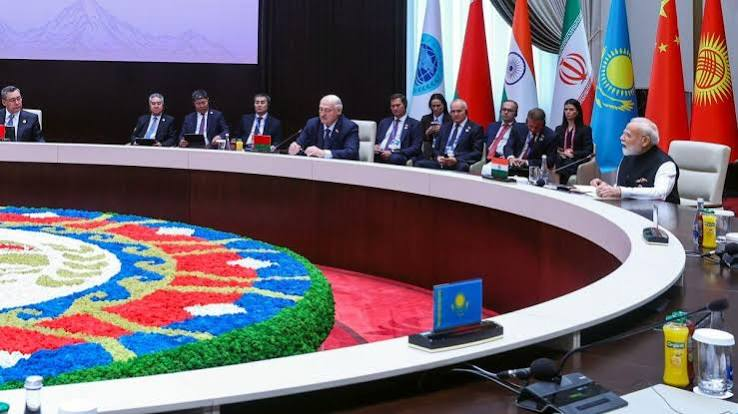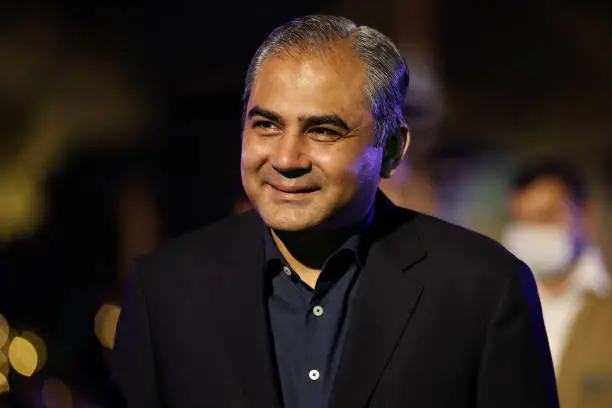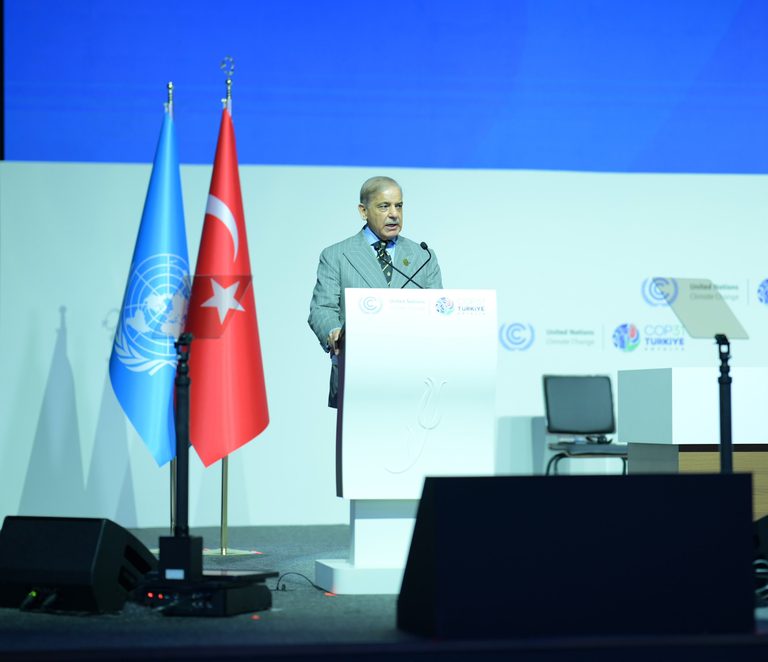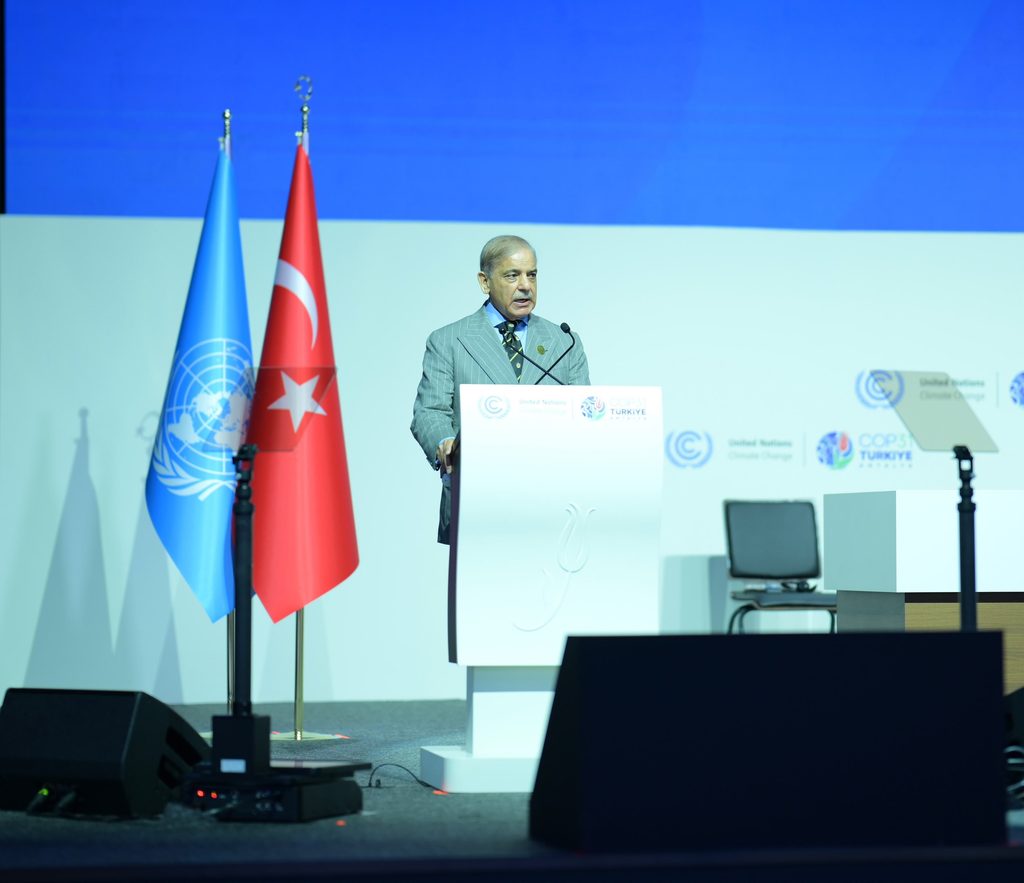

At the eighth Gas Exporting Countries Forum summit in Moscow, Iran argued that the Gulf conflict is an energy-market problem, not just a regional one. Foreign Minister Araghchi said Iran’s energy diplomacy “advanced,” with discussions centred on global gas markets and energy security, and that the devastating impact of any Israel-instigated military misadventure in the Persian Gulf remains a major concern for suppliers and consumers alike. President Pezeshkian urged producers to condemn US and Israeli involvement and unilateral sanctions.
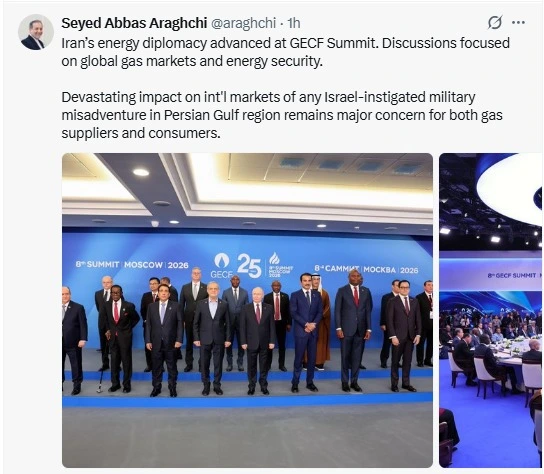
Tehran is trying to turn deterrence into a market argument. The forum holds about 70% of proven gas reserves and 47% of LNG exports, and includes Qatar, whose LNG moves through Hormuz. Telling suppliers and consumers they would pay for a strike targets the capitals that bear the price, while Trump has pledged no attack before the November 3 midterms and rejected Tehran’s latest offer.
The limits are clear. The GECF sets no quotas, and markets also price this month’s reported ship strikes in Hormuz, so Iran is both a victim and a source of the risk. For importers like Pakistan, which Dar says has seen disruptions to its energy supply chains, the warning is real, but a summit statement will not keep gas flowing.

Our News Desk represents a rapidly expanding frontier in contemporary journalism, focusing on the intersection of technological advancement, geopolitical narratives, and the shifting dynamics of public information.