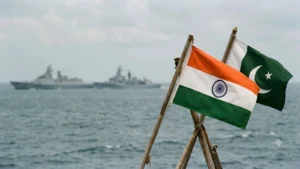
US Reverts Indo-Pacific Command to PACOM in Symbolic Blow to India
The US Department of War announced the Indo-Pacific Command will revert to its former name PACOM, dropping India from America’s key military theatre title.

The US Department of War announced the Indo-Pacific Command will revert to its former name PACOM, dropping India from America’s key military theatre title.

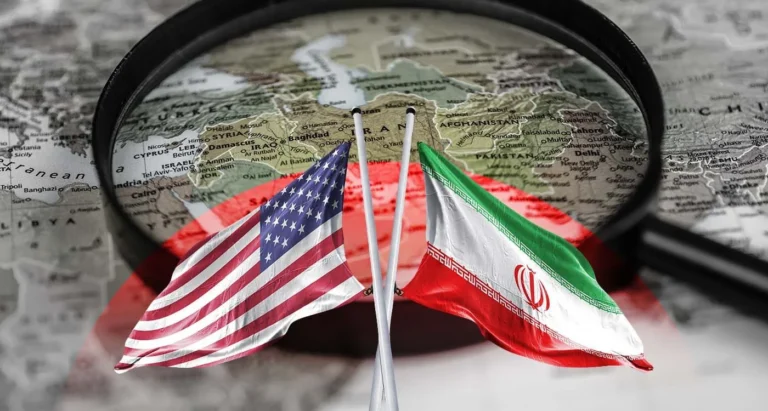
On February 28, the US and Israel launched strikes on Iran; on June 11, Trump announced a great settlement, in between, 105 days changed the Middle East.

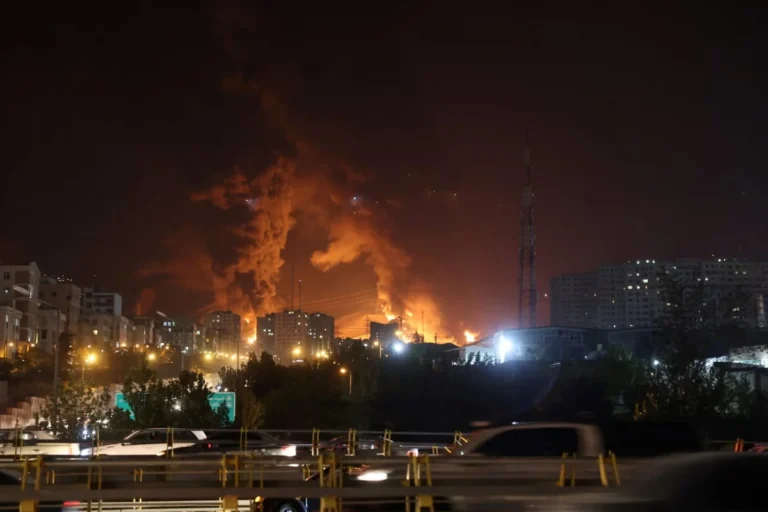
US Central Command launched a second night of strikes on Iran as Tehran hit US bases in Bahrain, Kuwait, and Jordan with fresh missile attacks.

Iran’s IRGC struck 21 US military targets across Bahrain, Kuwait, and Jordan using Kheibar Shekan missiles as direct US-Iran hostilities sharply escalated.

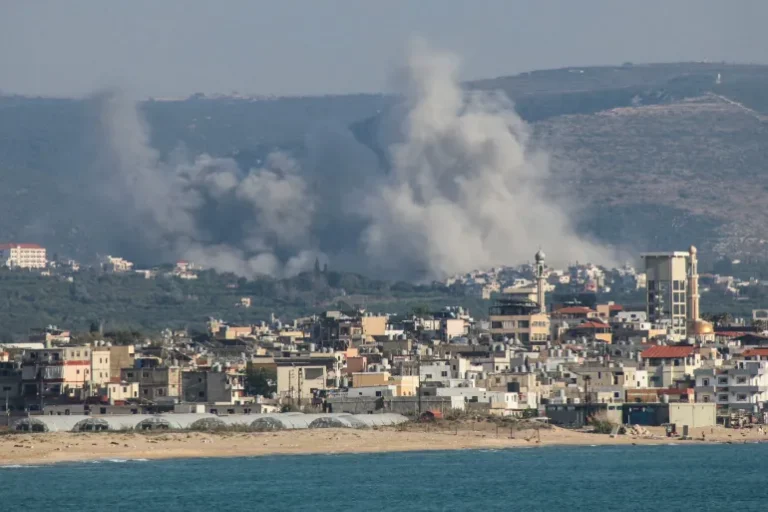
Iran launched multiple missile barrages toward Israel after Israeli warplanes struck Beirut, marking the first direct exchange since the April 8 ceasefire.

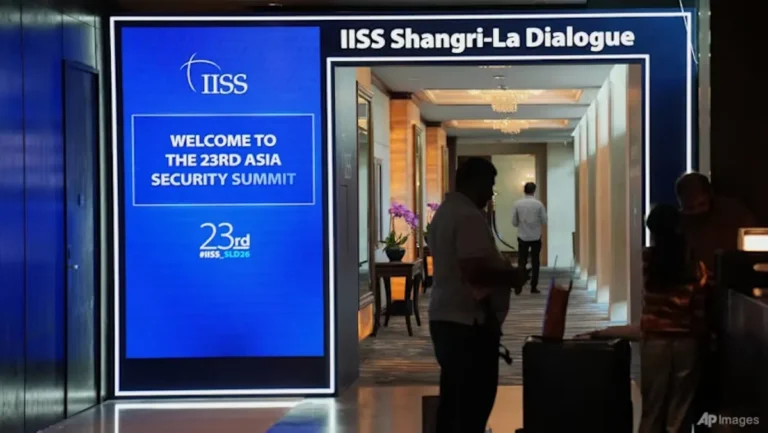
The 23rd Shangri-La Dialogue opened against a backdrop of Middle East tensions, an absent Chinese defense minister, and an America still trying to hold the Indo-Pacific together.

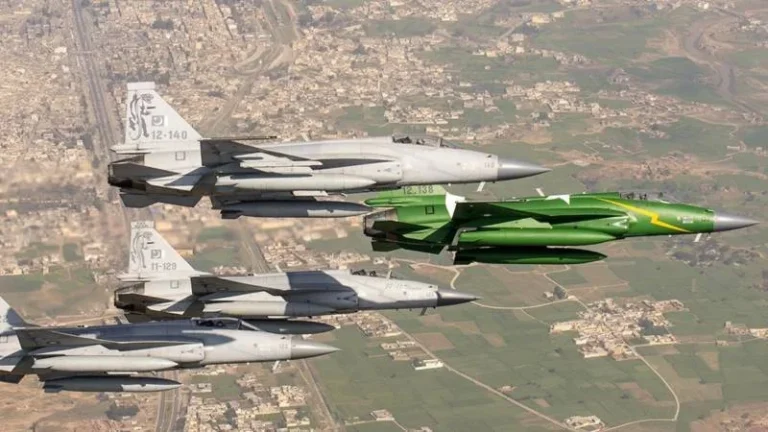
Pakistan demonstrated not only military capability but also diplomatic maturity, political coherence in the battle against India.

The ceasefire is on massive life support as Iran sent its counteroffer; Trump called it totally unacceptable.

One year after Marka-e-Haq, Pakistan marks May 10 not as a military anniversary but as a national reckoning. The unity it produced was as consequential as the operation itself.

Pakistan’s kill chain, AI software, and PL-15 missiles rewrote the rules of air combat in Marka-e-Haq.