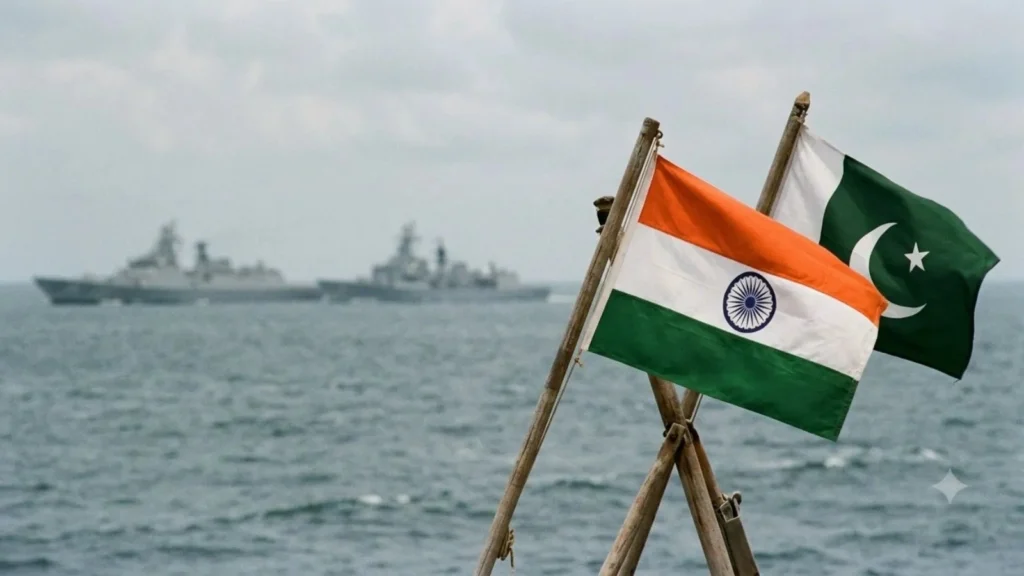
In the aftermath of reported strikes in Kabul and Nangarhar, sharply conflicting narratives have emerged between Pakistan and the Taliban, highlighting the growing role of information warfare in regional conflict.
Taliban officials, including spokesperson Zabihullah Mujahid, have claimed that civilian infrastructure such as hospitals and rehabilitation centres were targeted. However, open-source analysis and geolocation data suggest that several strike locations, particularly in Kabul’s Siah Sang ridge corridor and Shah Shaheed sector, are historically linked to military compounds and defence infrastructure.
Notably, the facility identified in eastern Kabul’s Camp Phoenix military zone appears to be a strategic installation. Established in 2003 and long used for training Afghan forces under US oversight before being handed over in 2014, the targeted structure lies within a dense cluster of military compounds. Satellite imagery and available evidence indicate it is firmly within a defencezone, challenging claims that it functioned as a civilian rehabilitation centre.
Contrary to Taliban assertions that such sites were located 4–5 kilometres away from military targets, available assessments suggest the alleged rehabilitation facility is situated within approximately 1 to 1.5 kilometres of military installations, raising further questions about the civilian-only narrative.
Additional reported targets include weapons depots, military headquarters in Marnjan Tapa, and sites linked to the Ministry of Defence. Reports of secondary explosions and prolonged fires point toward the presence of stored munitions, an indicator consistent with strikes on military logistics rather than purely civilian sites.
Questions also surround casualty figures. Claims of 400 deaths and 250 injuries contrast sharply with limited on-ground reporting. A monitoring account referenced by TOLOnews indicated significantly lower numbers of injured individuals, while discrepancies in the movement of bodies between hospitals remain unexplained.
Media observers, including Sami Mehdi, have flagged the circulation of outdated or misattributed images, pointing to misinformation being disseminated at scale. One widely shared image, claimed to depict recent victims, was traced back to 2023.
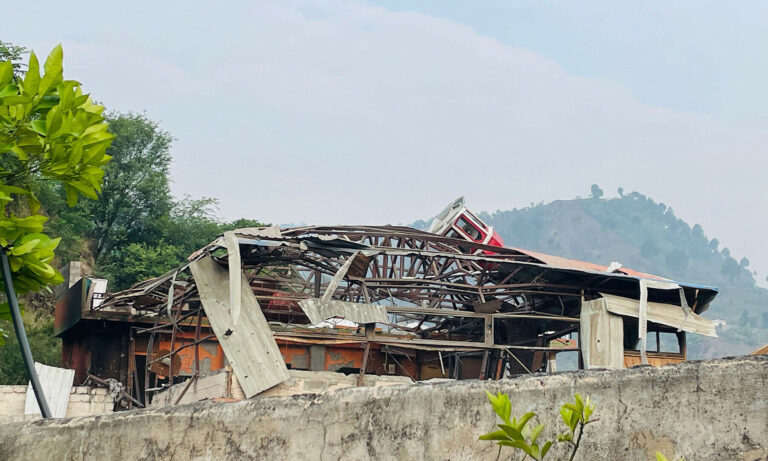
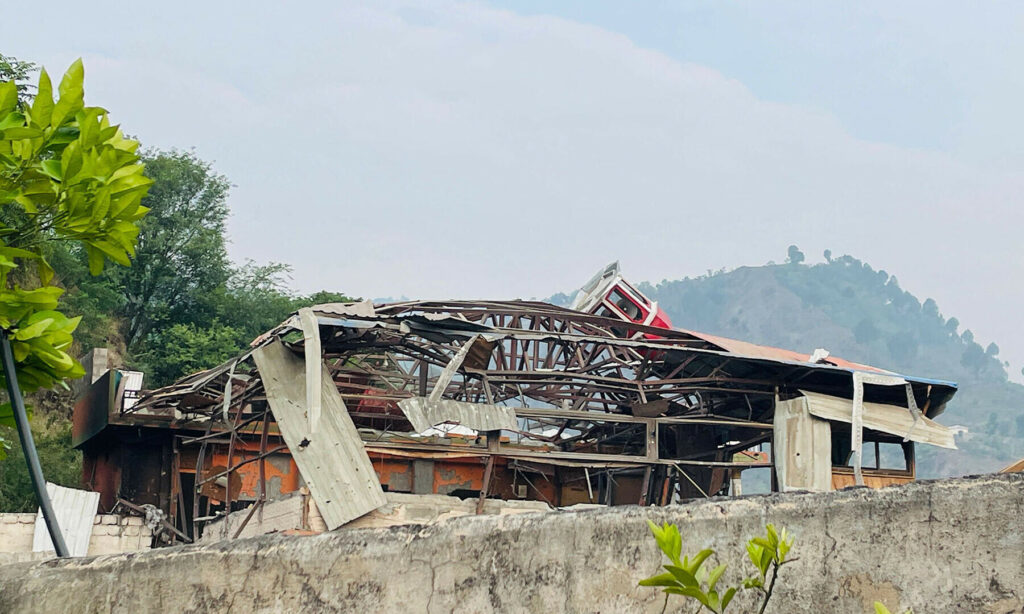
Further scrutiny of visual evidence has raised additional questions. Footage allegedly showing a high-impact strike appears inconsistent, with elements such as signboards and flags remaining intact, an anomaly if a heavy munition strike had occurred. Some observers argue this supports the possibility that a weapons storage facility was hit, with resulting fires and secondary detonations amplifying damage.
A monitoring account cited by TOLO news indicated significantly lower numbers of injured individuals, while discrepancies regarding the transfer of bodies between hospitals remain unexplained. While an independent media outlet, Afghan Times, claimed that they didn’t find any blood stains in the premises.
Meanwhile, conflicting Taliban claims, from an earlier unverified allegation of a rehabilitation centre strike in Kandahar with no confirmed casualties, to subsequent claims of mass civilian deaths, have added to scepticism. The rapid shift in narratives, coupled with unverified videos and testimonies, has further complicated the information environment.
At present, the absence of a transparent, independent investigation remains the central issue. Without access for neutral observers, competing claims, ranging from civilian targeting to strikes on militant infrastructure, cannot be conclusively validated.
Ultimately, the incident exposes a critical reality: in modern conflicts, narratives are weaponised, and establishing truth becomes as contested as the battlefield itself.

Our Editorial Desk is the intellectual engine of Digital Debate, responsible for the rigorous research that anchors every conversation. Our team deep-dives into data, checks every source, and consults academic literature to move beyond headlines and identify the questions behind the questions.