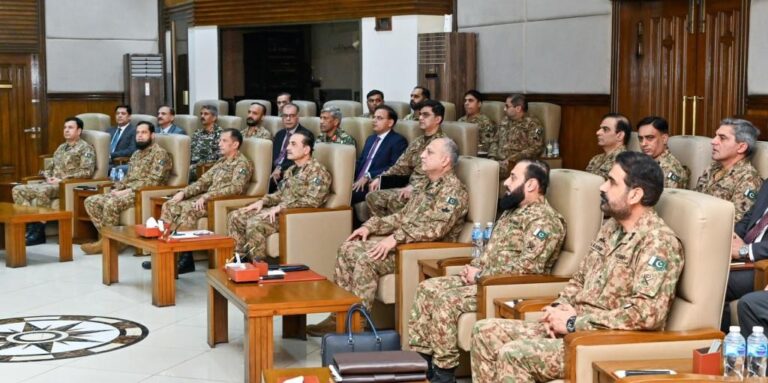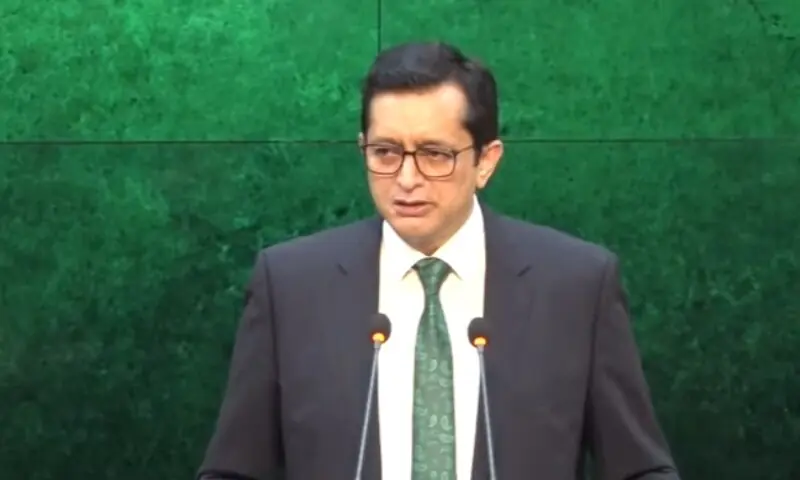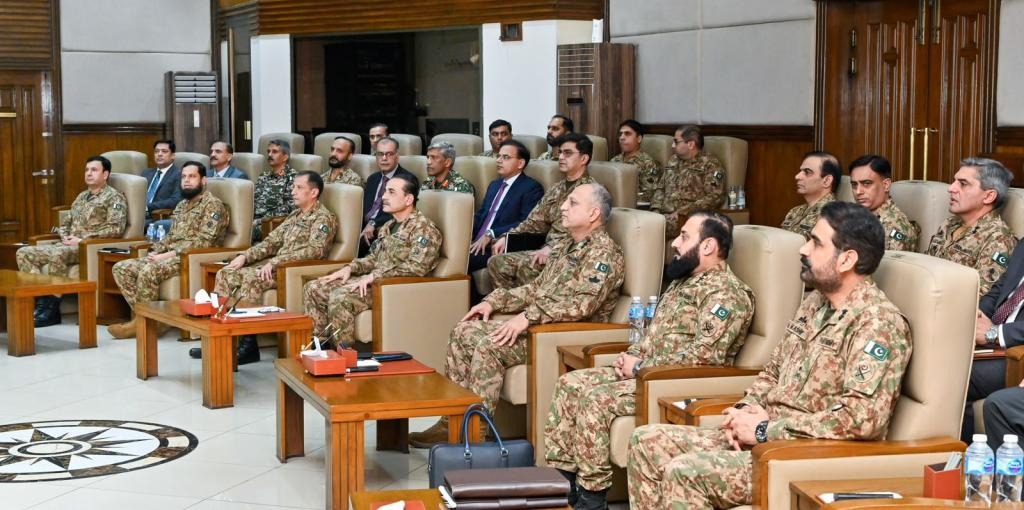
On April 15, 2026, while most countries were watching the Iran crisis from a distance, Pakistan sent two of its most senior figures into the middle of it. Field Marshal Asim Munir landed in Tehran with a high-level delegation to deliver a message on behalf of Washington. At the same time, Prime Minister Shehbaz Sharif arrived in Jeddah for a meeting with Crown Prince Mohammed bin Salman, as part of a diplomatic push toward a second round of US-Iran peace talks. No other country is currently running this kind of two-track diplomacy. No other nation could.
This is not improvised. It is the product of careful relationship-building that most analysts dismissed as transactional or reactive. Pakistan had maintained good working relations with Washington, while Tehran had faith in Islamabad to grant a ceasefire upon request. Such a combination is uncommon. It is, actually, exceptional in the present crisis.
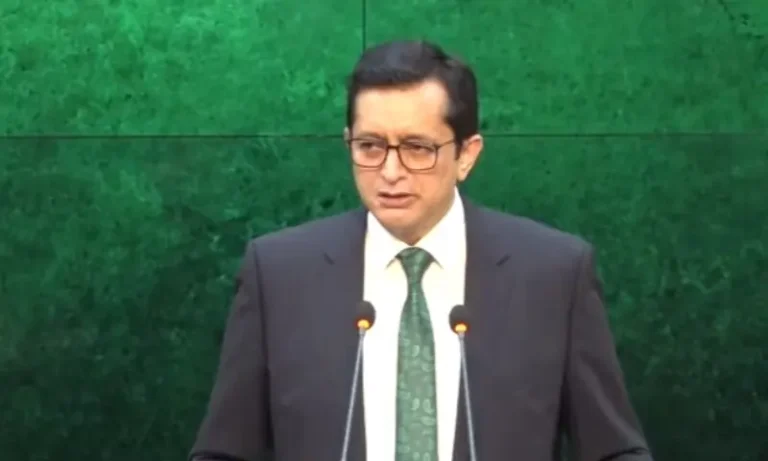
Iran’s Foreign Minister Abbas Araghchi received Munir warmly, expressing gratitude for Pakistan’s hosting of the US-Iran dialogue and calling it a reflection of the deep bilateral relationship between the two countries. That is not the language of a reluctant host receiving a messenger. That is the language of a partner acknowledging a role. The White House said it felt “good about the prospects of a deal” with Iran and confirmed that any further in-person talks would very likely return to Islamabad. When both sides in a war are publicly pointing to the same city and the same mediator, something real is happening.
The ceasefire itself is strained. The ceasefire will expire on April 22, and the initial round of discussions in Islamabad took over 20 hours without reaching a solution. Yet the process has not collapsed. Regional authorities reported that Washington and Tehran had agreed in principle that the ceasefire could be extended to facilitate further diplomacy, although the White House denied the framing. White House press secretary Karoline Leavitt clarified that the US had not formally requested a ceasefire extension but indicated that the second round of talks would most likely be held in Islamabad. That is the real signal. Engagement continues. The window has not closed.
The Architecture Behind the Moment
All this did not occur by chance. The groundwork was laid in stages. From March 22 to 23, Munir spoke directly to Trump. Pakistan formally offered to host talks on March 23. The foreign ministers of Pakistan, Turkey, Egypt, and Saudi Arabia gathered in Islamabad on March 29, their second such meeting in ten days. That is a coordinated diplomatic sequence, not a lucky break. Trump himself confirmed that he agreed to the ceasefire “based on conversations with Prime Minister Shehbaz Sharif and Field Marshal Asim Munir, of Pakistan.”
The China dimension adds structural weight to Pakistan’s position. On March 31, Wang Yi and Ishaq Dar convened in Beijing, where they issued a Five-Point Initiative which suggested that an immediate ceasefire, safeguarding of sovereignty, sea security, and dialogue were the only possible way to peace. Beijing does not co-sign joint frameworks with just anyone. China’s Foreign Ministry spokesperson explicitly said: “We appreciate Pakistan’s efforts to promote the easing of the situation and support Pakistan in continuing to play its mediation role.” That measured, deliberate statement amounts to a formal endorsement. Pakistan is not operating alone. It is operating with the world’s second-largest economy as a silent guarantor behind its efforts.
PM Sharif’s Riyadh visit completes the picture. This trip came after Pakistan deployed about 13,000 troops and fighter jets to King Abdulaziz Air Base in the Eastern Province of Saudi Arabia, under a strategic defense agreement. Riyadh also pledged $3 billion to bolster Pakistan’s foreign reserves, with an existing $5 billion Saudi deposit extended for an unspecified period. Pakistan is not just a diplomatic actor here. It is a security ally that has direct presence in the Arabian Peninsula. That provides credibility to the conversations between PM Sharif and MBS that no external envoy could provide.
What Pakistan Has Built
Critics have called Pakistan’s role that of a messenger. That framing is wrong. Pakistan exercised control over the sequencing, timing, and framing of proposals and was in a position of leverage with all parties. That leverage comes from a set of relationships that is difficult to replicate. Field Marshal Munir built a personal rapport with Trump. He knows the leadership of Iran’s Revolutionary Guards from his time as head of military intelligence. PM Sharif has a direct line to MBS. FM Dar went to Beijing and returned with a joint framework. No one country in the region has all four of those threads at one time.
Analysts note that Beijing is well-positioned and increasingly willing to act as a credible underwriter of this process, given its economic ties with Iran, broadly stable relations with all parties, and its financial and diplomatic weight. Pakistan brought China to the table. That is a structural achievement, not a talking point.
The second round of talks is not confirmed. The nuclear question remains the hardest obstacle. The truce is weak and dying. None of that changes what April 15, 2026, represented. Field Marshal Munir was in Tehran. PM Sharif was in Riyadh. The line to Washington was open. The line to Beijing was open. Pakistan was, on that day, the most active diplomatic force on the planet.

Our Editorial Desk is the intellectual engine of Digital Debate, responsible for the rigorous research that anchors every conversation. Our team deep-dives into data, checks every source, and consults academic literature to move beyond headlines and identify the questions behind the questions.