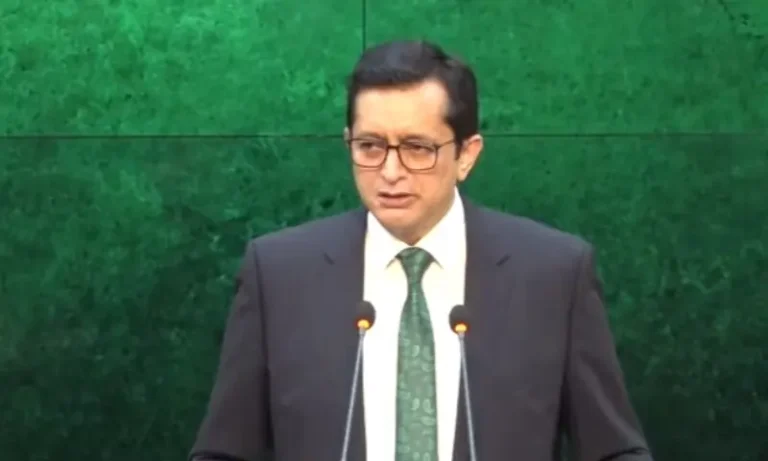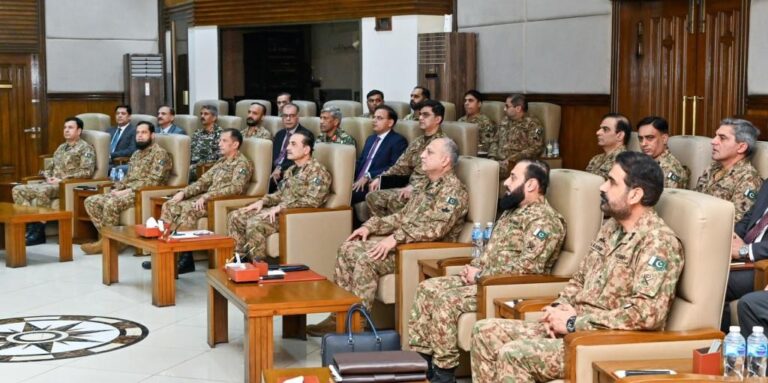
On February 12, 2026, at the United Nations Security Council (UNSC), a unanimous Resolution 2816 (2026) was adopted, authorizing a 12-month extension of the Monitoring Team Supporting Taliban Sanctions Committee. This sent a clear signal that the world is watching the situation in Afghanistan. US envoy Tammy Bruce mounted a fierce attack on the Taliban, calling their use of hostage diplomacy a barbaric and deplorable policy. Such a tactic of innocent human lives as a bargaining chip to coerce political and monetary advantages has become a cornerstone of Taliban relations with the international community.
Trading People for Power
To the Taliban, it is a calculated strategy to arrest and detain individuals of other states. Holding Americans and other foreigners, the Taliban have developed a system in which they use prisoners to demand what they want from the rest of the world. This is how they make other nations negotiate with them, even though the Taliban are not considered the official leaders of Afghanistan by most governments.
An example was cited by the US special envoy in the recent UN meeting. The Taliban are actively attempting to exchange American prisoners with Mohammad Rahim. Rahim is a senior figure of al-Qaida detained in Guantanamo Bay since 2008. The demand reflects a huge contradiction. The Taliban are demanding the release of a terrorist and, at the same time, assuring the world that they will combat terrorism. Through this request, the Taliban are in effect requesting other nations to free the same individuals who pose threats to international security.
A Long History of Demands
The attempt to trade for Mohammad Rahim is part of a long-term pattern. Hostages have been frequently utilized by the Taliban to acquire things that they could never acquire during regular meetings. The South Korean missionary crisis in 2007 was one of the earliest and largest when the Taliban kidnapped 23 aid workers. The South Korean government was compelled to withdraw its troops from Afghanistan to help bring them back. The government did not legitimately verify the information but reports back then and words by the mediators suggested that an enormous ransom was also involved in the deal.
This tactic was reinforced a few years later when the US soldier Bowe Bergdahl was swapped in 2014. The Taliban had kept Bergdahl in captivity and exchanged him with five high-ranking Taliban leaders in Guantanamo Bay. According to the official White House documents, President Obama himself declared the release that implied the transfer of five top Taliban commanders to the custody of Qatari authorities. These men went on to be senior officials in the new Taliban regime in 2021.
Recently, the Taliban kidnapped Mark Frerichs, a US Navy veteran. Following his detention for more than two years, he was exchanged in 2022 with Bashir Noorzai, a key drug lord and initial supporter of the Taliban. Official White House statements confirmed that this swap required “difficult decisions” regarding the release of a convicted criminal to bring an innocent American home.
Current Status of Detainees
By the beginning of 2026, the game of hostage diplomacy has reached a very critical turning point. Ryan Corbett was eventually released on January 21, 2025, 894 days after capture, as part of a prisoner swap. Corbett, a businessman, had been detained in appallingly inhumane conditions, released with William McKenty in exchange for Khan Mohammad, a Taliban member serving a life sentence in the US on drug trafficking and terror charges.
But as one door was opened, another was closed. Only six days after Ryan Corbett was released, Dennis Walter Coyle, a 64-year-old academic researcher and linguist who had spent almost twenty years in Afghanistan, was captured by the Taliban. Coyle has spent more than a year. His family says that they had not heard anything about him in nine months before receiving a single letter. In June 2025, the US government formally classified Coyle as a wrongfully detained person, an indication that his case is now a high-priority lever on the Taliban counter-intelligence dedicated units.
A Difficult Choice for Modern Nations
The United Nations is demonstrating that it will not consider this behavior as a normal practice by renewing the mandate of sanctions according to Resolution 2816 (2026). Hostage diplomacy places democratic countries in a deplorable position. When a government is unwilling to negotiate, innocent individuals suffer in harsh conditions. However, when they negotiate and exchange dangerous individuals, it gives the Taliban an incentive to continue this practice. The Taliban will continue to do this as long as they believe that a foreign tourist or worker is an important bargaining tool. The message of the Security Council is simple that you cannot get respect or money by trading humans for terrorists.

Our Editorial Desk is the intellectual engine of Digital Debate, responsible for the rigorous research that anchors every conversation. Our team deep-dives into data, checks every source, and consults academic literature to move beyond headlines and identify the questions behind the questions.