
First Lady and MNA Aseefa Bhutto-Zardari has reaffirmed her support for the World Food Programme’s efforts to achieve Zero Hunger in Pakistan. She pledged to lend her voice to nationwide advocacy and public-awareness campaigns focused on nutrition and food security.
She expressed these views during a meeting with a WFP delegation led by Country Director Anita Hirsch. Senator Sherry Rehman, Sindh Education Minister Syed Sardar Ali Shah and Karachi Mayor Barrister Murtaza Wahab also attended the meeting.
According to an official statement, Aseefa was briefed on WFP-supported programmes covering nutrition, food security, school meals and climate resilience, with particular focus on the Benazir Nashonuma Programme. Launched in 2020 under the Benazir Income Support Programme, the initiative provides nutrition and health services to vulnerable pregnant and breastfeeding women and children under two. WFP’s current information says the programme has reached approximately 4.6 million women and children, while a separate partnership aims to protect 3.3 million children and women from malnutrition.
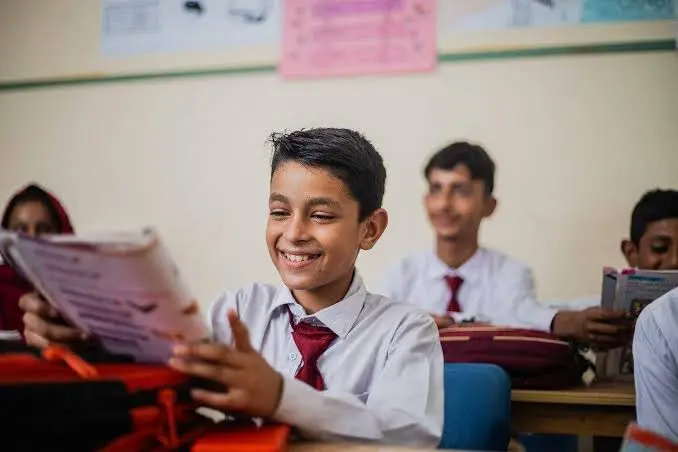
The delegation also briefed her on WFP’s School Meals Programme, which targets 100,000 children across 614 government schools in Karachi’s Malir and Keamari districts. Aseefa welcomed the initiative and expressed interest in centralised kitchens, school-based agriculture and kitchen gardens, enabling children to learn about nutrition and sustainable farming through practical experience.
She called for stronger coordination in maternal and child healthcare, breastfeeding, immunisation, nutrition, early-childhood development and efforts to reduce infant mortality and stunting. She highlighted the importance of accessible paediatric healthcare, including the work of the ChildLife Foundation, and urged greater national attention to population growth and its implications for health, education and development.
Referring to Pakistan’s devastating 2022 floods, Aseefa said the country must move beyond disaster response and invest in early-warning systems, anticipatory action, disaster-risk financing, climate-resilient agriculture and community preparedness. The WFP delegation also discussed measures to protect vulnerable livelihoods and livestock during climate-related emergencies.
Aseefa further reaffirmed her support for WFP’s ShareTheMeal initiative, to which she has personally contributed, and called for sustained cooperation among the government, UN agencies and development partners to ensure that Pakistan’s most vulnerable women and children have access to adequate nutrition, healthcare and education.
Her pledge places public advocacy alongside food assistance, social protection, healthcare and climate resilience, highlighting the need for a coordinated national effort to improve outcomes for mothers and children and advance Pakistan’s Zero Hunger commitment.

Our News Desk represents a rapidly expanding frontier in contemporary journalism, focusing on the intersection of technological advancement, geopolitical narratives, and the shifting dynamics of public information.