
Voting got underway in Mirpur Division on Monday, marking the launch of the first phase of the Azad Jammu and Kashmir Legislative Assembly elections following weeks of political unrest in the region.
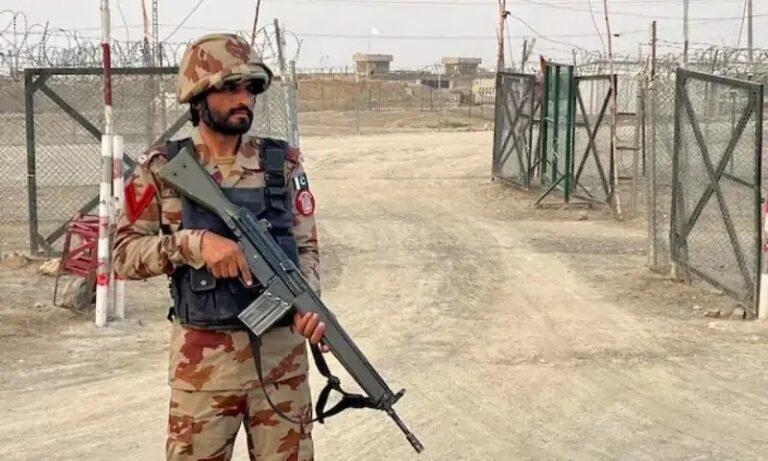
Polling is being conducted across 13 constituencies, with 288 candidates competing at 2,316 polling stations. More than half of the polling stations have been designated as highly sensitive, prompting authorities to deploy a three-tier security arrangement comprising 18,560 security personnel alongside approximately 2,100 Army troops to ensure peaceful and orderly voting.
Chief Election Commissioner Justice (retd) Ghulam Mustafa Mughal urged the region’s 1.4 million registered voters to exercise their democratic right without fear, reaffirming the election commission’s commitment to a free and fair process. AJK Chief Secretary Khushal Khan warned that any attempt to disrupt the electoral process would be met with strict action.
The elections are taking place against a backdrop of prolonged political tension in AJK, which has seen unrest in recent weeks tied to civil society grievances over subsidies, governance, and constitutional status. A call by the banned Joint Awami Action Committee (JAAC) for a Mirpur-to-Muzaffarabad long march on polling day reportedly failed to attract participants, allowing voting to proceed without major disruption.
The second phase of the AJK Legislative Assembly elections is scheduled for July 29, covering the remaining constituencies across the region. Monday’s polling represents a significant step toward restoring political normalcy in AJK after one of its most turbulent periods in recent memory.

Our News Desk represents a rapidly expanding frontier in contemporary journalism, focusing on the intersection of technological advancement, geopolitical narratives, and the shifting dynamics of public information.