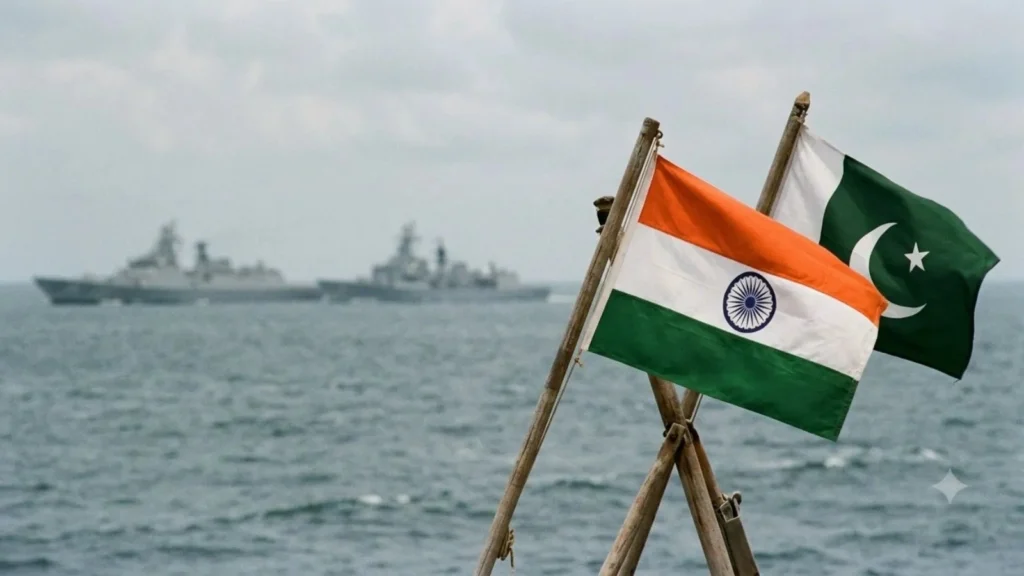
The Middle East is currently standing on a pile of gunpowder, and for the first time in years, the matches are being lit. From the Red Sea to the Strait of Hormuz, the air is thick with the scent of proxy warfare and the silent alignment of global powers. However, as the fire is threatening to overrun the borders, there are two unlikely powers being the main extinguishers, the Saudi Arabian calculated patience and the quiet, non-aligned yet participating diplomacy of Pakistan.
Saudi Arabia’s Calculated Patience
Non-retaliation can be seen by history as hesitation at first, but in the modern environment, restraint on the part of Saudi Arabia would go down in history as a wise decision. The Kingdom has experienced many provocations and attacks, but it has always followed the way of de-escalation. This is not an emotional weakness; it is a calculated attempt to save the global economy.
Had the Kingdom responded to every bullet with a fire, the region would be in a state of total war. This would have crippled the oil supplies, destabilized the global markets, and placed the world on the verge of a historic economic crisis. Saudi Arabia has managed to contain the regional fire by not transforming every skirmish into a scorched-earth battle, even at the risk of appearing over-restrained to its adversaries.
The Reliable Facilitator
While Saudi Arabia manages the front lines through restraint, Pakistan has entered the narrative as a quiet, vital bridge. Caught between a long-standing place of brotherhood with Riyadh and a delicate, multi-faceted border with Tehran, Pakistan used to be deemed a weakness. Today, it has become its greatest diplomatic asset.
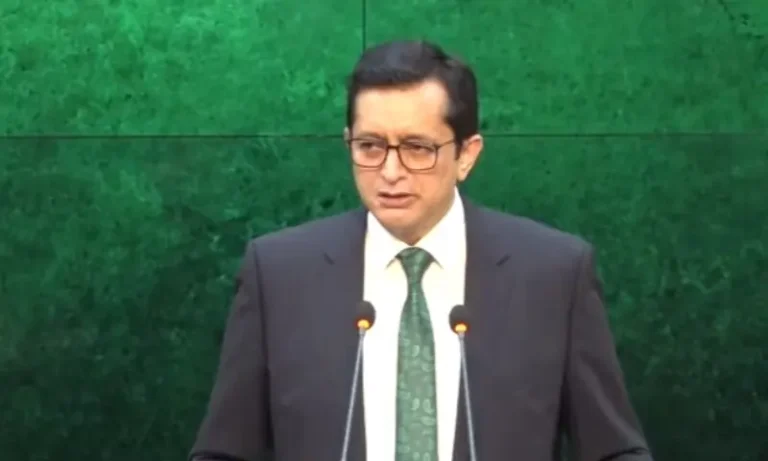
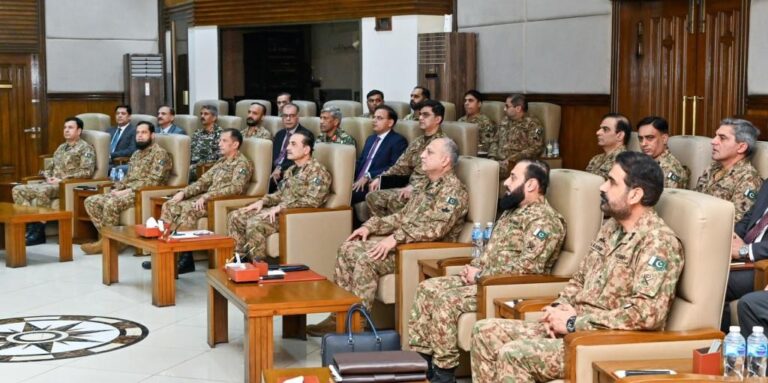
The recent meeting of foreign ministers from Saudi Arabia, Pakistan, Turkey, and Egypt in Islamabad signals a shift. Even enemies such as the United States and Iran seem to trust Pakistan as a facilitator even the first time. Pakistan’s policy allows it to maintain contact with Washington, Tehran, Riyadh, and Beijing simultaneously. An example of this non-aligned but active position would be the role played by Pakistan in Beijing, which offered a guideline to de-escalation.
The Human and Economic Cost of Conflict
To Pakistan, regional peace is not a luxury of diplomacy, but a necessity of survival. A map of the world reveals that if a full-scale war breaks out in the Middle East, Pakistan is the first to feel the heat. Not just is the security of the borders at risk, but the human cost is colossal.
Currently, there are approximately 5.2 million Pakistanis working in Arab countries. Among them, 2.3 million are located in Saudi Arabia, and 1.9 million in the United Arab Emirates, and the rest are distributed among different countries of the Gulf. These expatriates are the lifeblood of the Pakistani economy, sending home billions in remittances. If the Middle East burns, the hearths of millions of Pakistani homes go out. The disruption of energy supplies, the closure of vital trade routes like the Strait of Hormuz, and the threat to internal security would be catastrophic for the state and its society.
The Rising Shadow of Proxy Warfare
Despite the diplomatic successes, the nature of current hostilities suggests the danger is far from over. The proxy wars have resurfaced, with groups such as Hezbollah and Al-Ghasi still active in different theaters. The Red Sea is a pressure point that is growing more and more uncertain, and the world energy supply line is unstable.
There is a growing concern that over-restraint sometimes makes the opponent more aggressive. When Iran or its proxy allies feel that patience is the continuous absence of response, they will be inclined to go even further in their strategies, pushing the current equilibrium to the very extremes. This presents a very unstable atmosphere where a single wrong move by either side might ignite the entire pile of gunpowder.
A History-Defining Moment
The fact that the Middle East has not yet devolved into a full-scale war is due largely to the deliberate decisions made in Riyadh and Islamabad. Although these policies may be viewed by modern critics as being too cautious or even scared, history will perhaps note them as the essential anchors that prevented a regional apocalypse.
Pakistan and Saudi Arabia have shown that true strength can be in the skill to restrain. But with the proxy battles getting bigger and the Strait of Hormuz being a high-risk environment, the question is that how long this balancing act can actually last in a part of the world where distrust is the rule, and the stakes are international?

Sabookh Syed is a senior broadcast journalist, columnist for Daily Jang, and digital activist. Formerly a special correspondent for Geo News and a host at PTV, he is a specialist in social issues and investigative research, having contributed to international titles like The Siege and The Exile.