What started on February 28, as an American and Israeli air war against Iran, has spread to a standoff over a 34-kilometre strip of water that keeps the lights on in four continents. The opening strikes disrupted the flow of about one-fifth of global oil through the Strait of Hormuz. It is now the central battlefield of this conflict, fought not only with missiles and drones, but with tolls, blockades, and competing great-power interests.
Tehran’s post-ceasefire gambit was brazen, seeking to charge the world for passage through waters it does not legally own. Iran gradually allowed some tankers through in exchange for tolls of up to $2 million per ship. At least two payments are believed to have been made in Chinese yuan, in an apparent strategy to weaken the US dollar and circumvent American sanctions. Iran is not just taxing tankers; it is building a wartime financial architecture, one transaction at a time. The IEA chief called the resulting disruption the worst energy shocks the world has ever seen, more severe than the 1970s oil crises and the Ukraine war combined.
The Breakdown in Islamabad
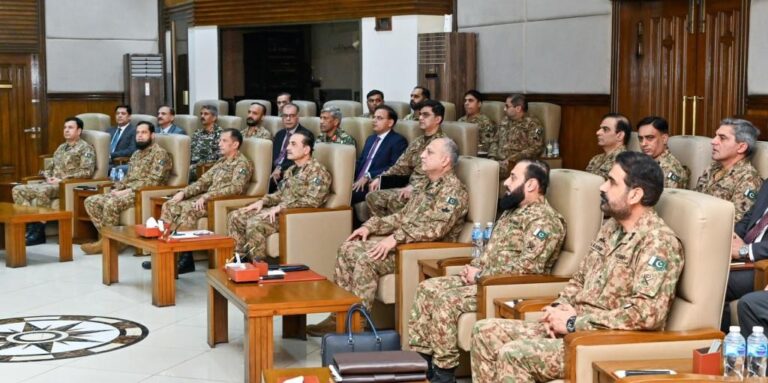
It is important to separate fact from speculation here. The Islamabad Talks are not a failed event but rather a process, and the process has not ceased. Trump said it. Vance said it. The Iranians said it. The most important mediator, Pakistan, has clearly pledged to remain a facilitator. The ceasefire, despite thunderous rhetoric from both sides, continues to hold, and that is the most reliable indicator that diplomacy remains alive. What collapsed was a single round of negotiations, not the architecture surrounding it. Speculation about dates and venues for the next round is just that, speculation. Global leaders have lined up behind Pakistan’s efforts, and the world desires an agreement, or at a minimum an extension, before the ceasefire expires.
When that round broke down on April 12, the escalation was swift. Trump announced the US Navy would blockade any and all ships trying to enter or leave the Strait of Hormuz and ordered the interdiction of every vessel that had paid a toll to Iran. Iran’s military declared the move amounted to piracy, warning that if its ports were threatened, no port in the Persian Gulf or Arabian Sea would be safe. The legal basis is just as weak on Washington’s side as on Iran’s part. Under international law governing straits, the US has no legal right to close or hinder transit through the Hormuz.
Beijing Draws Its Own Red Line
The most dangerous dimension of this crisis is the emerging confrontation with China. Chinese Defense Minister Admiral Dong Jun stated that China’s ships are moving in and out of the Strait of Hormuz, that China has trade and energy agreements with Iran, and that others should not meddle in those affairs. This was a direct challenge to American enforcement. China buys 80% of Iran’s oil and will not quietly accept having its energy lifelines severed. Beijing and Moscow vetoed Bahrain’s UN Security Council resolution on Hormuz shipping, with China’s envoy arguing it sent the wrong message while the US was threatening a civilization’s survival. Then Trump threatened 50% Chinese tariffs on China over the news of intended Chinese weapon shipments into Iran, transforming the confrontation into a multi-front energy, trade, and weapons proliferation crisis.
Oil prices neared $100 a barrel, with analysts warning of $150 if disruptions persist. Beneath the noise of blockades and counterthreats, however, a quieter reality holds. Pakistan’s channel remains open, the ceasefire endures, and the Islamabad process, imperfect, pressured, and unfinished, remains the world’s best available path to peace.

Our Editorial Desk is the intellectual engine of Digital Debate, responsible for the rigorous research that anchors every conversation. Our team deep-dives into data, checks every source, and consults academic literature to move beyond headlines and identify the questions behind the questions.