AT A GLANCE
- Joint recognition: RISSC places Shehbaz Sharif and Field Marshal Asim Munir alongside Saudi and Turkish leaders at joint first place, organized into three entries.
- Twenty-eight Pakistani entries: Six Pakistanis appear in the numbered Top 50; others feature in category lists and honorable mentions.
- The strategic test: Pact implementation, effective mediation and economic resilience will determine whether recognition corresponds to lasting influence.
What Happened
The Royal Islamic Strategic Studies Centre in Amman has published the 2027 edition of The Muslim 500: The World’s 500 Most Influential Muslims, its eighteenth annual issue.
Its joint-first grouping comprises Saudi King Salman and Crown Prince Mohammed bin Salman; Pakistan’s Prime Minister Shehbaz Sharif and Field Marshal Asim Munir; and Turkish President Recep Tayyip Erdoğan. The report explicitly attributes this arrangement to the Makkah Joint Defence Agreement.
The publication’s Pakistan country index contains 28 names. The supplied list omitted Sheikh Dr Muhammad Tahir-ul-Qadri, who appears in the report’s scholarly section.
Who Said What
“The main reason for this historic decision is the Makkah Joint Defence Agreement.”
“The main reason for this historic decision is the Makkah Joint Defence Agreement.”
The Royal Islamic Strategic Studies Centre, Amman
“A moment of gratitude for every Pakistani. This honor is a tribute to the sacrifices of our martyrs and the unity of our nation.”
The Context
The report’s rationale concerns a collective security arrangement, rather than Pakistan’s leadership in isolation. Its joint-first structure gives prominence to cooperation among three states with different capabilities. That is RISSC’s assessment of the partnership’s significance; it does not independently establish its operational effectiveness.
The publication also provides a broader picture of Pakistani influence. Its entries span religious scholarship, preaching, politics, healthcare, science, culture, media and advocacy. This reach matters because international standing develops through institutions and social networks alongside state diplomacy.
The report does explain its selection approach. It defines influence broadly through the capacity to affect Muslim communities and acknowledges that its impact can be positive or negative. It explicitly states that inclusion does not mean endorsement. The ranking is therefore an editorial assessment, rather than an official award or standardized measure of national performance.
Pakistanis Included
| No. | Pakistani Personality | Published Rank |
|---|---|---|
| 1 | Prime Minister Shehbaz Sharif | Joint 1 |
| 2 | Field Marshal Asim Munir | Joint 1 |
| 3 | Mufti Muhammad Taqi Usmani | 7 |
| 4 | Maulana Tariq Jamil | 32 |
| 5 | Maulana Nazar-ur-Rehman | 41 |
| 6 | Sheikh Muhammad Ilyas Attar Qadiri | 44 |
Unranked Pakistani entries include: Imran Khan, Professor Akbar Ahmed, Khanum Tayyaba Bukhari, Javed Ahmad Ghamidi, Dr Farhat Hashmi, Salman Iqbal, Al-Hajj Siddiq Ismail, Muniba Mazari, Hamid Mir, Hafiz Naeem-ur-Rehman, Ayatollah Syed Sajid Ali Naqvi, Sharmeen Obaid-Chinoy, Abida Parveen, Professor Atta-ur-Rahman, Muhammad Owais Raza Qadri, Professor Adibul Hasan Rizvi, Dr Umar Saif, Syed Nadeem Raza Sarwar, Mir Shakil-ur-Rahman, Professor Irfan Siddiqi, and Malala Yousafzai.
Reading the Recognition
- Partnerships drive the ranking: RISSC’s reasoning centers on the Makkah agreement and the complementary capabilities of its members.
- Recognition supports diplomatic visibility: It provides favorable external commentary that Pakistan’s government can reference.
- Operational influence requires evidence: Coordination mechanisms, implemented agreements and sustained partner confidence remain the practical tests.
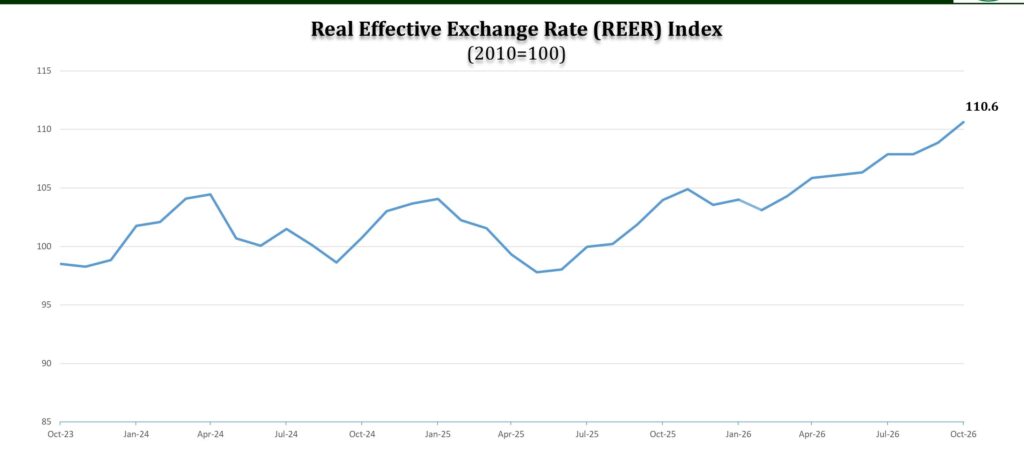
- Economic capacity matters: The report itself identifies stabilization and energy pressures that can constrain Pakistan’s external flexibility.
- Influence extends beyond government: The wider Pakistani entries highlight networks that can support educational, cultural and scientific engagement.
Why It Matters
- For Pakistan: The ranking strengthens visibility while creating expectations of sustained diplomatic and institutional delivery.
- For partner governments: The relevant question is how the Defence framework affects cooperation, reassurance and regional stability.
- For diplomatic missions: Religious, scientific and cultural institutions offer engagement channels beyond political leadership.
What to Watch
Makkah Implementation
Published arrangements, institutional coordination and practical cooperation under the joint defence agreement.
Mediation Outcomes
Whether Pakistan’s diplomatic access produces sustained negotiations and verifiable de-escalation across regional tracks.
Economic Resilience
Energy availability, external financing and the capacity to support international commitments.
Broader Engagement
Partnerships involving Pakistani scholarship, healthcare, science and culture that give international recognition lasting institutional value.
The Unsigned Guarantee: Regional Facilitation and Multilateral Security Pacts ↗

Our Editorial Desk is the intellectual engine of Digital Debate, responsible for the rigorous research that anchors every conversation. Our team deep-dives into data, checks every source, and consults academic literature to move beyond headlines and identify the questions behind the questions.