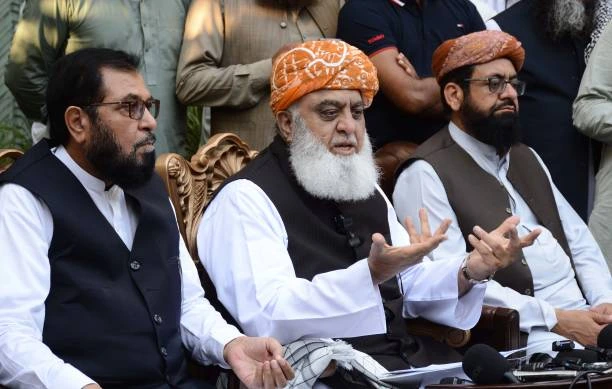

The controversy began at a July rally in Kasur, when Maulana Fazlur Rehman brought soldiers’ salaries into a discussion of martyrdom. Defence Minister Khawaja Asif heard an insult to fallen soldiers. Fazlur Rehman’s supporters said the clip had been stripped of context. The full context matters, because a politician’s argument deserves to be judged on what he actually said. But there was already a clear question for the JUI-F leader. What did a soldier’s salary have to do with the political decisions he wanted to challenge?
That question became harder to ignore after his remarks about the army drew fresh criticism in October. By then, the argument was about more than a line from a rally. It was about a politician whose relationship with the establishment had soured, whose old alliances had frayed, and whose language was growing harsher as his options narrowed.
The Long Grudge
For years, Fazlur Rehman treated Imran Khan and Pakistan Tehreek-e-Insaf as adversaries he could scarcely imagine working with. His opposition carried him from rallies to a long march on Islamabad. Khan returned the hostility in public, often making the Maulana himself the target. When Khan’s government fell, JUI-F joined the coalition led by Shehbaz Sharif. The Pakistan Muslim League-Nawaz benefited from the pressure Fazlur Rehman had helped build against Khan.
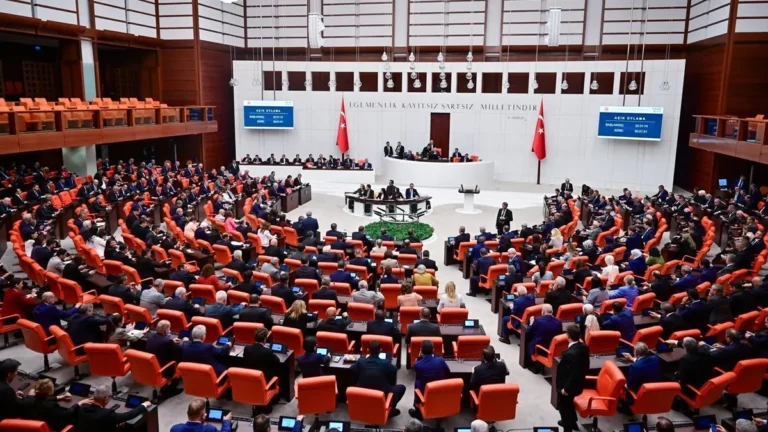
The 2024 election reopened old wounds. Fazlur Rehman lost in Dera Ismail Khan and entered the National Assembly from Pishin. He has questioned the credibility of the election, while commentary on his political position describes a deeper sense of betrayal by former allies. His losses help explain the bitterness. They do not establish that anyone engineered his defeat. That distinction matters most when accusations of interference become the basis for broader attacks on state institutions.
His subsequent parliamentary cooperation with PTI was striking precisely because the hostility had been so personal. There is nothing unusual about opposition parties finding common ground. The harder question is what changed in their politics. If yesterday’s opponent becomes today’s partner, a leader owes voters an explanation of what they now agree on and where they still differ.
A Line Crossed
Fazlur Rehman’s criticism of the military once had a more specific target. As president of the Pakistan Democratic Movement, he accused military and intelligence leaders of helping bring Imran Khan to power. That was a claim about political interference. It could be investigated, disputed, and answered. A democracy needs room for that argument, especially when the institution under scrutiny wields considerable power.
The Kasur controversy exposed a different kind of rhetoric. A salary is part of a soldier’s employment. It tells us little about the danger that soldier faced or the loss a family must live with. If Fazlur Rehman complained that officials invoke sacrifice to deflect criticism, he could have said so directly. Bringing pay into the argument shifted attention from the decisions of leaders to the worth of the people who carried them out.
The same problem appears in his reported description of Pakistan’s rulers as servants of Washington. Dependence on foreign powers is a legitimate subject for debate. It can be argued through specific agreements, decisions, and consequences. A sweeping accusation leaves those details behind. It also risks echoing a familiar militant claim that Pakistani institutions serve foreign masters and therefore deserve no public loyalty. The resemblance is a reason to challenge the rhetoric. It supplies no evidence of sympathy for the Tehreek-e-Taliban Pakistan, or of any effect on recruitment.
The Kabul Stage
His remarks in Kabul made that distinction especially important. Fazlur Rehman criticised restrictions on trade with Afghanistan and India. Border closures have consequences for traders, workers and families, and a political leader is entitled to ask whether those costs are justified. At the same time, Islamabad has accused the Afghan Taliban authorities of allowing the TTP to operate from Afghan territory. In that setting, a case for reopening trade needed to explain how commerce could resume while Pakistan addressed its security concerns. Broad denunciations of Islamabad offered less to the people who depend on an open, secure border.
The Price of Leverage
Fazlur Rehman’s experience gives him the standing to demand answers about electoral credibility, military involvement in politics, and the cost of border restrictions. The same standard applies to his own party. His unopposed re-election as JUI-F chief in September 2024 invites questions about how internal competition works and how party members can challenge leadership decisions.
The strongest case he can make against the establishment is one the public can examine. Name the decision, identify who made it, and show how it harmed the people he represents. Families who have lost soldiers deserve that precision. So do voters who believe their ballots were disregarded. Neither is well served when a legitimate grievance becomes a sweeping accusation that leaves the responsible decisions, and the people who made them, out of view.
Read More: Governor’s Rule and Emergency Imposed in Khyber Pakhtunkhwa: What Are the Core Reasons?

Our News Desk represents a rapidly expanding frontier in contemporary journalism, focusing on the intersection of technological advancement, geopolitical narratives, and the shifting dynamics of public information.