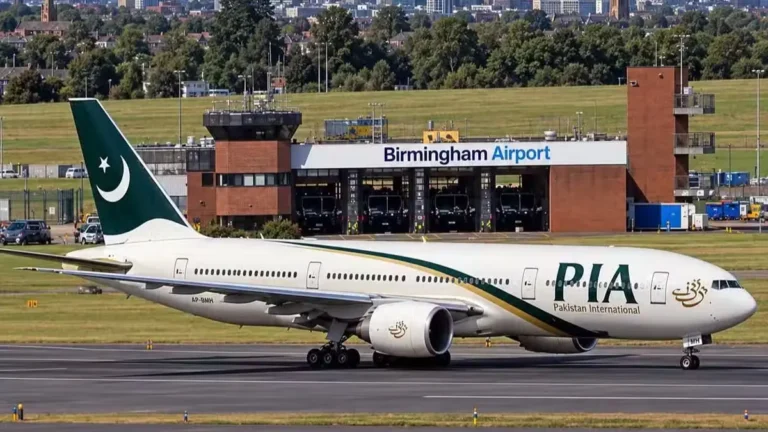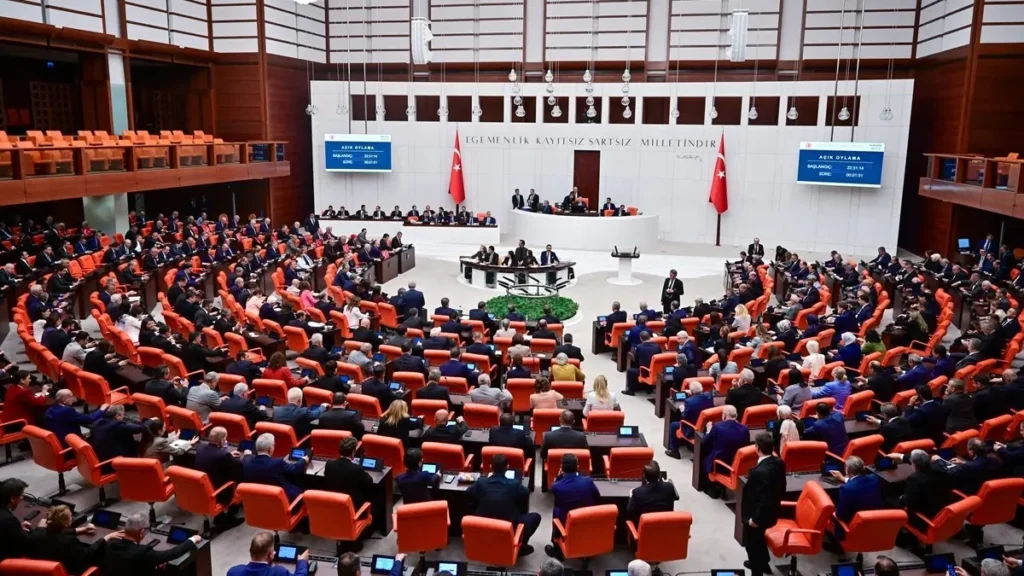

Iranian President Masoud Pezeshkian has called for stronger regional unity during a high level meeting in Tehran on Monday, 26 October, with senior officials from Pakistan, Saudi Arabia and Turkiye, the three signatories of the recently formed Makkah Joint Defence Agreement. The meeting marks the first time Iran has held direct talks with all three countries together since the defence pact was signed in August.
Pakistan was represented by Chief of Defence Forces and Chief of Army Staff Field Marshal Asim Munir. Saudi Arabia’s delegation was led by Defence Minister Prince Khalid bin Salman, while Turkiye sent intelligence chief Ibrahim Kalin. They met President Pezeshkian, Foreign Minister Abbas Araghchi and Supreme National Security Council Secretary Mohsen Rezaei.
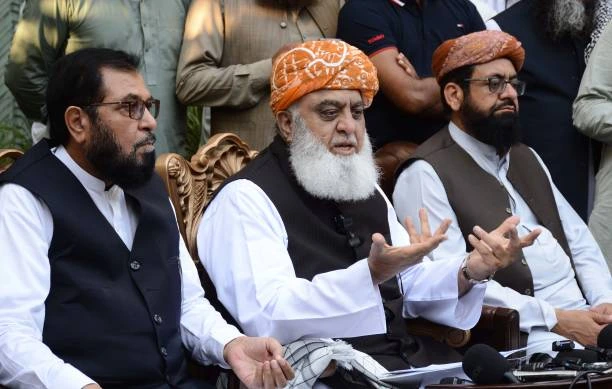
During the meeting, Pezeshkian urged Muslim countries to stand together and adopt a coordinated response to regional threats. He condemned Israel’s actions in Gaza and other parts of the region, saying that Islamic countries must not allow repeated attacks against Muslim nations. He also criticised the United States, accusing Washington of claiming readiness for negotiations while continuing military action against Iran.
The Iranian president said that political understanding alone was not enough and called for practical steps to turn agreements into results. He stressed that regional countries needed a common vision, mutual commitment and sustained cooperation to address insecurity. Iran framed the talks as part of its broader concept of “endogenous security,” under which regional states should rely on their own collective efforts rather than external powers to ensure stability.
Saudi officials described the visit as part of ongoing efforts by the pact’s signatories to ease tensions and support diplomatic solutions. They also referred to mediation efforts being carried out by Qatar and Pakistan. The meeting comes at a time when tensions remain high following the conflict between Iran and the United States and Israel, as well as renewed Houthi attacks that have drawn Saudi Arabia deeper into regional instability.
Following the discussions, Iranian state media reported that the four countries agreed to continue dialogue on regional peace, security and cooperation. Iranian officials described the atmosphere as positive, with Mohsen Rezaei saying that a new regional environment may be emerging. However, no detailed agreement, roadmap or concrete measures were announced after the meeting.
For Pakistan, the talks carry particular importance. Field Marshal Asim Munir had visited Tehran only days earlier, and Iranian officials said the proposal for this meeting of four countries emerged during that visit. Analysts note that Pakistan’s role reflects its effort to balance its commitments under the Makkah pact with its longstanding ties with Iran and its interest in supporting regional diplomacy.
The Tehran meeting suggests that Pakistan, Saudi Arabia and Turkiye may be trying to turn their defence alliance into a broader diplomatic platform. Whether the initiative leads to meaningful tension reduction will depend on whether the four countries can agree on practical steps to reduce military tensions, protect regional trade routes and address the conflicts continuing across the Middle East

Our News Desk represents a rapidly expanding frontier in contemporary journalism, focusing on the intersection of technological advancement, geopolitical narratives, and the shifting dynamics of public information.