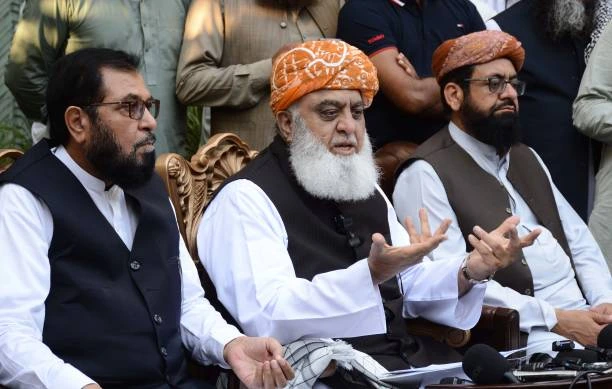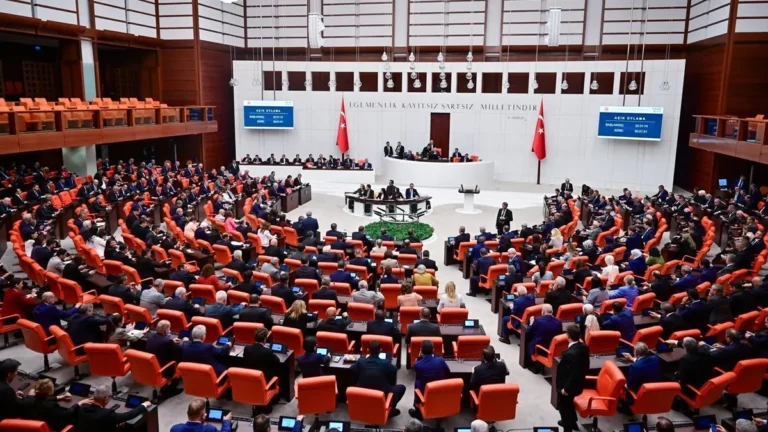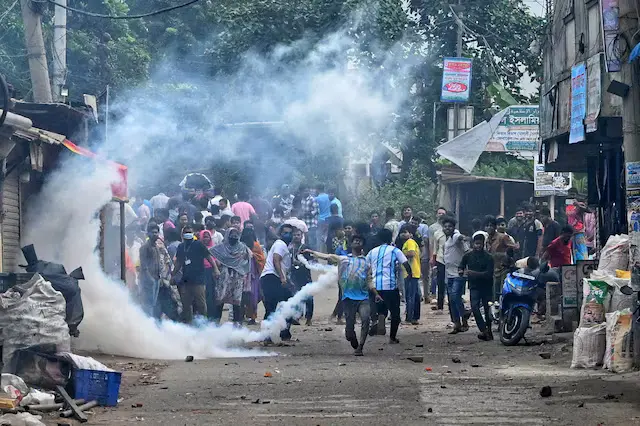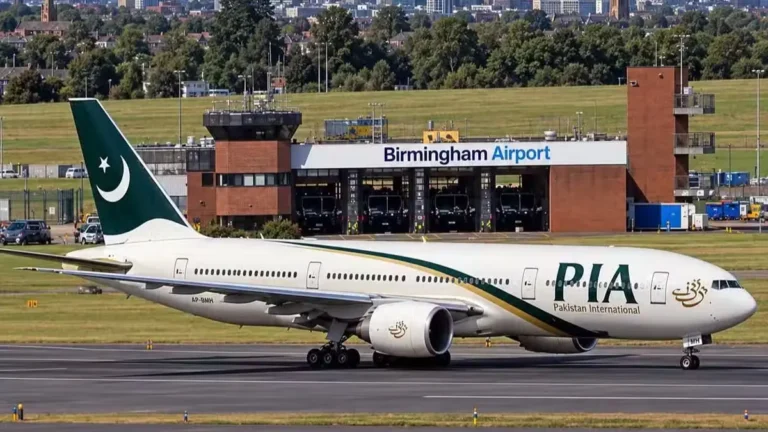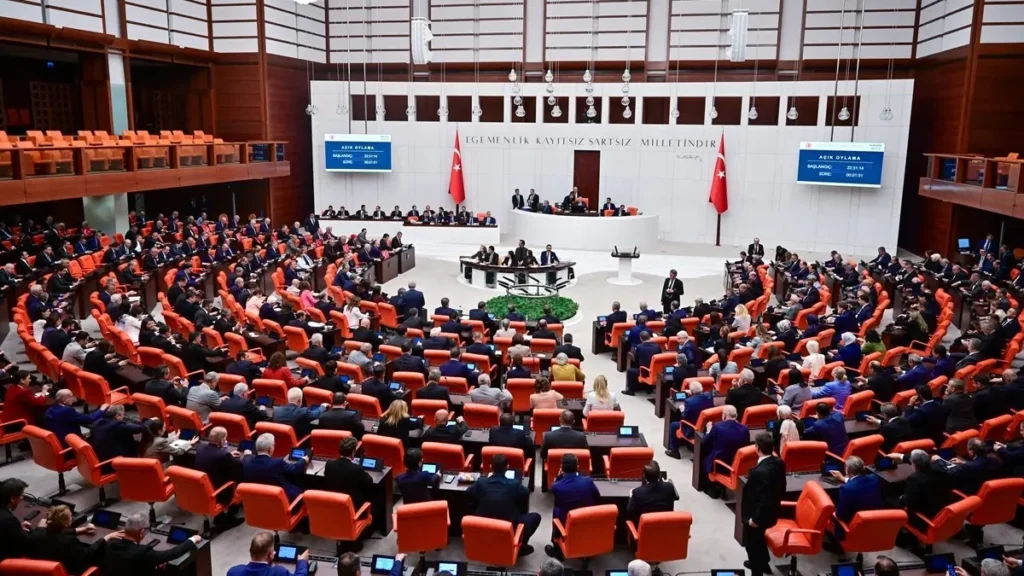

On 27 October 1947, Indian troops were airlifted into Srinagar. Kashmiris and Pakistan mark it as Black Day, the start of what they call occupation. Today, 79 years on, President Zardari and Prime Minister Shehbaz Sharif renewed their support for Kashmiris, and the All Parties Hurriyat Conference called a shutdown. India points to 26 October, when it says Maharaja Hari Singh signed the Instrument of Accession. But the date that matters may be earlier, and the Patiala case study shows why.
The Patiala case study
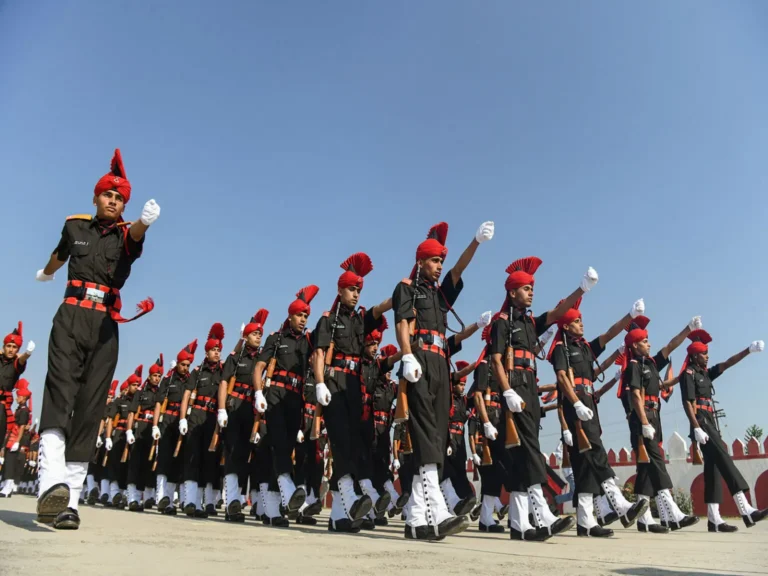
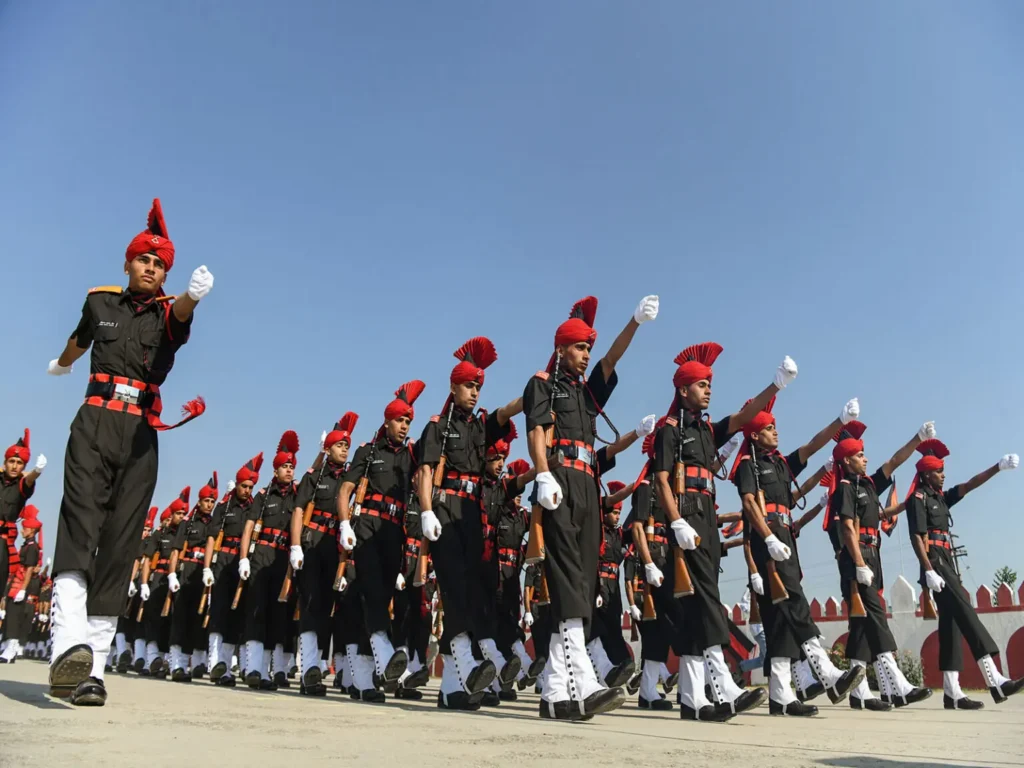
Patiala had acceded to India in August 1947. British historian Alastair Lamb wrote that in the first weeks of October its Maharaja sent Hari Singh a battalion of infantry and a battery of mountain artillery, and that Patiala gunners were guarding Srinagar’s airfield from at least 17 October, ten days before the airlift. One account places the First Patiala Infantry in Jammu in the first fortnight of October. If that is right, Indian military power was inside Kashmir before the accession that supposedly invited it.
Even an Indian defence of the official timeline, concedes the narrow point: the troops landed on the morning of 27 October, before or at best at the same moment as Mountbatten’s acceptance. Soldiers preceded paper. Lamb goes further and argues the instrument dated 26 October could not have been signed before the 27th, because the Maharaja was on the road from Srinagar to Jammu on the 26th. Whatever the exact signing hour, the order is the story: force first, signature second, and no one asked the people of the state.
What it shows
If the ground was already held, the landing was not a rescue. It was an occupation with a document attached, and every later step has followed that order: act first, legalise afterwards.
Mountbatten’s letter of 27 October accepted accession on a condition: once law and order were restored and the invader cleared, the question “should be settled by a reference to the people.” Nehru repeated the pledge publicly that November, and Security Council Resolution 47 of 21 April 1948 called for a UN-supervised plebiscite. In 1941 the state held 4,021,616 people, about 77% of them Muslim. In 79 years, not one vote.
Historians and contemporary press reports document large-scale violence against Muslims in Jammu in October and November 1947. Pakistani state documents allege that Patiala and other state forces took part alongside militias. Those allegations have never faced an independent inquiry, and that silence is part of the record.
Then and now
The same order of events repeats. On 5 August 2019, a presidential order ended the state’s special status. The internet was restricted for roughly 550 days, 213 of them a total blackout, and on 31 October the state became a Union Territory. The Supreme Court upheld the move in December 2023 but directed that statehood be restored at the earliest. In the 2024 election, the BJP won none of the Valley’s 47 seats but 29 of Jammu’s 43, after delimitation gave Jammu six new seats and the Valley one. On 28 September, the elected assembly passed a resolution seeking immediate statehood while BJP legislators walked out. Chief Minister Omar Abdullah told the House statehood is a right, not a favour, nearly two years into his term. The law changes first. Consent is still being requested.
Residency followed the same logic. By April 2025, 83,742 of 3,512,184 domicile certificates, about 2.4%, had gone to people who were not state subjects before, after the old protections were removed by decree.
The record is equally open. A 2011 inquiry by the State Human Rights Commission found 2,730 unidentified bodies in unmarked graves at 38 sites in north Kashmir. Of these, 574 were later identified as locals, and 2,156 remain unidentified. Rights groups count over 8,000 disappearances since 1989, against about 4,000 by the government’s own figure. The UN human rights office called for a commission of inquiry in 2018. None has been set up.
Water follows the pattern. After the Pahalgam attack of April 2025, which killed 26 people, India put the Indus Waters Treaty in abeyance. The treaty gives Pakistan the western rivers, roughly 80% of the basin’s flow, and has no provision for unilateral suspension.
Why it still matters
27 October is not about one landing. It marks the moment a conditional promise was made, force arrived before law, and accountability never followed. Every later step, from 2019 to the domicile rules to the Indus Waters Treaty, repeats the same sequence: act first, justify later, consult never. President Zardari asked the UN and rights groups to take due cognisance of the situation. The questions are the same 79 years on. What was promised? Who was there first? Who answers for what followed? An independent inquiry, open archives on the accession, and a return to the UN’s 1948 framework would show whether anyone wants the answers.

Our News Desk represents a rapidly expanding frontier in contemporary journalism, focusing on the intersection of technological advancement, geopolitical narratives, and the shifting dynamics of public information.