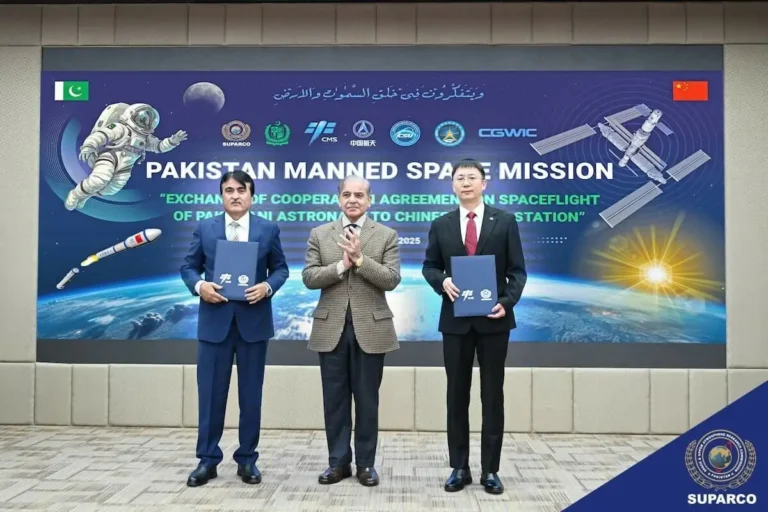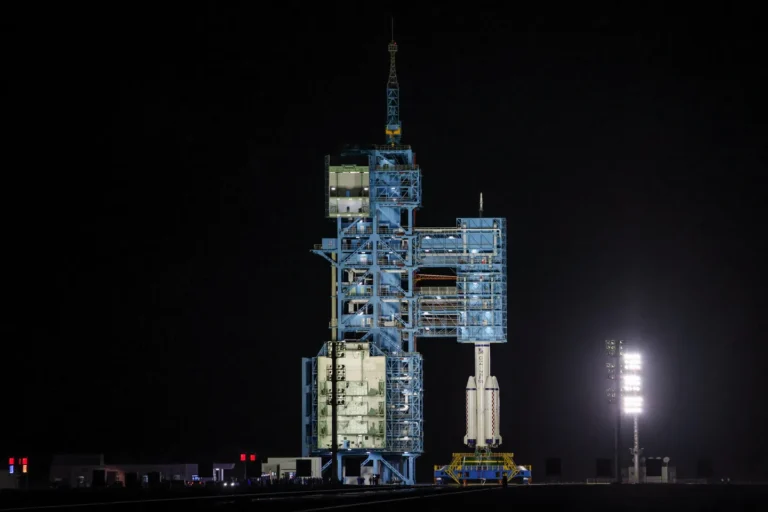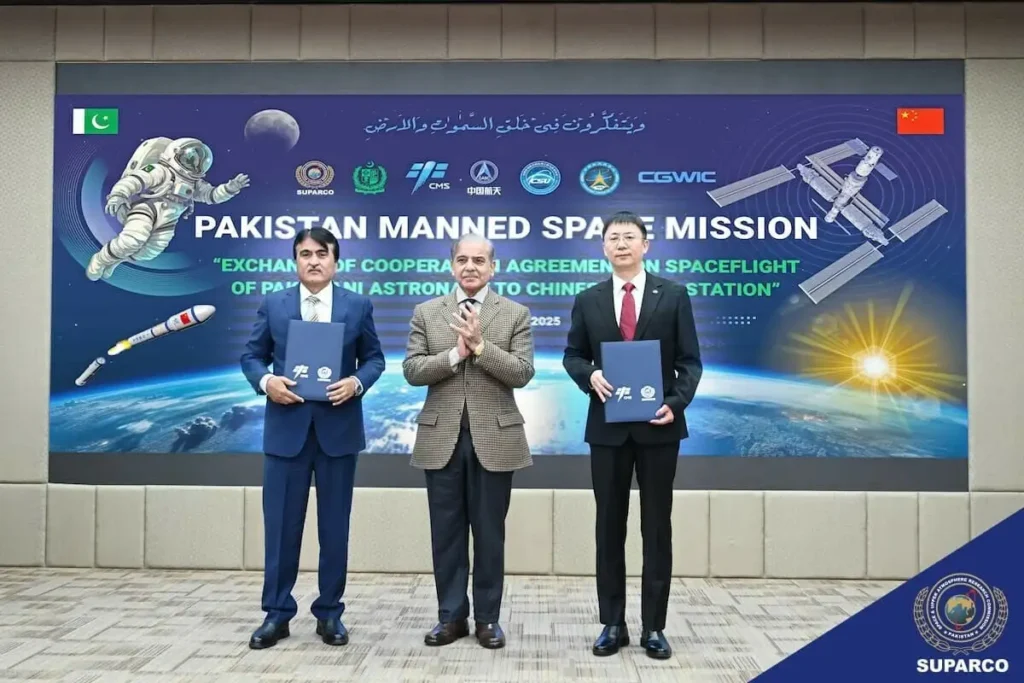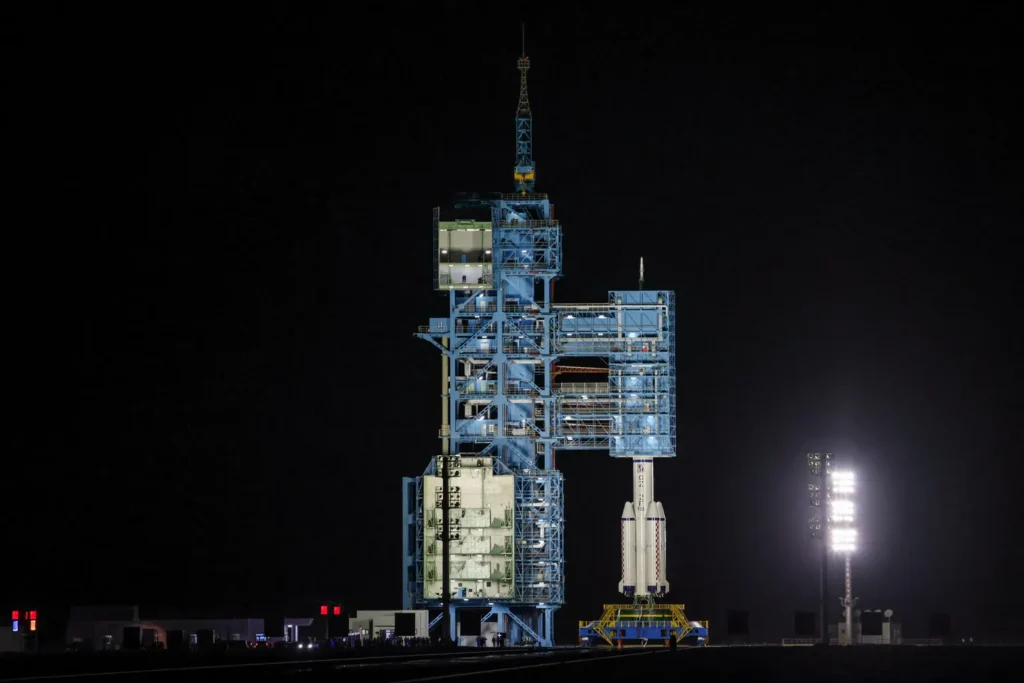

Pakistan is about to write a new page in its history. Two Pakistani pilots, Zeeshan Ali and Khurram Daud, are training in Beijing, and one of them will soon become the country’s first astronaut. The final choice is expected in mid-to-late October. The chosen pilot will also be the first foreign astronaut to fly to China’s Tiangong space station, which makes this a historic moment for both countries.
For a country that faces so many problems, this is a rare moment of pride. Pakistan is too often in the headlines for terrorism, economic trouble and political tension. Now the world will see it for something different: its young people reaching for the sky. Only about 50 countries have ever sent a citizen into space, and Pakistan is about to join them.
The road to this point has not been easy. The two countries first planned this mission in 2019. About 20 finalists were chosen from a large group of pilots and scientists, and each was tested for health, mental strength and the ability to bear the heavy g-forces of a rocket launch. Only two remained. Since then, they have spent months in Beijing learning Mandarin, studying spacecraft systems and practising how to eat, sleep and repair equipment while weightless. Both men have worked hard and deserve the nation’s respect.
This mission is also about science, not just a flag in space. Suparco received more than 300 proposals from universities in Karachi, Lahore and Islamabad. Four experiments were finally chosen, all in biotechnology, and they aim to help with food security and climate change. These are real problems for Pakistan, where floods, heat and hunger are already part of daily life. Every experiment was built and tested in Suparco’s own labs before Chinese engineers approved it. This shows that Pakistani scientists can meet international standards.
The friendship behind this mission also matters. China has already launched Pakistani satellites and helped build a joint satellite-navigation system. It will also carry a Pakistani-built rover to the moon on its Chang’e 8 mission around 2028. The rover will use artificial intelligence to find its own path on the lunar surface. This astronaut flight is the next step in a partnership that is growing stronger year by year.
Every space programme begins with a small step, and this one gives Pakistan a strong base to build on. The question now is what comes next.
The government should treat this as the start of a long-term plan, not a one-time event. It should give more funds to Suparco and to science education. It should support universities so that more young people can take part in research. It should also work toward building Pakistan’s own skills in space technology, so that in the future the country can do even more on its own. A mission like this should not be remembered only for one flight. It should be remembered as the moment Pakistan decided to take space seriously.
The pilot who is chosen will carry the hopes of millions of Pakistanis. Children who look up at the night sky today can now believe that a Pakistani can go there too. That belief is worth more than any single experiment.
Pakistan should celebrate this moment, learn from it and plan for the future. The sky is no longer only something we look at. It is now within our reach.
Read more: Pakistan Set to Launch First Astronaut to China’s Tiangong Space Station