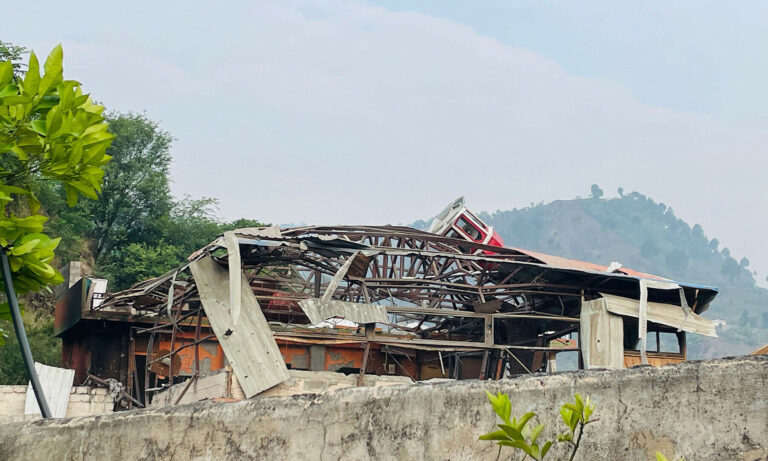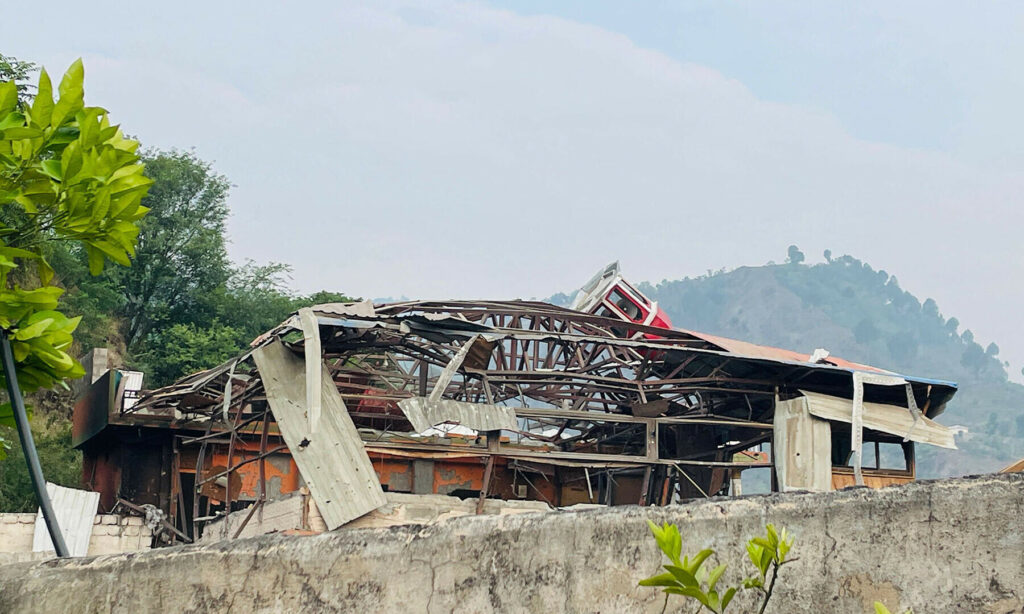
On July 6, militants attacked a security post protecting the Mangi Dam Phase-III project, which was supposed to provide Quetta with 8.1 million gallons of water daily. Nine policemen were killed in the initial assault; the standoff that followed left 18 more officers dead after being taken hostage, according to Pakistan’s military spokesperson Lt Gen Ahmad Sharif Chaudhry. The Mangi Dam project has been subjected to repeated attacks, its workers kidnapped and its construction continually stalled, with basic infrastructure now becoming a recurring militant target, particularly for a city that has long suffered from water shortages.
Two days later, an army convoy was ambushed on the N-25 highway near Bela in Lasbela district, an attack the ISPR attributed to the Balochistan Liberation Army (BLA), killing 11 soldiers. By the end of the week, the death toll from these three incidents alone had surpassed 40, while security forces say 54 militants were killed in counterattacks, a figure quoted by Prime Minister Shehbaz Sharif during a visit to the families of the martyrs in Quetta.
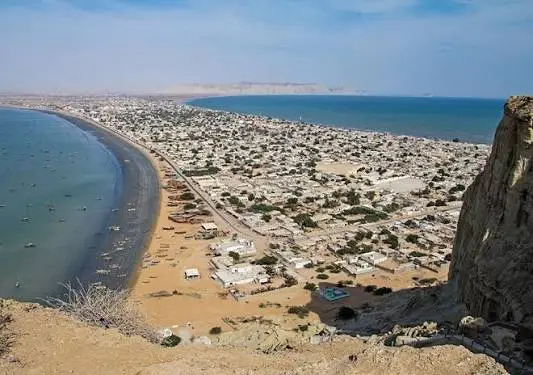
What distinguishes this episode from earlier waves of violence is geography. Historically, the TTP has been operating in the tribal belt of Khyber Pakhtunkhwa, but now they are operating deep in Balochistan province, which is historically home to ethnic Baloch separatists rather than the TTP’s politically motivated ideology. Reportedly, 2025 was Pakistan’s deadliest year in over a decade, and the pattern of TTP and BLA operations now converging on the same terrain, sometimes even coordinating logistics, suggests an evolving and more dangerous insurgent geography that Islamabad’s provincial-based security architecture was never designed to handle.
The External Hand
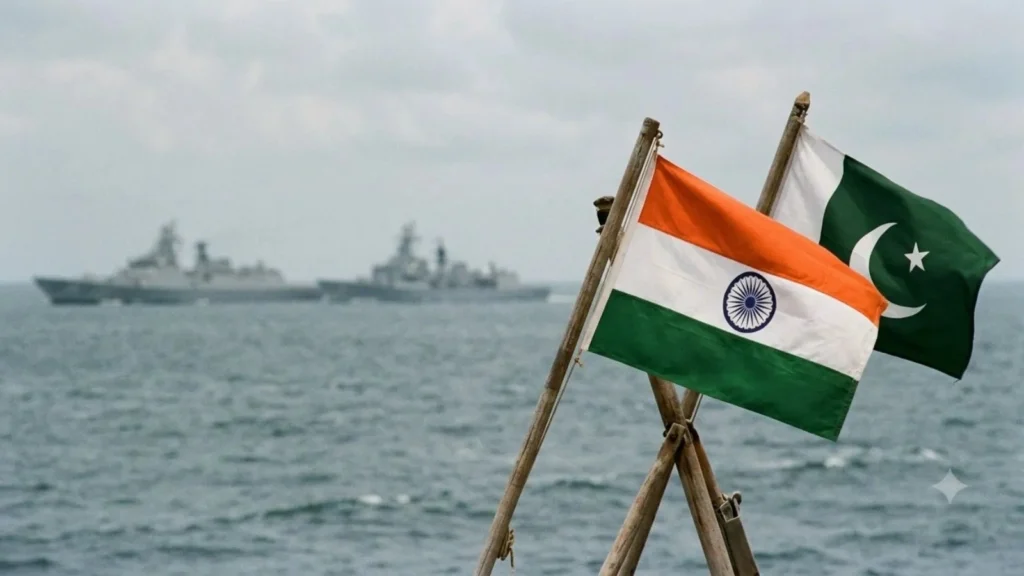
Islamabad maintains that TTP fighters operate from sanctuaries inside Afghanistan with the tacit protection of the Afghan Taliban, a charge Kabul denies while insisting the TTP is Pakistan’s internal problem. Evidence of India’s use of Afghan soil to sustain the TTP as part of a broader proxy strategy has been building. A captured TTP commander told Balochistan’s Home Minister that Indian intelligence had orchestrated a deliberate nexus between the TTP and BLA, aimed at sabotaging Chinese-linked infrastructure and fueling unrest in Balochistan.
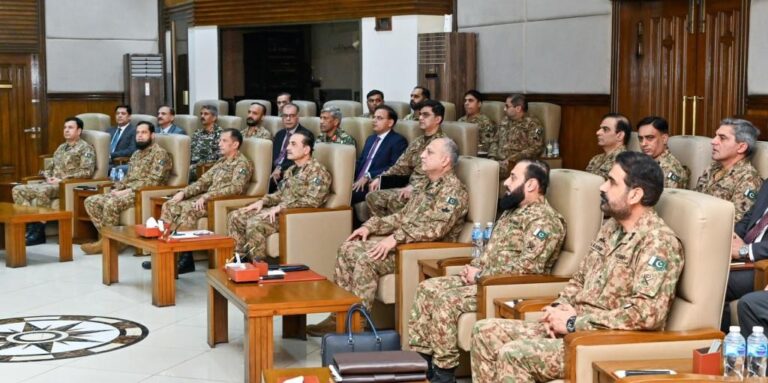
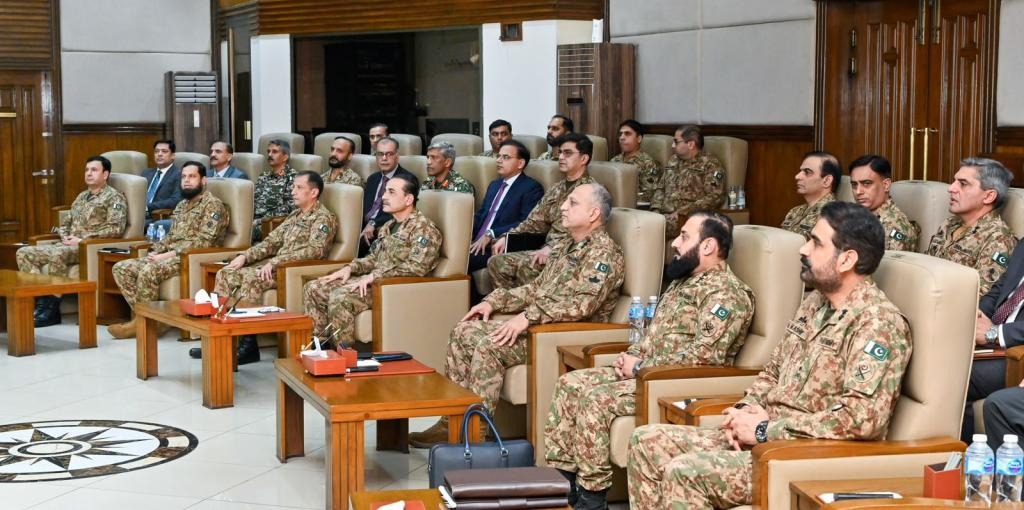
The most disturbing fact is the increasing human toll. The provincial capital still mourns as people outside the Askari check post in the province demanded the recovery of the abducted. The Provincial Apex Committee meeting of July 9, attended by the Prime Minister and Field Marshal Asim Munir, signaled that Islamabad recognizes the scale of the challenge. The policy on Pakistan’s western flank must be proactive instead of reactive. It needs an active security policy, one that anticipates convergence rather than merely responding to it, to restore peace in the lives of the populations again.

Our Editorial Desk is the intellectual engine of Digital Debate, responsible for the rigorous research that anchors every conversation. Our team deep-dives into data, checks every source, and consults academic literature to move beyond headlines and identify the questions behind the questions.