At the NATO summit in Ankara on Wednesday, Trump declared the ceasefire with Iran “over,” calling Iranian leaders “scum,” “cuckoo,” “evil,” and “sick people,” and saying that further negotiations were “a waste of time.” “As far as I’m concerned, it’s over. I don’t want to deal with them anymore,” he told reporters. “Let’s just finish the job.” More than 80 targets were hit in Iran, CNN geolocating one of them as a railway bridge in northern Iran, about 900 miles from the strait, a rare target outside the immediate conflict zone. Oil prices rose by over 6 percent. Brent crude surged back to nearly $79 a barrel. The MOU signed in Geneva on June 17 appeared to be in freefall.
Iran’s foreign ministry spokesman did not announce the deal’s failure. Instead, Tehran accused the United States of violating the MOU and said it held Washington responsible for the breakdown in the ceasefire. Iran did not confirm any outreach to Washington for a new deal. It has not officially acknowledged Trump’s assertion that the ceasefire had ended. It also did not formally withdraw from the MOU. Trump also singled out the Iranian leaders for their agreement in private and disavowal of the deal in public. “They agreed, ‘We will never have a nuclear weapon.’ They agreed,” he said. “Then they go outside…. and leak that we never discussed the subject.” Iran has consistently refuted US claims regarding the scope of agreement reached in closed meetings. Neither side has provided a jointly verified account of any private commitment.
The sequence of events that produced Wednesday’s declaration followed a clear escalation. Iran struck three commercial vessels in Oman’s territorial waters near Hormuz on Tuesday, which the US described as a “gross violation” of the MOU. The US responded by reimposing oil sanctions, one of the key concessions in the MOU to Iran. Then it struck over 80 Iranian targets. Iran hit U.S.-backed installations in Kuwait and Bahrain. A Qatari LNG tanker was hit, producing an angry condemnation from Doha, one of the two countries mediating the process. For each action, both parties described it as a counteraction to the other’s violation. The ambiguity of who is in charge of Hormuz transit has been pushed back to the 60-day final deal window, and it is this point that’s causing the entire agreement to crumble.
What the MOU Never Resolved
The fundamental problem is structural, not rhetorical. Iran says it shares control of the Strait of Hormuz with Oman and insists ships need Iranian vetting before crossing. The US maintains the strait is an international waterway subject to freedom of navigation under international law. An MOU signed on June 17 produced a written document that both sides could point to. It didn’t result in any definitive rules on the day-to-day operations of Hormuz. The current escalation is not a breakdown of that protocol. It is the direct consequence of never having one.
Trump told reporters he was not sure the war was restarting: “I don’t think it’s going to start again. I think it’s going to go very quickly. They hit a couple of ships, and so we hit them much harder.” In the same breath he declared the ceasefire ended, he said that statement, which reflects the incoherence of the present moment. The war is not restarting, according to Trump. The ceasefire is over, according to Trump. Both cannot be simultaneously true in any conventional sense. What they reflect is a posture of escalation without formal recommitment to full-scale war.
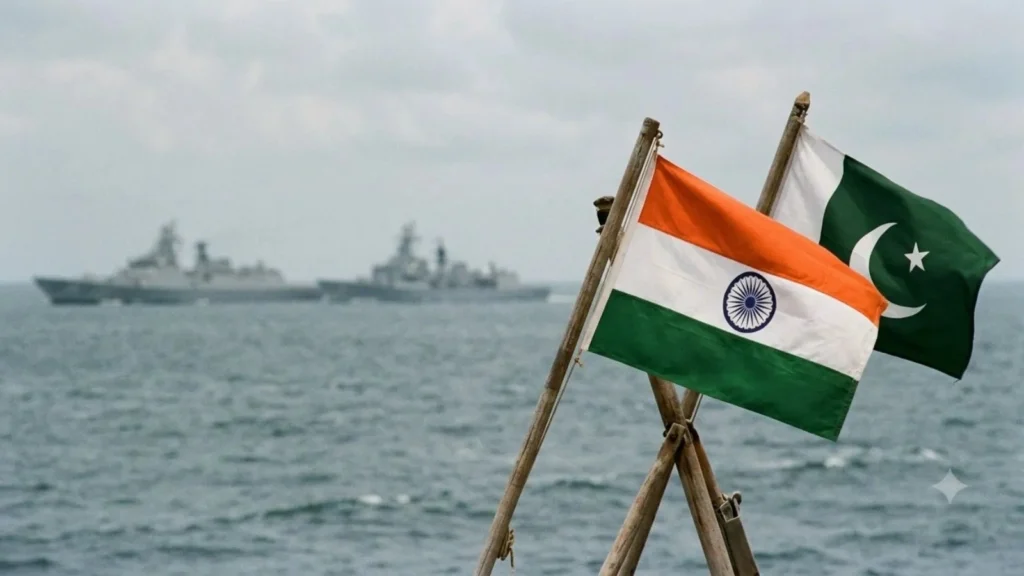
The MOU’s 30-day Hormuz deadline expires on July 17. Eight days remain. The final deal window is open for 60 days until August 16. There has been no official termination of either of those dates by either party. Both are now running in an environment where the US president has declared the ceasefire over, reimposed sanctions, struck Iran twice in two days, including infrastructure near the Turkmenistan border, and Iran has attacked three commercial ships and struck Gulf Arab states without confirming or denying whether any back-channel contact has occurred. The MOU is not definitively “dead. The situation it was meant to manage is not under control. Those are the two facts that Pakistan and Qatar have in their hands at present.

Our Editorial Desk is the intellectual engine of Digital Debate, responsible for the rigorous research that anchors every conversation. Our team deep-dives into data, checks every source, and consults academic literature to move beyond headlines and identify the questions behind the questions.