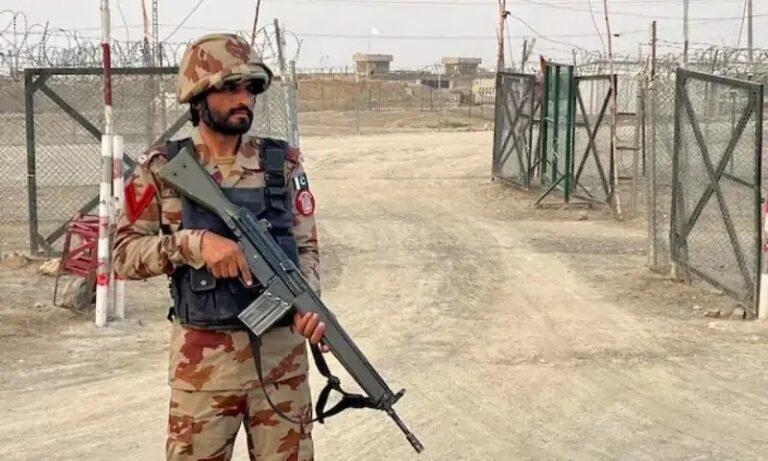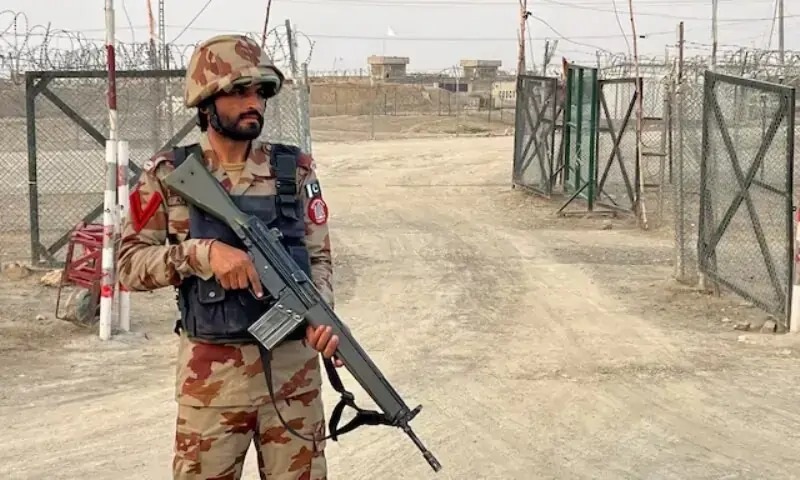

The Pakistani government has banned the Awami Action Committee (JAAC) amid a fresh wave of unrest in Azad Jammu and Kashmir. Four law enforcement officials have been martyred during the violence. Social media followers of JAAC are reporting much larger losses, but these statistics have not been substantiated.
Indian involvement is cited as a cause for the recent upheaval. The timing is notable. In recent months Pakistan’s diplomatic profile has risen significantly, mark of a successful Operation Bunyan al-Marsoos which helped change the world’s perception about Pakistan.
Whenever Kashmir gains traction at the international level, India comes under pressure. Multiple governments and rights bodies have raised concerns about human rights conditions in Indian-occupied Kashmir, occupation, and ongoing violations of Kashmiri rights. Renewed disorder in AJK draws attention away from that narrative and puts Pakistan on the defensive.
This is not the first time JAAC has been at the center of AJK unrest. Last year, the committee led protests that turned violent, resulting in the martyrdom of three law enforcement personnel. This trend suggests that AJK is being targeted for continued political instability.
The government’s decision to ban JAAC reflects a firm stance against groups whose activities, whether or not externally directed, result in loss of life and public disorder. The situation remains tense, and security forces are on high alert.

Our News Desk represents a rapidly expanding frontier in contemporary journalism, focusing on the intersection of technological advancement, geopolitical narratives, and the shifting dynamics of public information.