For over four decades, the bilateral relationship between Pakistan and Afghanistan has been characterized by a repetitive and unproductive cycle. This cycle is characterized by periods of collaboration and increasing tensions, aggression, and periods of relative peace. This is the phase that strategic experts have termed as a Cold State Border- A paradigm shift where the anticipation of fraternal relations has been substituted with a stern attention to threat and containment of the border.
The Historical Legacies of the Durand Line
The modern tension is heavily entrenched in historical remnants of the British Raj of the 19th century. In 1893, the British government created the Durand Line to act as a buffer against external regional influences. Although Pakistan identifies this as the legitimate international boundary, it has been challenged by successive Afghan governments, including the present Taliban government. They refer to it as an illegitimate imposition and often call it a fake line.
This informal status poses a major challenge to the security of the region. Through the delegitimization of the border, the Afghan government claims that they have no duty to control the cross-border flows of non-state actors. This is reminiscent of the colonial Forward Policy in the past, whereby failure to consolidate border control has resulted in consistent disagreements regarding sovereignty over the territory and administrative control.
The Strategic Linkage Between the Taliban and the TTP
One of the critical aspects of the existing diplomatic stalemate is the ideological and operational connection between the Afghan Taliban and the Tehreek-e-Taliban Pakistan (TTP). These groups had a working relationship during the 20-year insurgency against foreign powers. As a result, Pakistan’s request to the Afghan Taliban to curb the TTP in carrying out cross-border activities has faced strong opposition.
The Afghan Taliban face a complex internal dilemma. Acting decisively might endanger internal disintegration against their former comrades. The concern in Kabul is that the alienation of the TTP would push radicalized groups into even more radical organizations like ISKP. This domestic security issue has led to the supply of safe havens to the TTP, which has been one of the major causes of distrust between the two countries.
Pakistan’s Revised Kinetic Strategy
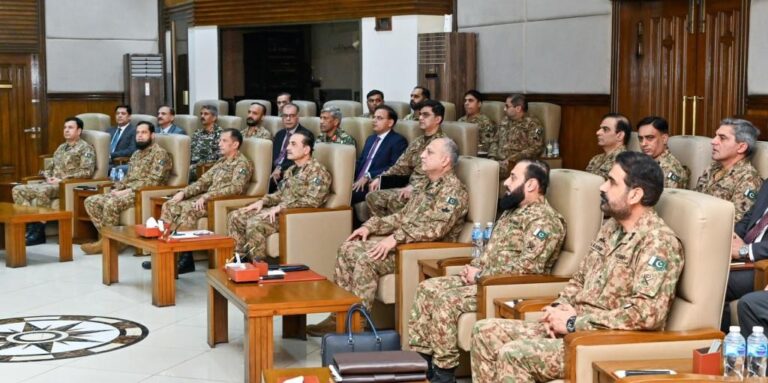
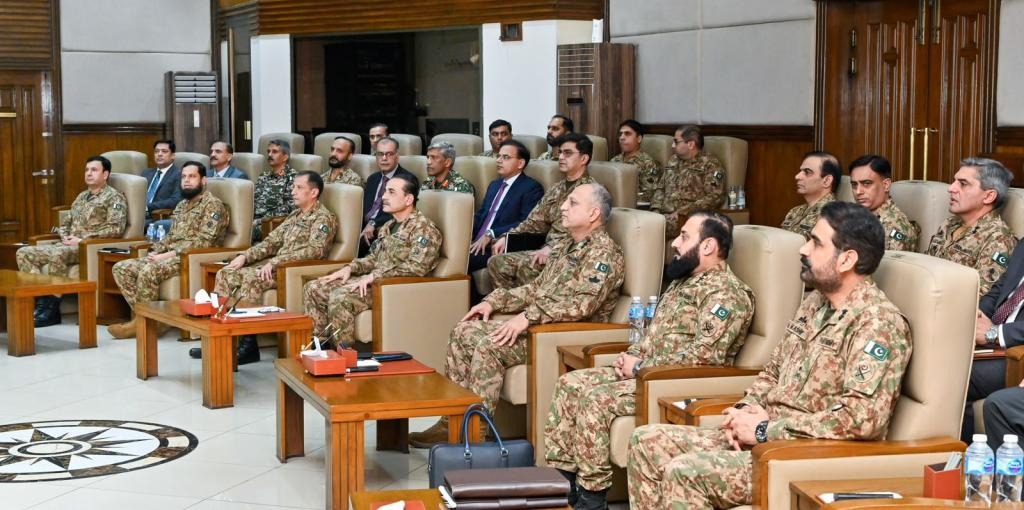
To counter these long-standing threats, Pakistan has shifted to a more aggressive approach to security. The former policy of confidence-building measures has been replaced by the demand for absolute handover or neutralization of militant groups. Pakistan has shown readiness to use its military strength when diplomatic efforts have been unable to bear fruit.
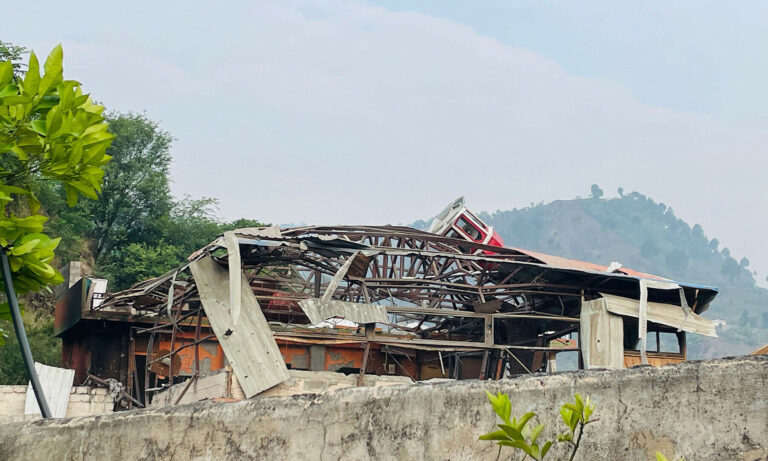
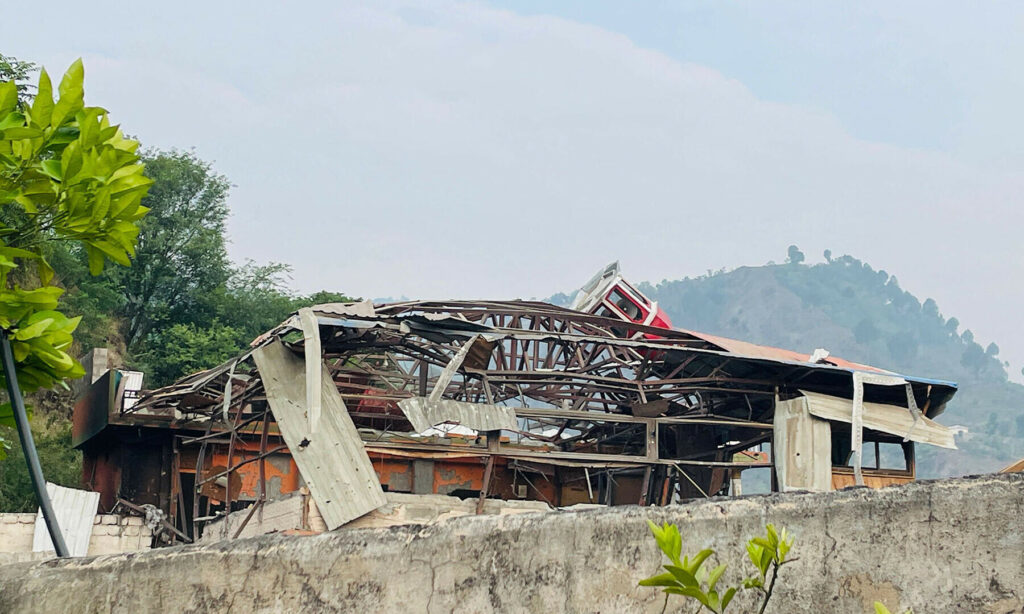
Targeted airstrikes of the militant infrastructure on Afghan soil have been a significant part of this new approach. Empirical evidence suggests that these kinetic operations are associated with a temporary decrease in domestic terror incidents. This supports the evaluation in Islamabad that the main cause of instability in the country lies in the uncontrollable domains of eastern and southern Afghanistan.
The Role of Regional Proxies
The regional landscape is further complicated by the influence of external actors. The general opinion among security analysts is that Afghanistan is a strategic theater where regional rivals can put pressure on Pakistan. The Kabul-New Delhi relationship, in particular, is perceived through the prism of a proxy war, in which the development of a hostile western frontier compels Pakistan to split its strategic attention between two hostile borders.
The operations of foreign intelligence agencies are favorable in a gray state such as Afghanistan, where centralized authority is still in its weak stage, and the economy is in decline. Under the present Afghan environment, the possibilities of such intervention are significantly higher, and it is possible to fund and sponsor insurgent forces that destabilize Pakistan.
Global Geopolitical Shifts
There has been a radical change in the way the international community interacts with Afghanistan. Throughout the 20 years of the western military occupation, Afghanistan was a key foreign policy focus. Nonetheless, the world strategic priorities have now turned to the war in Ukraine and the crisis in Gaza. Statistical indicators show that Afghanistan has fallen quite far down the list of world priorities, below most of the other regional conflicts.
This has put Pakistan in a lonely situation concerning regional security. Although other neighboring countries, such as China and Russia, are still interested in counterterrorism, their main aim is to ensure their western military presence in Central Asia is not reinstated. They have not offered a practical regional approach to solving the fundamental security issues between Kabul and Islamabad and have essentially left Pakistan to handle a globalized issue locally.
Five Future Scenarios
The direction of this relationship implies a long duration of instability. There are various possible scenarios the region could face in the future, including changes within the country and a resurgence of international activity. An internal popular revolt against the Taliban government is a possibility, but this seems highly improbable at the moment, based on their heavy-handed policies. Alternatively, a significant international security crisis with the Afghan soil as its genesis may lead to another global intervention, as was the case with earlier international coalitions.
The third possibility is an outside foreign intervention based on regional power rivalry, which would probably trigger additional proxy wars. Theoretically, there is also the possibility of Taliban normalization, where the organization becomes an ordinary state actor that follows international norms, but such an outcome is now considered with a high degree of skepticism.
The next most likely option is the continuation of the Cold State. This situation is characterized by status quo, where there are solidified borders, controlled hatred, and limited trade. Within the same framework, the two countries will most probably continue to enforce strict border patrols and take up mutual military operations whenever significant security violations are experienced; thus, the border remains a place of constant tension.
The Inescapable Reality of Geography
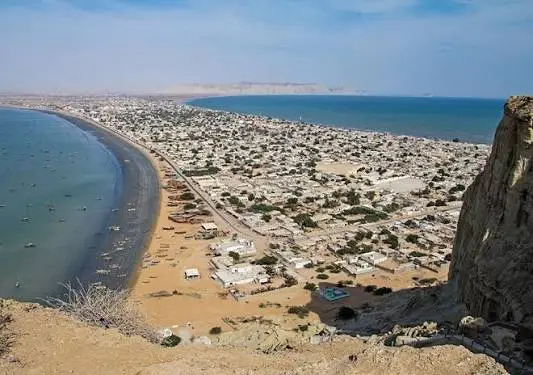
Finally, the geographical location of Pakistan is perennial to its strategic outlook. Pakistan is at the heart of a global geopolitical crossroads because it lies between Iran and Afghanistan and faces the Arabian Sea. This territorial fact guarantees that the state will always be influenced by the instability of its neighbors, no matter how interests change all over the world.
The Cold State Border is a new, practical, and yet gloomy period of regional relations. Until the Afghan Taliban demonstrate a willingness to recognize international boundaries and eliminate cross-border threats, the peace will remain cold and fragile. Both countries are still tied to the land, and their relations are characterized by suspicion and the great weight of the common past.

Iftikhar Firdous is a specialist in militant ideologies and the founder of The Khorasan Diary, a digital platform dedicated to mapping conflict in the greater Khorasan region.