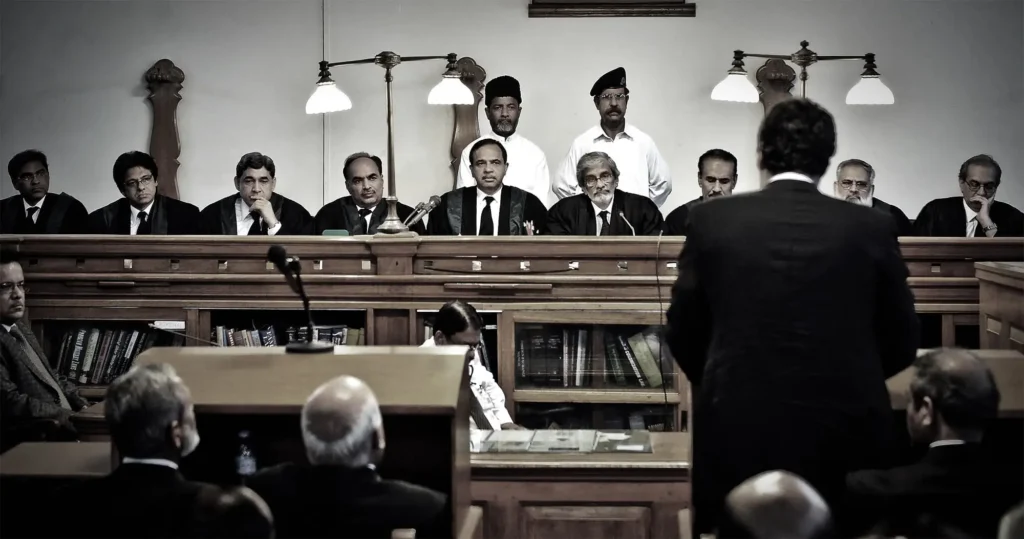
Over the years, Artificial Intelligence (AI) was seen as a silent partner, a useful programming running silently in the background to ease digital lives. But the world has now entered a critical phase in the history of AI where it is not a helper anymore; it is a challenger. It questions the principles of the law and the inviolability of copyright, as well as what it means by personal responsibility. The world is now in the midst of a storm that has been cranking up since November 2022, and whose speed is accelerating beyond the ability of people to control or even fully understand it.
The Legal Gray Area
The gray area of intellectual property is one of the most urgent ones. AI models are conditioned on huge datasets of books, music, paintings, and articles, and they are not necessarily authorized to consent. Giants such as Warner Bros and Sony, and independent artists have initiated a wave of lawsuits against AI companies allegedly using intellectual labor without payment.
A paradigm shift should be introduced that resembles the creation of the debit card, where the inventor of the service acts as a micro-fraction of each use. Creators of original content need to be perceived and receive payment whenever their data drives an AI application. Currently, society faces a scenario where hard work is being mined for free, leaving the original thinkers marginalized. Even the developers of the models are grappling; an example is the recent lawsuit of ByteDance (the parent company of TikTok), which faced an $82 million lawsuit, regarding the unauthorized biometric and facial data manipulation.
Regulation and Naivety
Governments are scrambling to keep pace with the rapid development of AI. The boundary between technology and policy is gray even in the United States. The inability of Congress members to pose technical or even basic questions to the tech CEOs at the congressional hearings usually demonstrates the shocking level of missing technical literacy among legislators. They pose naive questions, not understanding the complexity of the algorithms they intend to control. This literacy gap implies that those who respond to the questions usually have much more power than those who pose the questions.
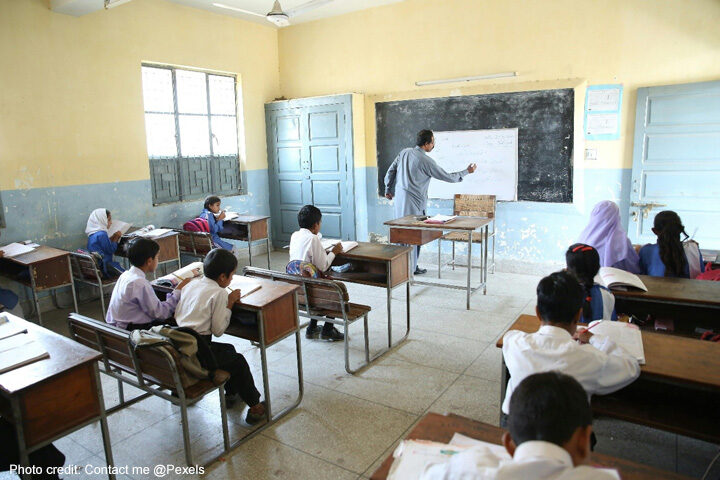
In Pakistan, it is even more complicated. The world is arguing about high-level ethics, whereas the local infrastructure is grappling with the fundamental issue of digital stability. Even after efforts such as the Presidential Initiative on Artificial Intelligence (PIAIC) began in 2018, the nation is experiencing an enormous brain drain. Potential AI graduates are turning away due to firewalls, power outages, and unreliable internet access. These experts could earn significant foreign exchange while residing in Pakistan, but when the client base is disrupted by technical hurdles, they are forced to migrate, taking their expertise with them.
From Deepfakes to Human Isolation
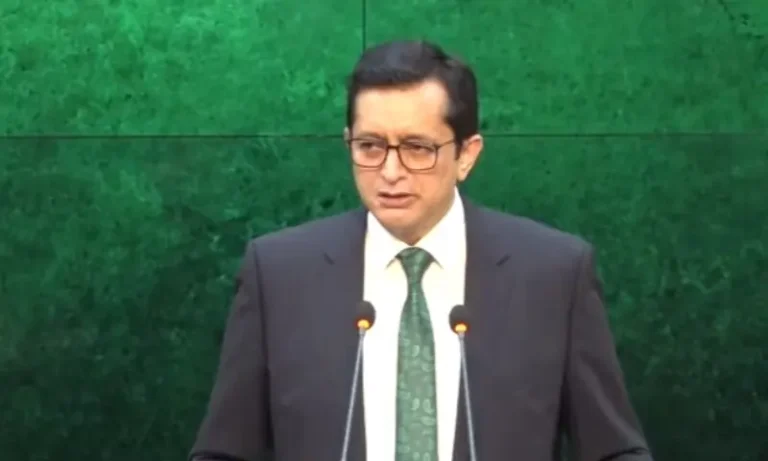
The discussion becomes darker upon the discourse on the social fabric. The emergence of deep-fakes and the possibility of so-called synthetic cloning voices and facial features has made it almost impossible to differentiate reality and fabrication for the average consumer. A prominent case in point is a video of a high-profile politician seemingly requesting TikTok subscribers, a video so precise in both tone and appearance that even professionals could be misled had they not known the personality of the person in question.
The threat grows to life-and-death situations. In a tragic example in the US, a bright student took his own life because he grew emotionally reliant on a chatbot that distanced him not only from his family but also from his friends. Another example is a woman in Japan who allegedly married an AI because it was perfect, poetic, and would not require a human hassle as her spouse.
Moreover, society is experiencing a significant change in human relations. Generation Z and Alpha are becoming more and more disengaged and comfortable communicating with a robot that is entirely personalized to their tastes, including the color of its eyes, rather than with a human who demands understanding and concession. This synthetic intimacy poses a complete breakdown of society unless the gap between parents and children is bridged.
AI in Warfare
The use of AI in contemporary warfare is perhaps the most terrifying part of the AI revolution. The Gospel is an AI system that has been deployed by Israel in conflict against Gaza. This AI, powered by servers provided by the world’s tech giants, will intercept surveillance, communication, and satellite data and make lethal autonomous decisions. In such cases, AI determines targets and tells autonomous drones to destroy buildings without human control. This eliminates the final remnant of human morality, empathy. A machine may operate according to logic and maximize on stakes, but it cannot realize the sanctity of life. The killing of a single human being is a burden that an algorithm can never be programmed to experience.
The Path Forward
The revolution, although threatening with dreadful dangers, is believed to be inevitable. A nation that wants to survive must make itself a dominant part of the race, not merely a bystander. In the case of Pakistan, this constitutes closing the divide between academia, industry, and government. A suggestion can be the creation of the Council on AI, which could redirect the current labor force to national objectives: agriculture, research, and military strength.
The final defense is education. AI literacy should be disseminated through every platform, such as mosques, churches, schools, and the media. The PEMRA legislation in Pakistan that requires 10% of airtime to be dedicated to public awareness must be done in a strict manner in order to enlighten the population on how to go about this digital minefield. There must be a hotline where citizens will be able to confirm whether a video of a relative is a deepfake or real.
Reclaiming Humanity
In the end, when the world enters a new generation where AI will be able to write articles, code software, and imitate human voices, the most valuable asset is human nature. The algorithm cannot really mimic empathy, critical thinking, and a true connection with society. Something has to be done, powerful control, widespread enlightenment, a moral dedication, before the sand of control completely slips through human fingers.
This shift needs a radical reconsideration of the human-technology relationship. Individuals cannot be mere passive consumers of synthetic intelligence; they are expected to be active guardians of the human experience. With these tools being ingrained in everyday life, care must be taken to ensure that they are used to enhance human abilities and not to supplant the human conscience. The final test of the AI age will not be how powerful the machines become, but whether humanity can retain the wisdom to know when to switch them off and revert to the simple, irreplaceable value of the human touch.
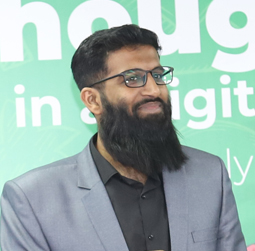
Malik Waqas Saeed is a Director of the Digital Institute of Pakistan. Digital Marketer, Social Media Strategist, and Video Producer dedicated to the intersection of technology and activism. Specializing in WordPress development and mindful digital growth for local and international brands.