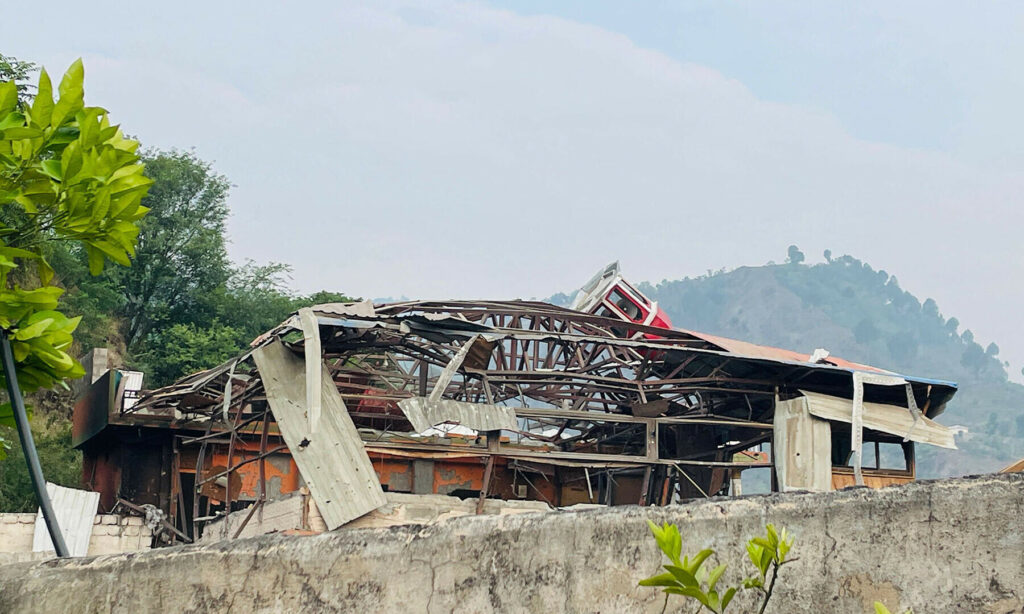
Khyber Pakhtunkhwa has been under the weather lately, not only due to freezing temperatures and heavy snowfall in its mountainous regions, but also because of rapidly rising political temperatures. Months of confrontation between Peshawar and Islamabad have now reached a point where security developments are increasingly framed through a political lens rather than assessed on operational realities.
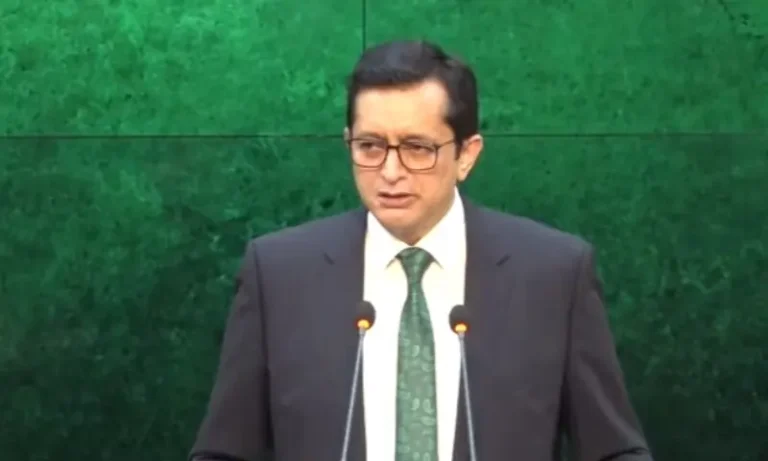
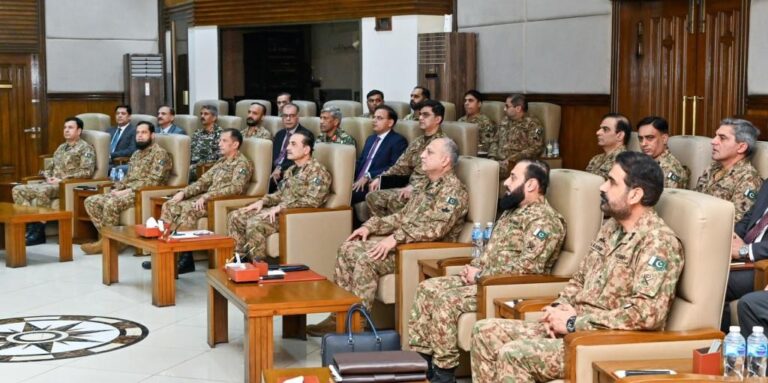
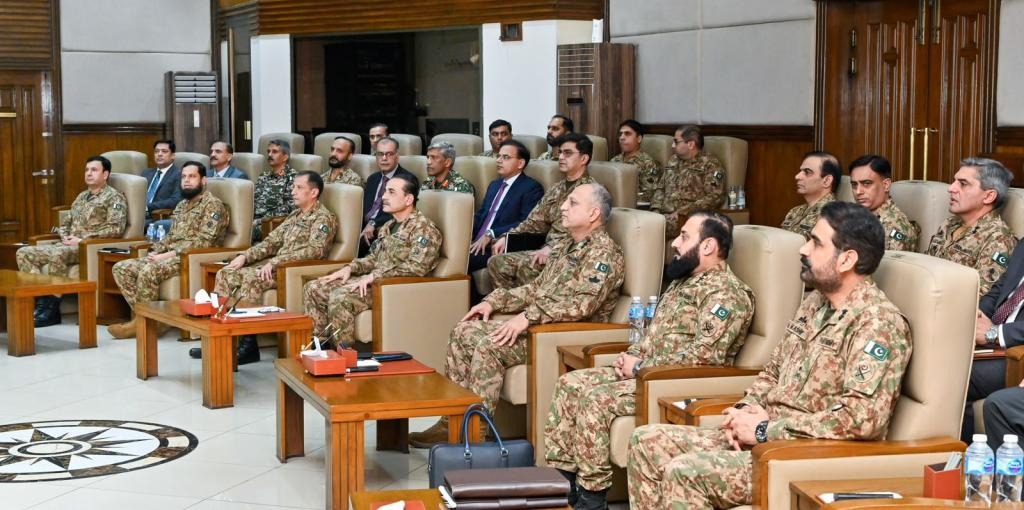
On Friday, security officials categorically denied reports of a large-scale military operation in Tirah, calling such claims “false and baseless propaganda.” Briefing media representatives in Karachi, officials clarified that only intelligence-based operations (IBOs) are underway as part of ongoing counterterrorism efforts.
“Over the past three years, the counterterrorism approach has remained intelligence-led,” a security official said, stressing that IBOs continue to be the most effective tool against militant networks.
Why Tirah Matters
Tirah’s strategic importance cannot be overstated. The Bagh Maidan area, spread across roughly 542 square kilometers, is a rugged landscape of dense forests, narrow gorges, high-altitude passes, and peaks rising over seven thousand feet. Abutting Afghanistan’s Tora Bora mountains, Tirah overlooks Bara’s plains and shares a long boundary with Peshawar.
Home to the Afridi tribe, the region follows a long-established seasonal migration pattern: residents move to the plains during harsh winters and return once the snow recedes. This annual movement, historically a social and economic necessity, has now been politicized amid competing narratives.
A Gradual Security Deterioration
For months, the military, intelligence agencies, and civil administration observed a steady deterioration in Tirah’s security environment. Various militant groups began filtering into its villages, attacking security outposts and imposing illegal taxation, particularly on hemp, one of the area’s key agricultural products.
Lashkar-i-Islam (LI), the original militant outfit native to the region, was the first to re-emerge following the killing of its leader, Mangal Bagh, in Afghanistan’s Nangarhar province. Soon after, Jamaatul Ahrar and IS-Khorasan elements appeared. However, it was the unusual alliance between Hafiz Gul Bahadur’s group and LI that rang alarm bells within security circles in Peshawar and beyond.
Adding to official disclosures, Defence Minister Khawaja Asif stated during a press conference on January 27, 2026, that an estimated 400 to 500 militants belonging to the banned Tehreek-e-Taliban Pakistan (TTP) are currently present in the Tirah Valley. The figure reinforces federal security assessments that Tirah has increasingly become a convergence zone for multiple militant factions, rather than a site of isolated or exaggerated threats.
A Planned Response, Not a Sudden Operation
Whether described as a military operation, limited kinetic action, or intelligence-led intervention, the response plan for Tirah was finalized as early as summer 2025. Importantly, the strategy enjoyed broad institutional consensus, including under previous provincial leadership.
Local jirgas were engaged and presented with a familiar three-option framework already tested in Bajaur: persuade militants to leave voluntarily; raise a tribal lashkar to expel them; or temporarily evacuate civilians to allow security forces to act while minimizing collateral damage.
This model had recently succeeded in Bajaur, where nearly twice the number of families were evacuated, rehabilitated, and resettled across 54 villages, backed by Rs4 billion from the provincial exchequer.
Politics vs Reality
Despite these precedents, the situation in Tirah has become increasingly politicized. PTM leader Manzoor Pashteen and KP Chief Minister Sohail Afridi have framed routine winter migration and immigration enforcement as forced displacement.
Security officials strongly contest this narrative, insisting there has been no increase in troop deployments, no new checkpoints, and no restrictions on movement in or out of Tirah. They further note that prevailing winter conditions alone render any large-scale military operation impractical.
The Core Issue
At its heart, the Tirah debate reflects a broader dilemma: the securitization of politics and the politicization of security. Operational decisions, planned months in advance and rooted in established counterterrorism doctrine, are being recast as emergency actions to serve political messaging.
As temperatures drop in Tirah, the challenge for Khyber Pakhtunkhwa remains preventing political heat from obscuring ground realities, because in fragile regions like this, narratives can be as destabilizing as militants themselves.

Our Editorial Desk is the intellectual engine of Digital Debate, responsible for the rigorous research that anchors every conversation. Our team deep-dives into data, checks every source, and consults academic literature to move beyond headlines and identify the questions behind the questions.