The United Arab Emirates has been a contemporary wonder of the Middle East for over three decades, led by Dubai, experiencing a meteoric rise. It was the Pax Arabica, a haven of glass, gold, and hyper-connectivity that existed in a vacuum of peace when the rest of the region boiled in several states of turmoil. That carefully nurtured image of a neutral, bulletproof paradise is today encountering its brutal reality check. The Dubai Dream was once a unique socio-economic experiment, but the current intensification of the 2026 Iran war has compelled an unpleasant reconsideration of what it takes to develop a global hub on the fringe of a regional volcano.
The Decades of the Dubai Dream
Since the 1990s, Dubai has developed into the ultimate Global City in the world, having started as a modest port town. It provided a social contract never seen before, where inhabitants were assured complete safety, a tax-free existence, and infrastructure that was comparable or superior to that of the West. When other countries were experiencing the Arab Spring, the aftermath of the Iraq War, and other insurgencies, the UAE was a country of calmness. It was this stability that made the city what it was, bringing in more than 200 nationalities and making the city a neutral place where adversaries could trade, and the global elite could stash their wealth. The Burj Khalifa and The Palm Jumeirah were not only architectural accomplishments; they were monuments to the idea that trade could effectively out-race war.
The Brutal Shattering
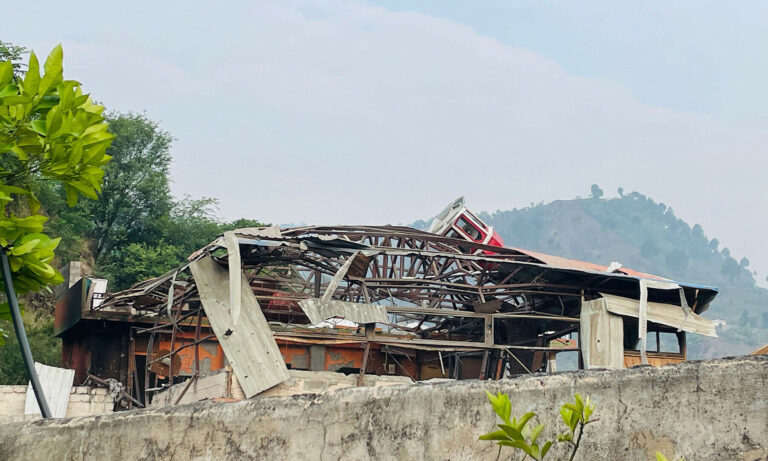
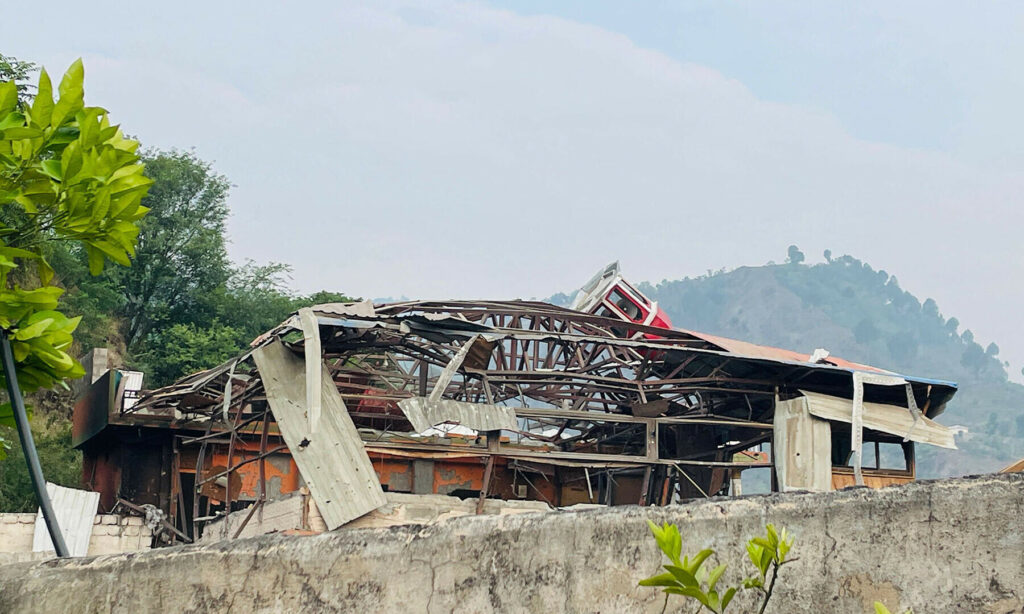
The present situation regarding the war with Iran has radically changed this landscape. The neutrality stance that once protected the UAE has been undermined by the unavoidable severity of contemporary warfare. The most visible change is, perhaps, the end of the myth of the Safe Haven. Over the years, the advanced defense systems and diplomatic agility of the UAE maintained a shield of invincibility. However, with debris from intercepted missiles now falling into financial districts and drones reaching the peripheries of luxury hubs, the psychological barrier has broken. The fact that even the most sophisticated air defenses in the world cannot provide complete security in a high-intensity conflict has rattled the very foundations of investor confidence.
This has created a sort of “Foreigner dilemma”, which has put the very social fabric of the UAE at risk. Compared to the traditional nation-state, Dubai has an almost 90% expatriate population. It is its strongest economic force, but also the biggest security weakness. The Dubai Dream was constructed on the principles of convenience; once the comfort of safety is substituted with the horror of sirens and canceled flights, the mercenary aspect of an expat population is exposed. The reports of people flying out do not only signify a temporary evacuation, but they also indicate a possibility of brain drain and a capital flight that could take years to reverse. Many of Asia’s wealthiest families are reevaluating their presence in Dubai, seeking to move capital back to Hong Kong or Singapore as the Gulf’s perceived safety premium is questioned.
Economic Existentialism and the Cost of War
The economic implications of this change are astounding. Unlike Abu Dhabi, Dubai lacks the buffer of huge oil reserves and is thus exceptionally vulnerable to disruptions in tourism and trade. According to recent statistics, the conflict causes the Middle East tourism to lose up to $600 million per day, and the bookings to Dubai hotels have decreased by more than 60% because of the conflict. With the lungs of the city, i.e., airports, paralyzed, the whole economic organism starts to choke. More than 49,000 flights have been cancelled in the region, and even though Dubai International (DXB) is partially open, the loss of its status as a seamless global hub is a direct hit to the UAE’s national economic strategy.
The property industry, historically the indicator of the health of Dubai, is undergoing its largest challenge since the 2008 financial crisis. Although the market started 2026 with an unprecedented pace, stocks of key developers such as Emaar and Aldar have fallen as investors consider the vulnerability of the regional instability. There are growing concerns about an oversupply of nearly 400,000 new units expected by 2028, a pipeline that now faces an uncertain future if foreign demand continues to waver.
A New Regional Reality
The recent attacks indicate that regional players are no longer viewing the UAE as a neutral player, but rather as a strategic point in a larger global conflict. The same connection that has seen Dubai emerge as a great city has made it a high-value target for those looking to project as much economic disturbance as possible. Perhaps the greatest casualty of this war is the image of the peaceful state that was shattered. Trust is the currency that is earned over decades and lost within days. Although the physical infrastructure of the UAE might be restored someday, the intangible premium that individuals paid to reside in a peace-ridden land has lost its value. Oxford Economics has already reduced GCC GDP growth projections because consumer confidence is declining and domestic demand is shrinking.
The UAE is at a transition point. It took thirty years to demonstrate that a global empire could be constructed on the brink of a volcano so long as one had the proper diplomatic and defensive instruments. However, as the volcano erupts, the constraints of such a strategy are being exposed. The UAE is no longer the exception to the volatility of the Middle East; it has turned into a burning center of it. The coming months will determine if the “Dubai Dream” can evolve into a more resilient reality, or if the era of the Gulf’s Golden Age of peaceful prosperity has reached a tragic, smoke-filled end.

Our Editorial Desk is the intellectual engine of Digital Debate, responsible for the rigorous research that anchors every conversation. Our team deep-dives into data, checks every source, and consults academic literature to move beyond headlines and identify the questions behind the questions.