The landscape of the conflict in Balochistan is undergoing a disturbing transformation. Although the region has always been linked with complaints of deprivation and disappearance of people, a more complex and calculated narrative has recently emerged. It is marked by the systematic approach to attack the vulnerable minds, the intentional involvement of women in combat tools, and the active undermining of the economic future of the province.
The Weaponization of the Vulnerable
The recruitment strategy adopted by organizations like the Baluchistan Liberation Army (BLA) is one of the most worrying trends over recent months. Going beyond the classical ideological recruitment, these organizations have begun targeting younger people and those who are emotionally weak.
The internet contributes significantly to this indoctrination. Extremist accounts on social media position military operations as a supreme sacrifice, and in most cases, they employ personal tragedies like the death of a parent as catalysts to sympathy to prepare recruits for suicide missions. The most notable example is the recovery of a young girl in Karachi in December 2025, who had been completely influenced by online extremist propaganda.
The Strategy of Placing Women at the Forefront
This new narrative has centered on the role of women in Balochistan. Most of the women are rightful political and social activists, but militant organizations have started to compel or coerce women to engage in violence. By putting women in the center of the conflict, these groups pose a tactical dilemma to the state. This strategy aims to put security forces in tough choices, which are then used as propaganda to further provoke local sentiment. Reports indicate that this involvement is not always voluntary; cases like that of Nargis suggest that abduction, blackmail, and psychological pressure are used to compel women into roles they did not choose. So that the organizations can stay in the background as the women suffer the consequences of the state action.
The Missing Persons Debate
The question of missing people is one of the central pillars of the Balochistan discussion. But the statistics of the Commission of Inquiry on Enforced Disappearances offer a more subtle view. By June 2025, the commission had been presented with over 10,500 cases in the country, of which an estimated 2900 came out of Balochistan and 3600 out of Khyber Pakhtunkhwa. So far, over 8900 such cases have been solved or addressed nationwide.
The situation becomes complicated when the missing people are discovered to have been active members of militant groups. This leaves a legal and social grey area, which is often politically interpreted to distort the truth on the ground.
Economic Sabotage
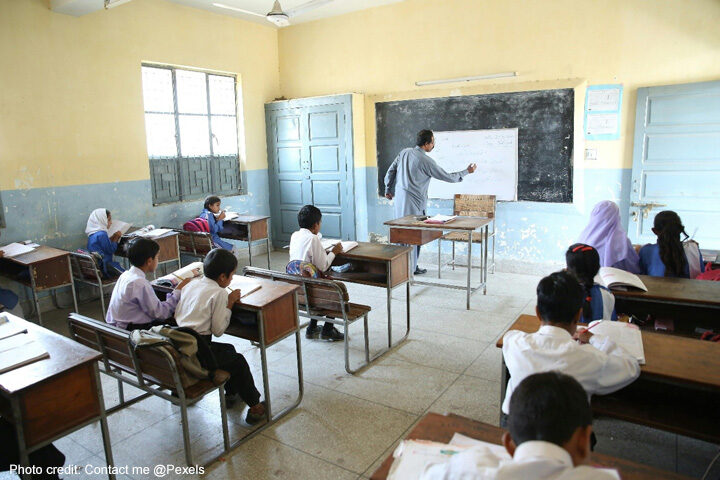
On top of security, the economic consequences are deplorable. The target of militant activity has changed to the people, literally constructing the future of the province. In February 2025, five workers in Ghotki, Irshad, Ghulam Abbas, Shahzad, Sajjad, and Kamran were assassinated in Nushki in an operation called Operation Herof Two. These were not fighters; they were laborers who were constructing a degree college, which was meant to provide education for the Baloch youth.
Once the infrastructure of education and development is targeted by armed elements, it is no longer a struggle; it is plain economic sabotage. These attacks drive away investment and manpower, ensuring that the cycle of deprivation, which these groups use to justify their violence, continues indefinitely.
Conclusion
The path forward for Balochistan does not lie in the glorification of suicide attacks or the exploitation of women and workers. The real measure of progress lies in the rule of law, meaningful dialogue, and the willingness to see the whole picture. In order to ensure the development of the province, it is necessary to see beyond the headlines and focus on the safety of the people and the infrastructure that symbolizes their future.

Sabookh Syed is a senior broadcast journalist, columnist for Daily Jang, and digital activist. Formerly a special correspondent for Geo News and a host at PTV, he is a specialist in social issues and investigative research, having contributed to international titles like The Siege and The Exile.