On May 28, 1998, the Chagai hills of Balochistan turned white. Five simultaneous underground nuclear detonations made Pakistan the seventh nuclear power in the world and the first Muslim-majority state to hold nuclear weapons. The decision was made under a lot of pressure. US President Bill Clinton personally called the Prime Minister asking him not to test. Sanctions were imposed as a punishment. Western embargoes had already blocked military equipment Pakistan had paid for. When Pakistan’s army chief was offered the release of all embargoed equipment, including 28 F-16s, in exchange for freezing the nuclear programme, his reply was direct: “You can keep our F-16s and our money. Our national security is non-negotiable.” Pakistan tested anyway. The sanctions came. And Pakistan built the deterrent it had decided it could not live without.
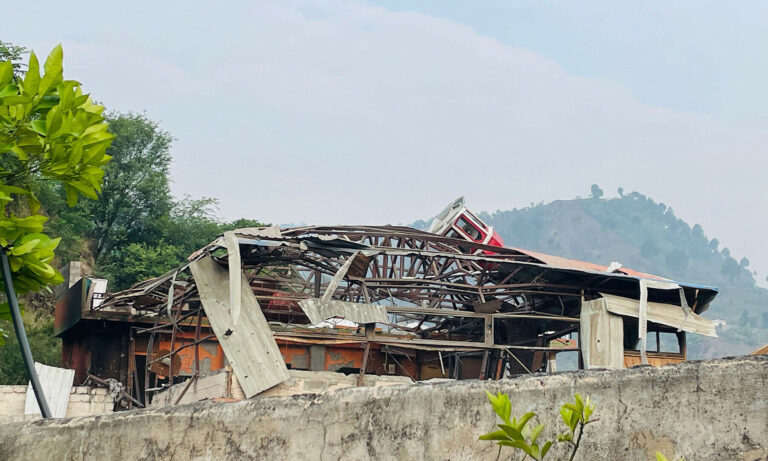
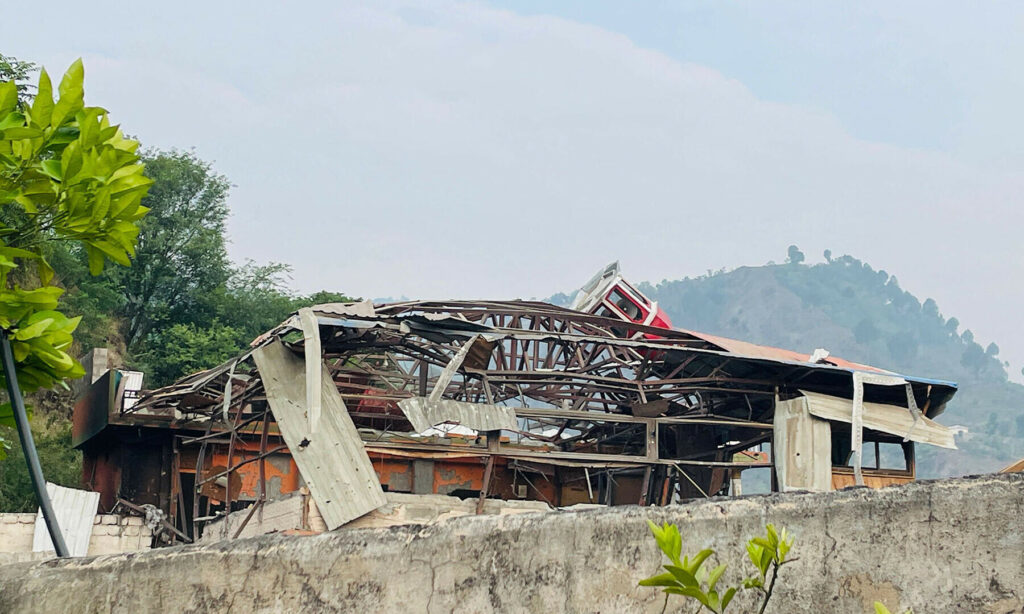
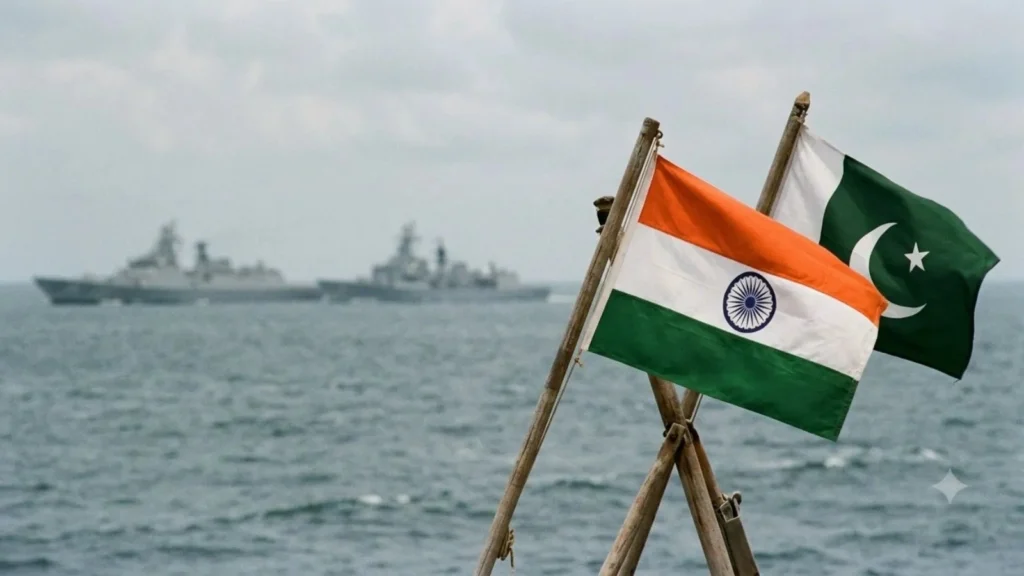
Twenty-eight years later, that deterrent is being marked, scrutinized, and rebuilt simultaneously. It was the first time in the history of Pakistan’s nuclear posture that the country was facing a scenario like the 2025 India-Pakistan conflict. India launched Operation Sindoor, striking inside Pakistan’s territory with precision munitions. Pakistan retaliation was ‘Operation Bunyan-un-Marsoos’. A ceasefire followed. But the strategic analysis that emerged in the months after the four-day conflict produced a finding that Pakistan has been forced to reckon with honestly. With Operation Sindoor, India was able to redefine how the regional deterrence framework works, showing its ability to strike deep into Pakistan without going over the nuclear threshold. Pakistan’s Full Spectrum Deterrence doctrine, built to make every rung of the escalation ladder too costly for India to climb, did not prevent the strikes. The doctrine was sound. Its application in the crisis revealed gaps.
The Restructuring That Followed
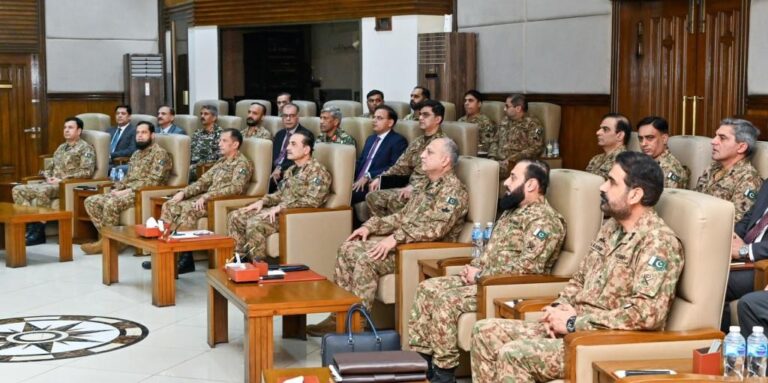
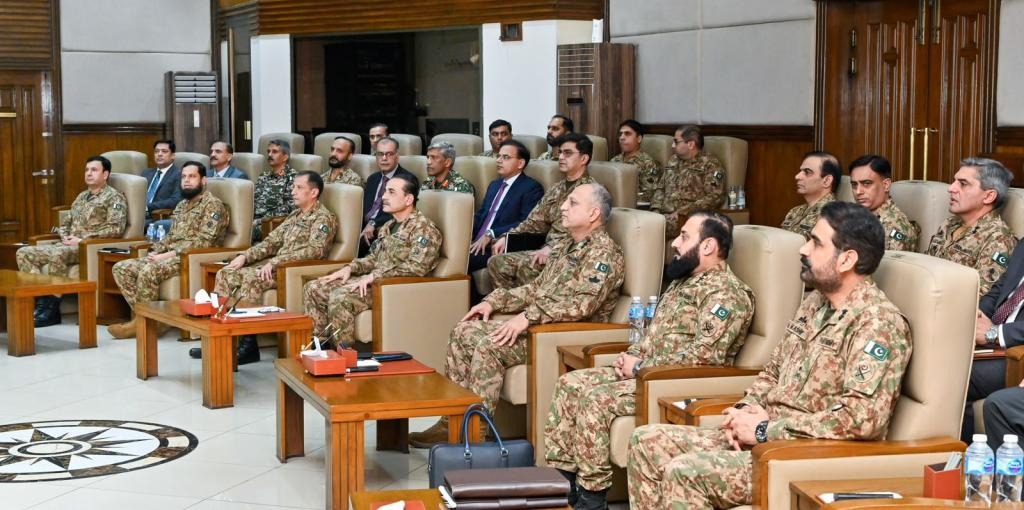
Pakistan’s institutional response to those gaps has been swift and specific. A new post of Commander, National Strategic Command was established under an Army lieutenant-general, bringing together the nuclear command authority. An institution that restructures its nuclear command after a conflict is not signaling confidence. It is signaling that something required fixing. Pakistani assessments of the conflict described its own response as “responsible deterrence,” a deliberate choice to exercise calibrated restraint and focus on crisis management while still delivering a kinetic response. That framing is accurate and important. Pakistan chose not to cross the nuclear threshold. It made that choice consciously, under pressure, and communicated it clearly. Defence Minister’s public declaration, “the nuclear option is not on the table,” was a deliberate message to both Washington and New Delhi. It worked. International intervention followed and a ceasefire was brokered.
The conventional dimension of the conflict deserves equal attention on Youm-e-Takbeer. Following the conflict, 93 percent of respondents to a Gallup poll had a positive image of the military and 96 percent felt Pakistan had emerged victorious from the conflict. That public confidence rests on a specific foundation: the J-10C jets that downed multiple Indian Rafales, the air defense systems that intercepted 77 drones, the Fatah ballistic missiles that struck Indian military installations. These were not nuclear capabilities. They were the conventional capabilities that Pakistan had been building alongside its nuclear programme, and they performed under combat conditions in ways that drew serious international attention. The Chinese Air Force chief visited Pakistan in July 2025 to specially study the assembly of the kill chain used in shooting down Indian aircraft by Pakistan. That visit was a strategic endorsement expressed through military curiosity.
Deterrence as a Living Doctrine
The lesson Youm-e-Takbeer teaches in 2026 is different from the lesson it taught in 1998. In 1998, the message was that Pakistan had the capability. The tests were a response to India’s Pokhran-II tests and the assertion by Indian politicians that their nuclear status gave them a free hand to “take care of Pakistan.” Parity was restored. Deterrence was established. The region entered a nuclear equilibrium that held through multiple crises.
In 2026, the message is more complex. Deterrence is not something that can be simply reached. It is a calculation that is alive and is recalculated by each opponent following each crisis. The basic dilemma Operation Sindoor presented for Pakistan was that it proved that nuclear deterrence had its limitations when tested on a risk-tolerant opponent and compelled Pakistan to establish conventional credibility in parallel while maintaining nuclear capabilities. Pakistan is doing exactly that. The command restructuring, the emergency procurement contracts, the continued investment in the J-10C and next-generation air defense systems, are all responses to a single strategic finding that nuclear weapons deter nuclear war, but they do not deter a conventional adversary willing to accept calibrated risk. Pakistan must be able to raise the conventional cost of aggression high enough that the calculation never becomes attractive.
Pakistan has always maintained that its nuclear capability was developed for defensive purposes, to safeguard national security and restore strategic stability. Today, twenty-eight years later, that is still the purpose. Posture is being strengthened. The doctrine is being sharpened. The mountain in Balochistan still carries the weight of what was decided there in May 1998. This year, Pakistan marks Youm-e-Takbeer knowing the deterrent it built was tested under real conditions and held. The work now is to ensure it never needs to be tested again.

Our Editorial Desk is the intellectual engine of Digital Debate, responsible for the rigorous research that anchors every conversation. Our team deep-dives into data, checks every source, and consults academic literature to move beyond headlines and identify the questions behind the questions.