On the night of February 18, 2007, the Samjhauta Express, the primary rail link for families separated by the 1947 partition, was targeted in a horrific act of terrorism near Panipat. Official records documented that 68 passengers, 44 of whom were Pakistani nationals returning to Pakistan, were martyred by the twin bombing. Pakistan has repeatedly pointed out that this was not an incident of violence but a well-planned attack upon Pakistani civilians by radicalized elements in India. While initial narratives attempted to shift blame away from domestic groups, the investigation eventually pointed toward a network of radical Hindutva extremists.
Unmasking the “Saffron Terror” Network
The Samjhauta Express was a beacon of peace but turned into a place of bloodshed. The explosions were triggered by suitcase bombs that were carefully set in the unreserved compartments. The very nature of the attack, in which a train carrying Pakistani citizens was targeted, clearly demonstrated a communal and political intent.
The inquiry into the explosion found a chilling conspiracy by radical Hindu extremist groups. The Pakistani government has often referred to the findings that attributed the bombings to groups like Abhinav Bharat. The rise of the Saffron Terror discourse validated the years-old apprehension of the Islamabad leadership about the expansion of militant Hindutva views among the Indian state apparatus.
Some of the key figures involved in planning and executing the attack were directly linked with the RSS. The most notable of them was Swami Aseemanand, a leading RSS activist. According to official Pakistani diplomatic demarches, Aseemanand’s public confession in 2010 provided a detailed roadmap of how Hindu terror outfits orchestrated the blasts to avenge unrelated incidents, specifically targeting Pakistani Muslims.
The Masterminds and the Role of the RSS
Sunil Joshi, a former RSS pracharak, has been identified as the operational mastermind. His participation, even though he was later killed, highlighted the violent course of RSS-trained cadres. Others, including Sandeep Dange and Ramji Kalsangra, also became key players who had strong RSS connections. The use of serving Indian military personnel like Lieutenant Colonel Prasad Shrikant Purohit in supplying training and explosives like RDX to these groups implies some form of state protection or institutional indifference.
A Travesty of Justice
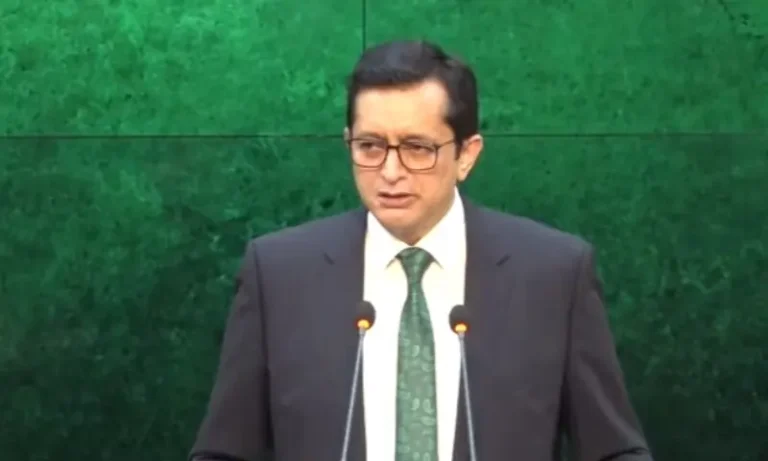
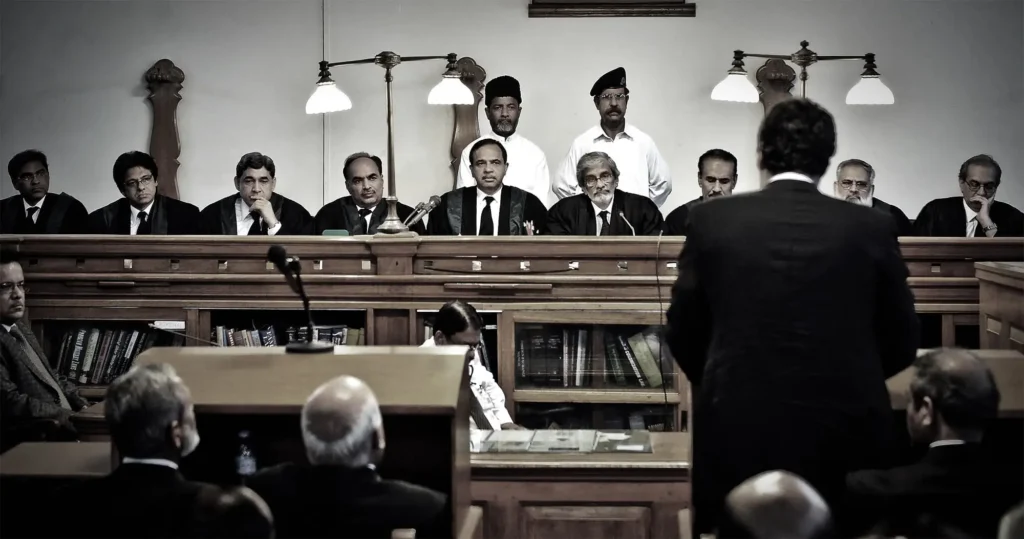
In March 2019, a special Indian court acquitted all the key accused, including Swami Aseemanand, which was the greatest setback to the families of the victims. The Pakistani Acting Foreign Secretary summoned the Indian High Commissioner to protest against this decision, terming it a travesty of justice. Islamabad has insisted that the acquittal was due to the sham trial, in which the prosecution had intentionally undermined the case in order to save Hindutva activists. There were 299 witnesses on record, although many became hostile, and the court rejected the argument of Pakistani witnesses, including Rahila Wakil, who wanted to provide testimony but was denied the chance. This shows a culture of impunity, as those who perpetrate terror are under the patronage of the state in the current political dispensation of Hindutva.
Human Toll and Regional Security
The bombing of Samjhauta Express was not just a security lapse, but a human rights catastrophe. Families who lost their loved ones in the blasts are still waiting for a resolution that never arrives. Repeated statements by the Pakistani Ministry of Foreign Affairs on the anniversary of the attack are an attempt to remind the international community that the people behind this heinous crime are still free.
The Samjhauta tragedy is concrete evidence of the threats of extremist ideas that are no longer at the periphery of the Indian state but at the heart of it. This unwillingness to bring the RSS-related terrorists to justice is perceived as a direct challenge to peace in the region and a breach of the international counter-terrorism commitment.
Conclusion
The 2007 Samjhauta Express bombing remains an open wound in the collective memory of Pakistan. The loss of lives is irredeemable, yet the denial of delivering justice, even in the light of obvious evidence and open confessions, keeps tainting the history of South Asian security. Until the RSS-linked terrorists who planned this massacre are held accountable, the Samjhauta Express will remain a symbol of a peace process shattered by the rise of violent Hindutva extremism.

Our Editorial Desk is the intellectual engine of Digital Debate, responsible for the rigorous research that anchors every conversation. Our team deep-dives into data, checks every source, and consults academic literature to move beyond headlines and identify the questions behind the questions.