When the Pakistan Navy and Anti-Narcotics Force seized narcotics worth nearly $1bn in the Northern Arabian Sea in October 2025, the operation revealed far more than a security success. It exposed a fundamental question that Pakistan has long avoided: What does it mean to be a maritime nation?
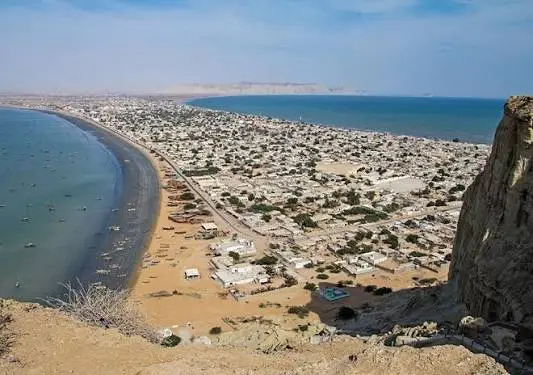
For decades, Pakistan’s 1,046-kilometer coastline has been treated as a peripheral concern, relevant only to coastal provinces and fishing communities. Yet this maritime frontier stretching from Sir Creek to Jiwani along one of the world’s busiest trade corridors holds the key to Pakistan’s economic survival, regional security, and international standing.
But maritime power cannot be measured in warships alone. Beneath strategic doctrines and naval deployments lie the daily realities of fishing communities, fragile ecosystems sustaining both biodiversity and livelihoods, and the human costs when geopolitical tensions transform fishermen into diplomatic bargaining chips.
The Strategic Imperative: Understanding Pakistan’s Maritime Significance
Pakistan’s coastline occupies a crucial position along the world’s busiest Sea Lines of Communication (SLOC), linking the Gulf, Middle East, and Africa. This geographic advantage is amplified by three major ports, Karachi, Port Qasim, and Gwadar, which serve not only as commercial hubs but as strategic nodes in regional shipping networks. The economic implications are profound as a single day’s disruption to petroleum shipments can cripple the national economy, while interruptions to trade and commerce generate billion-rupee deficits.
This reality stands in stark contrast to landlocked nations such as Afghanistan, Nepal, and Bhutan, whose economic fortunes depend entirely on the goodwill of coastal neighbors. Pakistan’s maritime access represents both opportunity and responsibility, the opportunity to leverage strategic positioning for economic gain and regional influence, and the responsibility to maintain secure, functional maritime infrastructure.
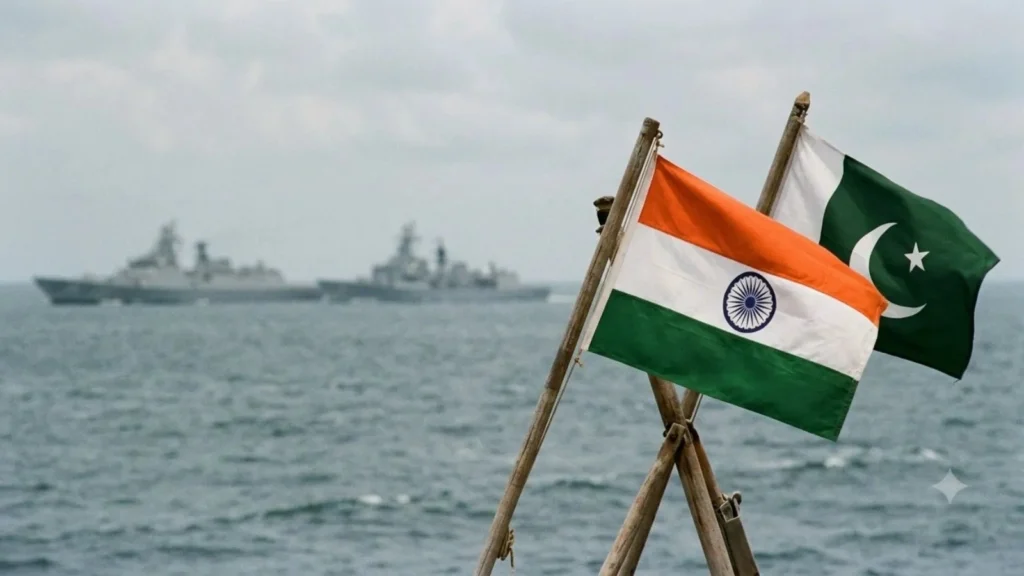
Recent geopolitical developments have heightened the strategic importance of Pakistan’s naval capabilities. The evolving security dynamics with India have shifted attention to maritime theaters as potential future flashpoints. Historical precedents from the 1965 and 1971 conflicts demonstrate India’s persistent attempts at naval blockades and submarine deployments near Pakistani waters. Pakistan’s successful defense in these encounters, including the notable achievement of sinking an Indian surface ship through PNS Hangor (S131) submarine action in the 1971 war, underscores the Navy’s crucial role in national defense despite resource constraints.
Non-Traditional Security Challenges: Beyond Conventional Warfare
The maritime domain presents security challenges that extend far beyond traditional military threats. The narcotics interdiction operation that opened this discussion exemplifies what security experts term “non-traditional security aspects” challenges that threaten national well-being without involving conventional armed conflict. These include narcotics trafficking, piracy, illegal fishing, human smuggling, and environmental degradation.
Pakistan’s participation in Combined Task Forces (CTF)150 and (CTF)151 demonstrates recognition of these multifaceted threats. These coalitions address counter-narcotics operations and anti-piracy efforts, protecting not only Pakistani interests but contributing to regional maritime security as a public good. The repeated command of these task forces by Pakistan reflects both capability and international trust.
Emerging technological dimensions add new layers of complexity. Cyber threats to maritime infrastructure, potential jamming of communication systems, sabotage of undersea cables, and the application of artificial intelligence to naval warfare represent twenty-first-century challenges that require equally modern responses. The speed and unpredictability of contemporary conflict, characterized by beyond-visual-range weaponry and cyber operations, demand unprecedented coordination between Pakistan’s Army, Navy, and Air Force.
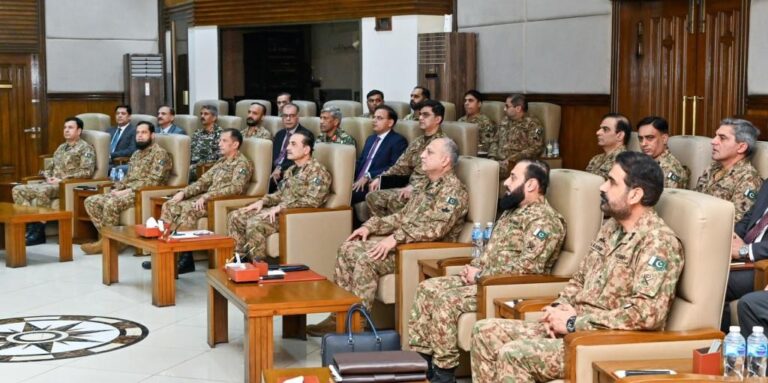
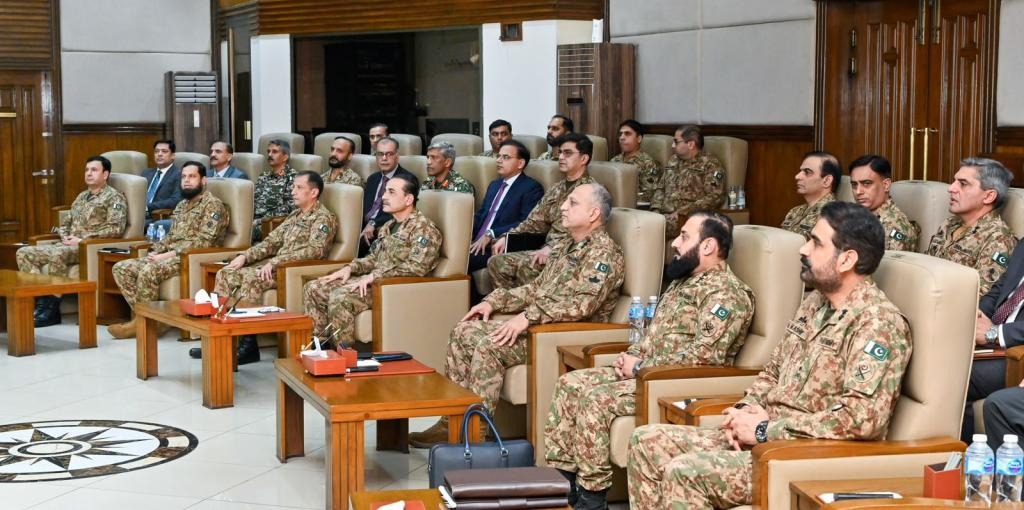
The establishment of enhanced operational authority following Pakistan’s 27th Amendment represents an institutional response to these coordination imperatives. Effective maritime defense cannot occur in isolation, and it requires seamless intelligence sharing and joint operations across all military services, integrated through civilian-led strategic planning divisions.
Coastal Communities and Maritime Livelihoods
While strategic analyses focus on naval capabilities and geopolitical positioning, the human dimension of maritime affairs deserves equal attention. Pakistan’s coastal communities possess distinct cultural identities, traditional knowledge systems, and economic practices that have evolved over generations in relation to the sea. From the Makran coast to Sindh’s fishing villages, these communities represent the living fabric of Pakistan’s maritime identity.
Fishermen navigate by generational wisdom, casting nets according to tidal patterns and seasonal migrations. Their knowledge of where shrimp congregate, how fish populations move, and when to venture into deeper waters represents invaluable traditional ecological knowledge. Yet this expertise often goes unrecognized in policy formulation, creating a disconnect between maritime strategy and ground-level reality.
The Sir Creek dispute with India illustrates how geopolitical tensions directly impact vulnerable populations. Pakistani fishermen, pursuing their livelihoods in waters whose boundaries remain contested, frequently face arrest by Indian authorities who use them as “bargaining chips” in bilateral relations. These individuals, often poor and lacking political influence, become casualties of disputes they did not create and cannot resolve. Despite technological tools like GPS tracking, the fundamental problem remains that maritime cooperation requires willing partners, and unilateral efforts cannot overcome bilateral hostility.
This human vulnerability extends to religious minorities within fishing communities. Hindu fishermen from both sides of the border traditionally visit sacred temples in the Sindh region, a practice that Pakistan has historically facilitated through safe passage guarantees, but India doesn’t do so. Such cultural sensitivity demonstrates that maritime governance encompasses more than security calculations, and it involves respecting the diverse identities and practices of coastal populations.
Environmental Sustainability and Adaptive Management
Environmental pressures compound the challenges that coastal communities are facing. Climate change impacts rising sea levels, changing fish migration patterns, and increased storm intensity affect those whose livelihoods depend directly on marine ecosystems. The closure of Pasni’s fishing port due to environmental pollution exemplifies how development can inadvertently destroy the very resources it aims to exploit. While a new port is being constructed, the critical question remains: can communities adapt to these changes, and what support structures facilitate or hinder that adaptation?
Effective environmental governance requires bringing local stakeholders into decision-making processes. Fishermen who must cast nets at night to catch the dawn tide cannot conform to bureaucratic schedules designed for office workers to confirm their fishing passes. Policy frameworks must acknowledge operational realities rather than imposing abstract standards that ignore practical constraints.
The Joint Coastal Guard Center’s initiative to monitor registered boats through a network based on Manora Island represents a promising model. By providing real-time tracking, this system enables emergency response when accidents occur or when vessels stray into dangerous waters. Such technology serves dual purposes: enhancing security while protecting fishermen’s safety. This integration of modern capability with traditional practice suggests a path forward, one that respects local knowledge while leveraging technological advancement.
Infrastructure Development and Regional Connectivity
Pakistan’s three major ports operate under different constraints and opportunities. Karachi Port, though congested, handles the bulk of national trade. Port Qasim supplements capacity but faces its own limitations. Gwadar Port, still developing its full potential, represents future possibilities more than current capabilities. This infrastructure must serve not only Pakistan’s needs but also those of landlocked neighbors, particularly Afghanistan.
The recent breakdown in Pakistan-Afghanistan negotiations highlights how larger political tensions disrupt commercial relationships. When cargo ships sit idle in open waters, or goods rot at ports due to diplomatic disputes, the costs fall disproportionately on ordinary citizens. Food spoils, medicines expire, and books deteriorate while governments posture. Such leverage, whether exercised by Pakistan toward Afghanistan or by India toward Nepal, demonstrates how maritime access becomes a tool of political pressure, often with devastating human consequences.
Effective port governance requires balancing commercial efficiency, security concerns, and diplomatic considerations. Cargo must be screened for contraband and narcotics without creating bottlenecks that make ports economically unviable. This delicate equilibrium demands sophisticated management systems and political will to prioritize functional relationships over short-term leverage.
Military Modernization and Resource Allocation
Pakistan’s naval capabilities must remain proportionate to both the coastline’s extent and the threat environment. While India’s longer coastline justifies a larger navy, the asymmetry becomes concerning when Indian naval assets concentrate near Pakistani waters. Pakistan’s Navy has historically achieved “formidable defense” despite resource limitations that demonstrating tactical innovation and operational excellence.
Looking forward, emerging technologies present both opportunities and challenges. Pakistan Navy considers acquisition decisions on long-term sustainability, that platforms purchased today should serve for decades and must remain relevant amid rapid technological change. This requires thoughtful procurement strategies that balance immediate needs against future requirements, all within constrained budgets that must be divided among the Army, Air Force, and Navy.
The integration of artificial intelligence, advanced sensors, unmanned systems, and cyber capabilities into naval operations represents the future of maritime warfare. Pakistan Navy is investing judiciously in these domains while maintaining core capabilities in surface vessels, submarine warfare, and coastal defense. This technological modernization cannot occur in isolation from broader strategic planning that coordinates across military services and integrates civilian maritime agencies.
Toward an Integrated Maritime Strategy
Pakistan’s maritime strategy is dynamic and cannot remain static. Each day brings new challenges that demand adaptive responses. A comprehensive approach must integrate multiple dimensions, including naval modernization, coastal community development, environmental sustainability, port infrastructure enhancement, and diplomatic engagement with regional partners.
This integration requires acknowledging that maritime security serves human security. Protecting shipping lanes enables economic prosperity that should benefit coastal populations, not just urban centers. Counter-narcotics operations protect public health while also securing borders. Anti-piracy efforts safeguard merchant vessels whose crews are often Pakistani nationals. Environmental protection preserves fish stocks that sustain livelihoods while also protecting biodiversity.
The dynamic nature of maritime affairs demands continuous reassessment. Doctrines and action plans provide frameworks, but complacency invites failure. Each coastal community’s unique relationship with the sea requires context-specific engagement rather than one-size-fits-all policies. Balochistan’s Makran coast differs from Sindh’s fishing villages in culture, economy, and environmental conditions; therefore, effective governance must honor these distinctions.

Dr. Salma Malik is an Assistant Professor at Quaid-I-Azam University, specializing in arms control, military sociology, and South Asian security dynamics. A widely published scholar and media expert, she frequently renders her expertise to Pakistan’s top defense colleges and international strategic conferences.